Why School Infrastructure Matters:
Facilities That Make a Difference
In the modern dynamic society, a school is no longer marked by its syllabus or exam score alone. The physical surroundings where children are educated are vital in the development of their academic performance, emotional health, life skills and values. Well-considered school facilities aid in holistic development, promote active learning, decrease unnecessary dependence on screens, and provide meaningful ways for students to become self-assured, responsible adults. That is why parents are increasingly considering facilities that go beyond textbooks in selecting the top 10 schools in Bangalore.
Secure, Student-Friendly Campuses That Promote Learning
Effective education depends on a well-planned campus. Large, natural light classrooms with good ventilation and comfortable seating aid the students to remain focused and comfortable during the day. Distinct walkways, age-specific toilets, medical rooms, and security measures ensure the perception of security, and children are left with the ability to concentrate on learning.
Children become more receptive to exploration, cooperation, and creativity when they feel safe and appreciated in their physical space. Child-friendly infrastructure also promotes inclusivity since every learner will feel welcome and supported regardless of their abilities.
Classrooms That Encourage Experiential Learning
Contemporary classrooms are much more than four walls and a blackboard. Flexible seating, smart storage, display boards, and interactive learning corners make it possible to engage in hands-on activities, group discussions, role-plays, and presentations. These spaces promote experiential learning where students learn through doing as opposed to passively learning through screens.
Experience learning centres enable the students to acquire teamwork, communication skills, problem-solving, and decision-making confidence. This method is closely related to education based on life skills and minimises the excessive use of digital devices, making the process of studying exciting, active, and valuable.
Infrastructure Supporting Value-Based Education
The silent and yet effective role of shaping values is also played by school infrastructure. Schools use assembly halls, open spaces, and discussion areas to host daily assemblies, storytelling, moral discussions, and reflection. Such social places contribute to instilling discipline, empathy, gratitude, respect, and social responsibility.
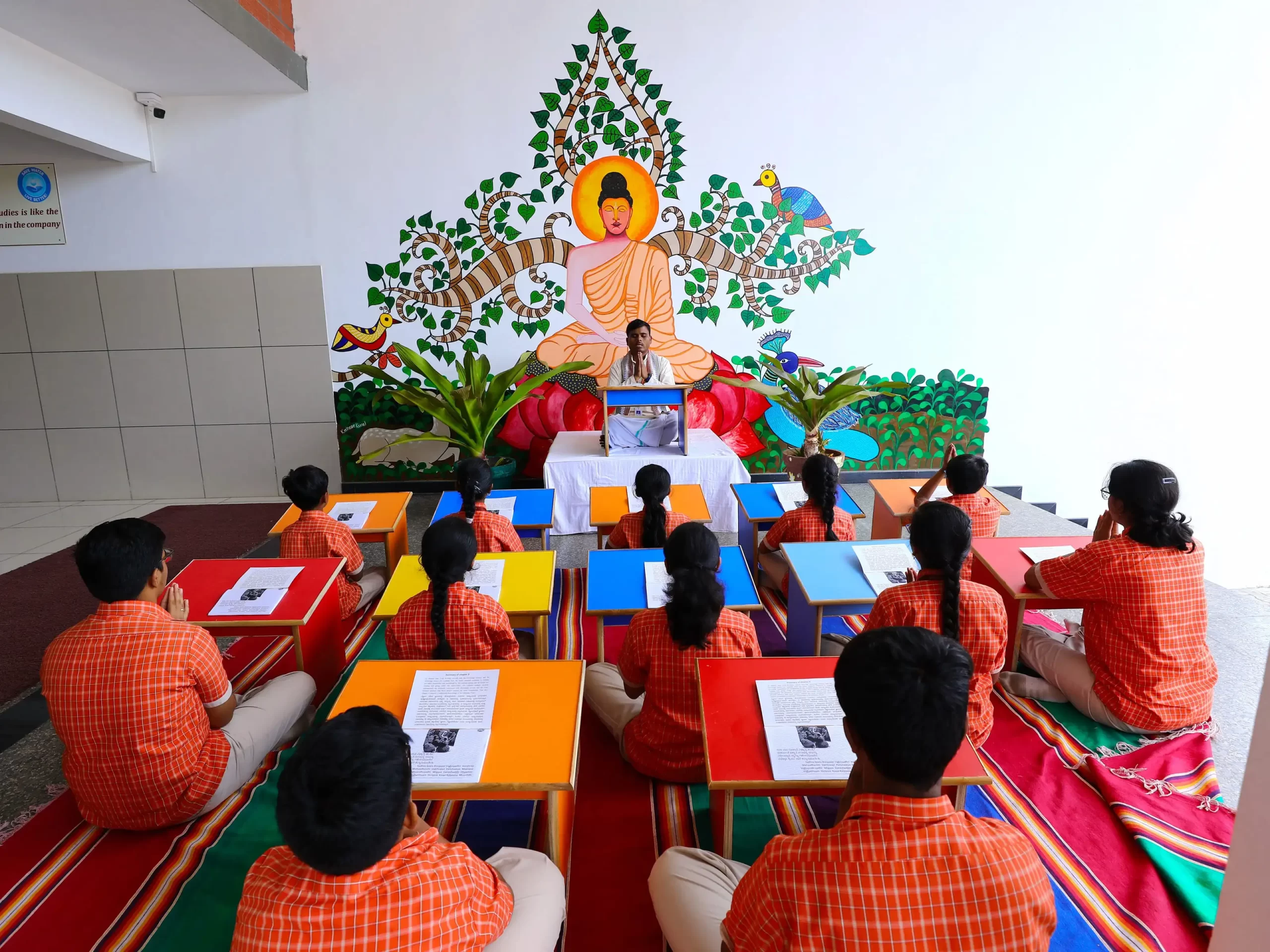
Quiet reflection spaces, value circles, or mindfulness practice strengthen emotional health and self-knowledge. Value-based education becomes an experience instead of a lesson when the physical environment facilitates such practices.
Co-Curricular Facilities To develop life skills
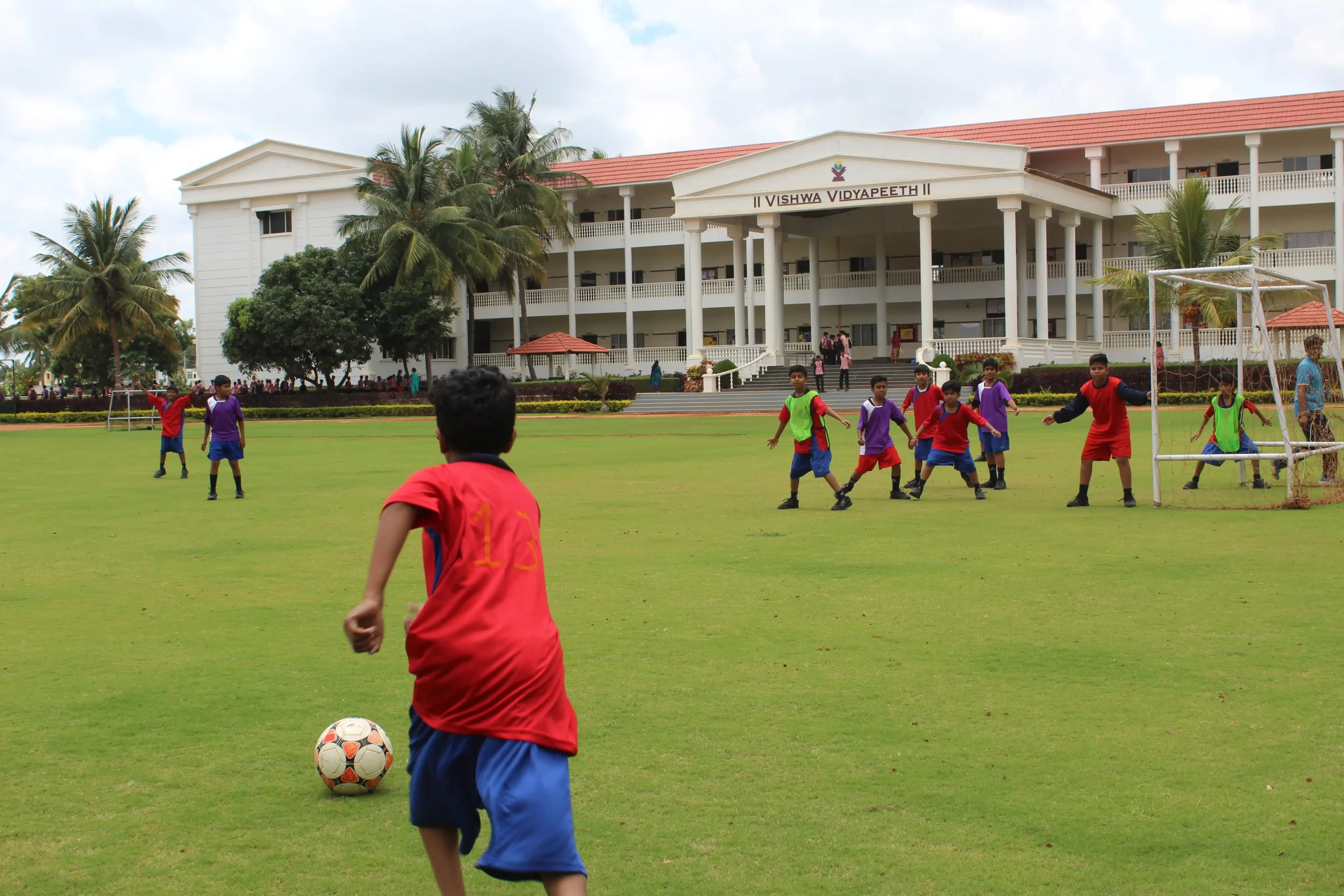
Arts, sports, theatre, robotics, music and oratory facilities are necessary to foster confidence and leadership. Proper sports grounds, indoor courts, art studios, auditoriums, and innovation labs will enable the children to explore their interests and abilities outside academics.
The engagement in clubs, events, and co-curricular programmes can assist students in managing time, collaborating, becoming creative, and building resilience. These experiences educate the children on how to manage success and failure with dignity and how to develop social skills that they may cherish throughout their lives.
Areas that promote Social Responsibility
Schools are significant in creating socially conscious citizens. Students are taught to be responsible when campuses have gardens, composting areas, activity zones, and spaces where the community can engage in activities.
Food drives, environmental campaigns, charity events, service learning programmes etc., are more effective when children can be a part of these things and not merely be told about them. Such experiences create compassion, civic consciousness and better awareness of the world outside the classroom.
The infrastructure that promotes such initiatives transforms values into experiences.
Curriculum-Based Learning Environments
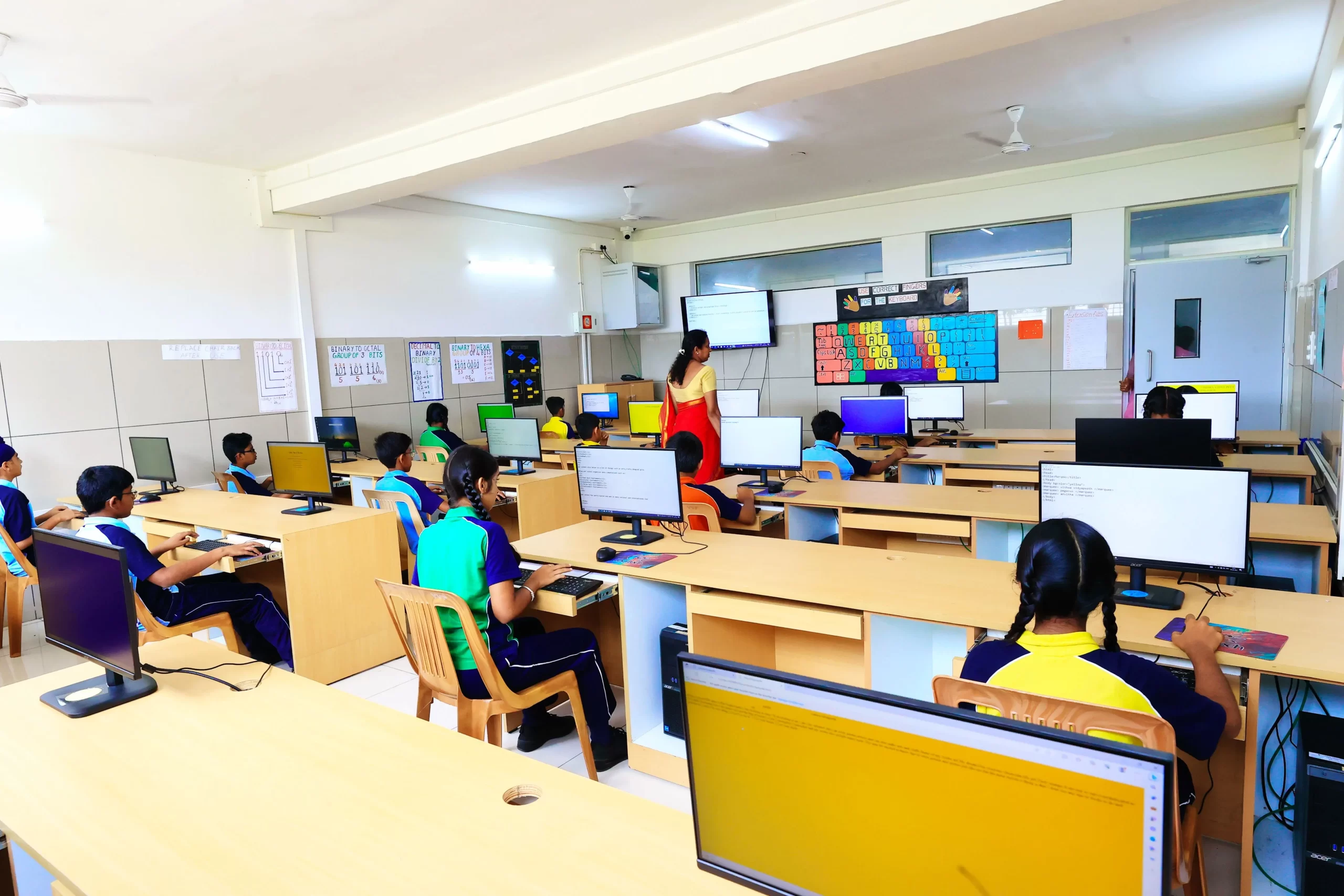
School facilities are effective in integrating curriculum by providing specialised facilities like science laboratories, math corners, language laboratories and life-skills rooms. These settings enable the students to learn critical thinking, simple financial literacy, environmental consciousness, digital etiquette and personal safety skills practically.
Learning is contextual and relevant when students can relate concepts to real life. The infrastructure that facilitates this integration enables children to develop into independent minds that are ready to face future challenges.
Mindfulness and Emotional Well-Being Zones
Academic success is not as important as emotional health. Specialised yoga studios, meditation rooms and reflective spaces enable students to relax, handle stress and develop emotional stability. The facilities assist in mindfulness processes that enable children to gain knowledge of their feelings, build attention, and create internal balance.
This is especially important in an era of continuous digital interaction, where these serene environments can alleviate screen fatigue and improve mental health.
Thoughtful Infrastructure for Early Years
To young learners, infrastructure should be accommodating, secure, and challenging. The early childhood development requires colourful classrooms, sensory play areas, outdoor play areas, and storytelling corners. Such factors as play, learning, and emotional security are the elements that parents of Preprimary schools in Bangalore seek in the environment.
These spaces foster the children to develop the basics of life, social self-esteem and curiosity but restrict excessive screen time over a vital developmental period.
A Holistic Vision in Practice
Infrastructure is strategically matched with an integrated vision of education at places of learning such as Vishwa Vidyapeeth School. Learning spaces are intended to assist experiential learning frameworks like Gnanavatika, where children consider ideas by observing, interacting, and applying these ideas practically. Starting with well-furnished classrooms to the open learning areas, all facilities serve to raise independent and value-based learners.
Vishwa Vidyapeeth School, with its incorporation of academics, life skills, mindfulness, and social responsibility, in a safe physical environment, represents how the proper infrastructure can indeed matter in the task of making a whole person.
Conclusion
School infrastructure is not simply buildings and facilities, but rather a dynamic collaborator in the learning process of a child. It can promote experiential learning, minimize screen time, cultivate emotional health, and develop valuable life skills when created with intentionality. Values, leadership, creativity and community engagement facilities equip students not only to pass exams, but also to live.
Selecting a school with careful infrastructure is then the selection of a place where children will feel safe, inspired and empowered to develop into competent, caring, and confident individuals.