The VVP Advantage
The VVP Advantage
Gnanavatika
Back to Gurukula
Rediscover Learning. Rediscover Yourself.
This programme is offered at Vishwa Vidyapeeth ICSE (Yelahanka) and CBSE (Varthur). The six-year journey of experiential learning, life skills, values and self-discovery for students of Grades 7 to 12 brings the timeless spirit of India’s Gurukula tradition into a contemporary learning environment.
It is a thoughtfully planned, supervised and assessed programme where students learn by doing, reflect on their experiences and develop the skills and values needed to lead purposeful, responsible and fulfilling lives.
A Six-Year Journey Beyond the Classroom
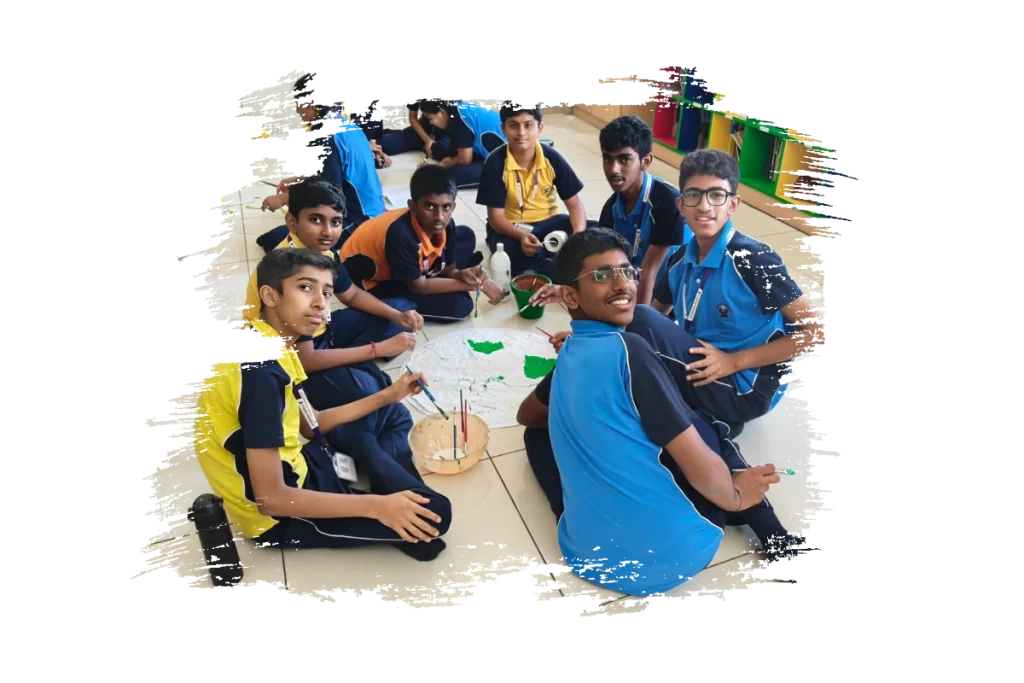
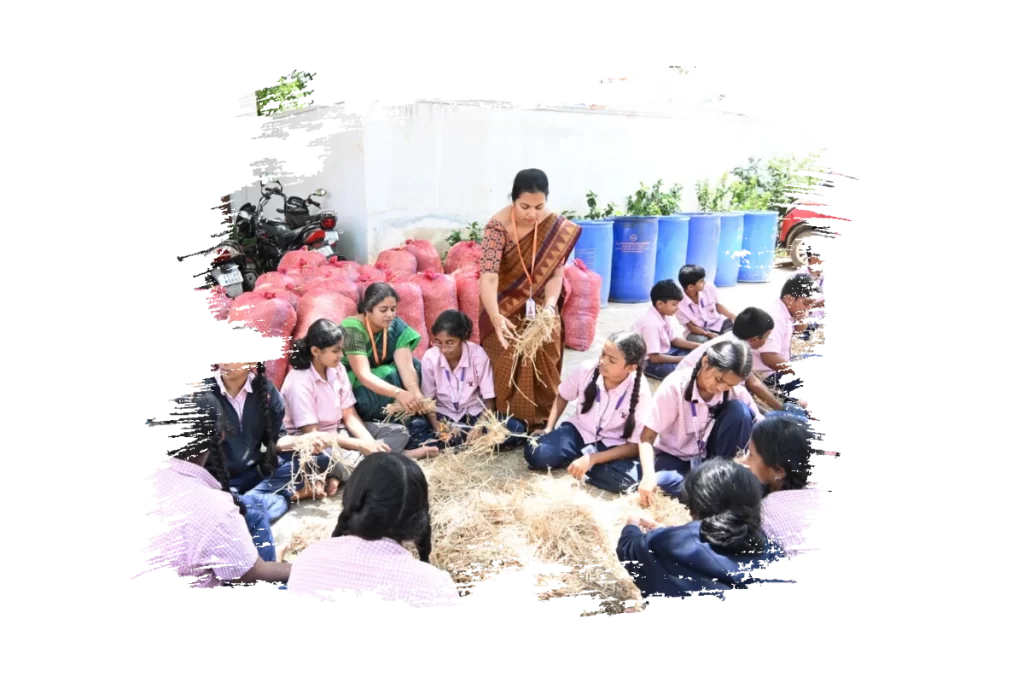
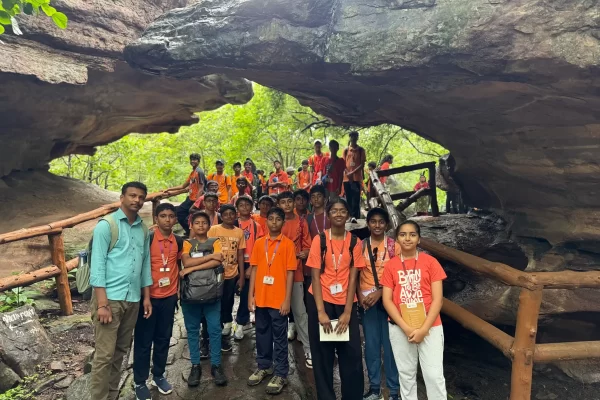
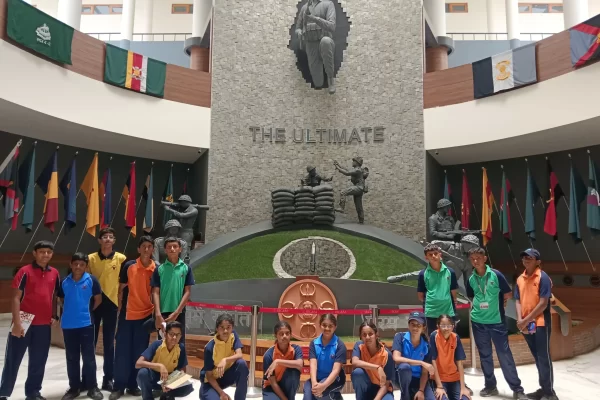
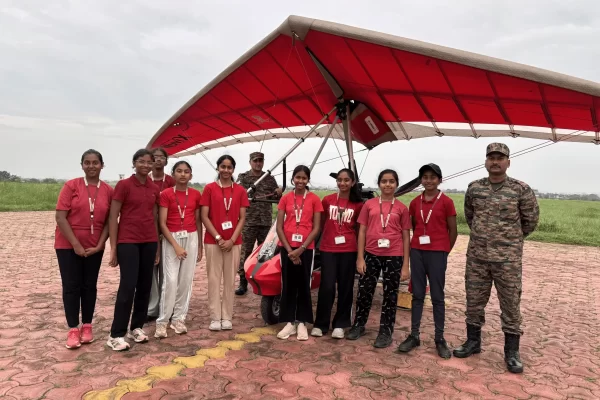
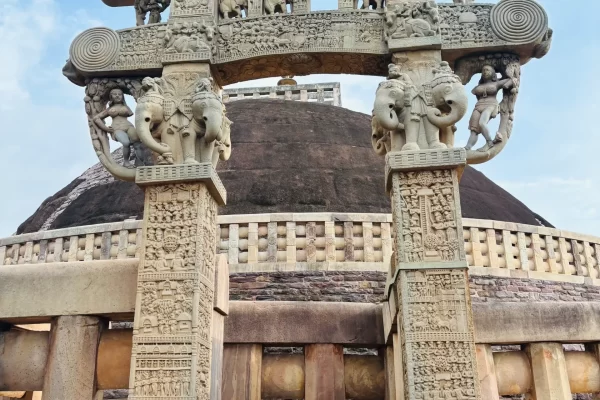
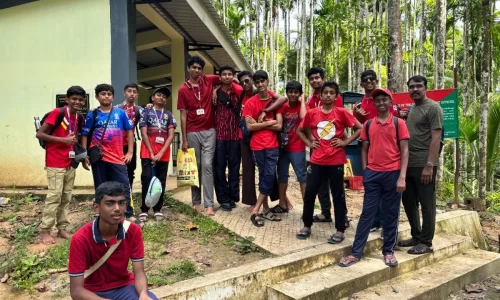
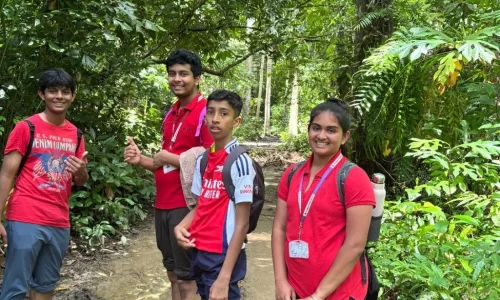
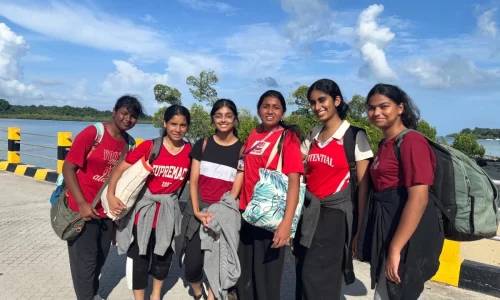
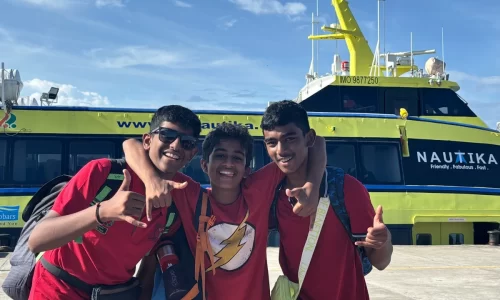
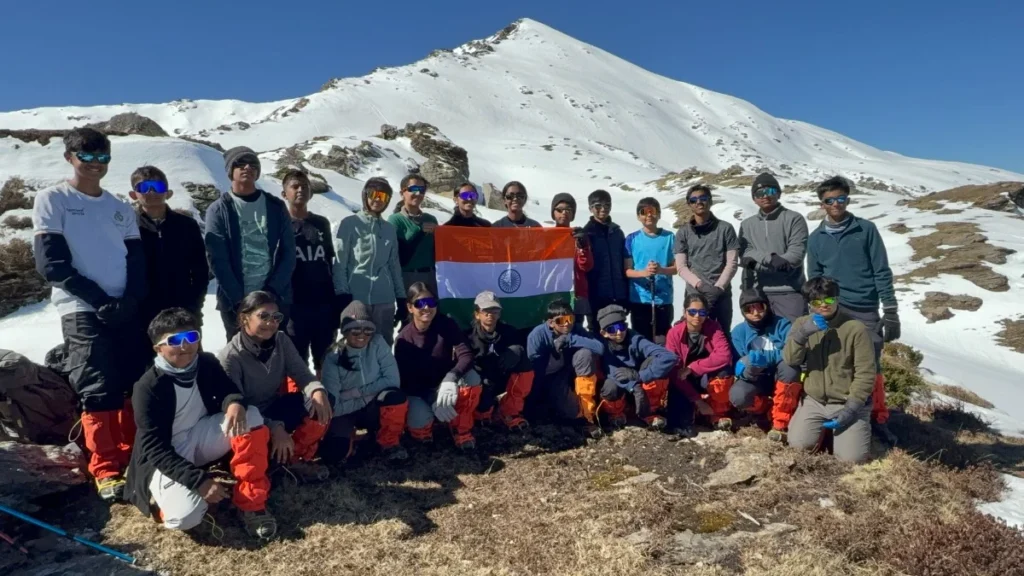
Gnanavatika integrates academics, Indian heritage, practical skills, wellness, community engagement and real-world experiences into a progressive six-year journey. Students step beyond familiar surroundings to explore India, engage with diverse communities, experience different environments and apply classroom learning to real-life situations.
The journey nurtures students to become:
Self-Dependent
Self-Directed
Self-Disciplined
Responsible
Resilient
Experiential Yatra – India as a Classroom
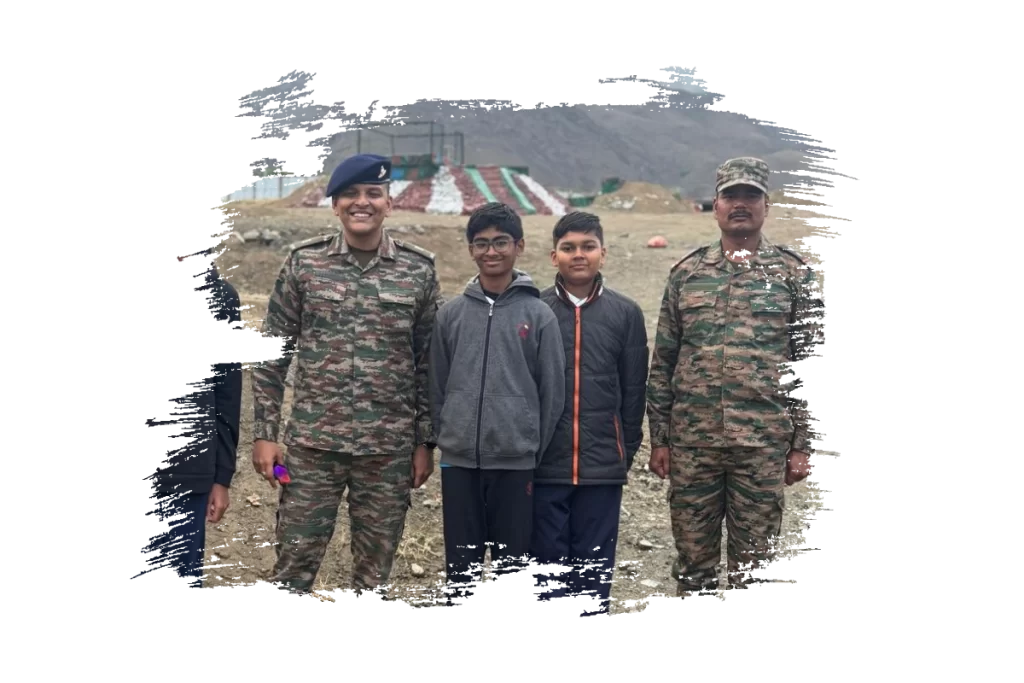
Through carefully designed Experiential Yatras, students learn from India’s diverse landscapes, cultures, traditions and communities. They:
- Connect classroom learning with real-world experiences
- Explore India’s heritage, ecology and cultural diversity
- Develop adaptability, confidence and independence
- Build meaningful relationships with people, nature and society
- Learn to observe, question, participate and reflect
Every journey becomes an opportunity to learn, grow and discover.
Learning Skills. Living Values.
Gnanavatika transforms everyday experiences into meaningful learning.
Life Skills & Self-Reliance
Dignity of Labour
Patriotism & Service
Mind & Body Wellness
Sustainability & Nature
Values & Character
From Experience to Transformation
Rooted in India's wisdom. Equipped for a changing world.
Experiential Tours
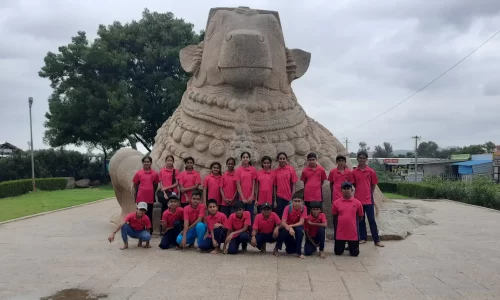
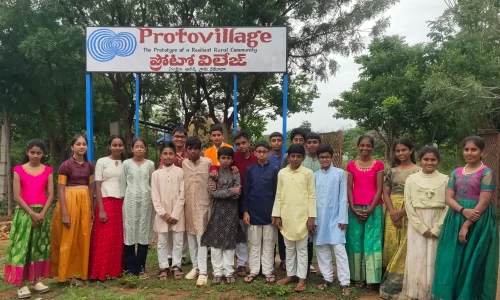
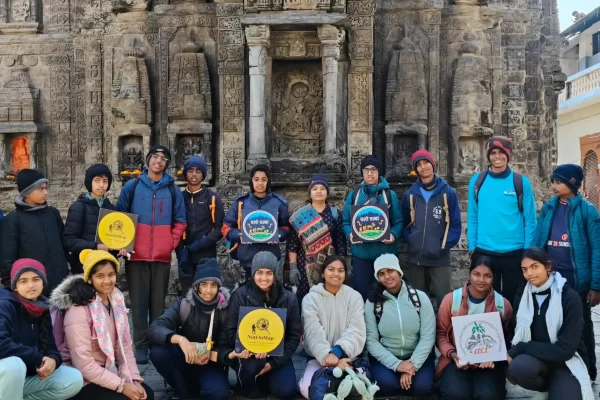
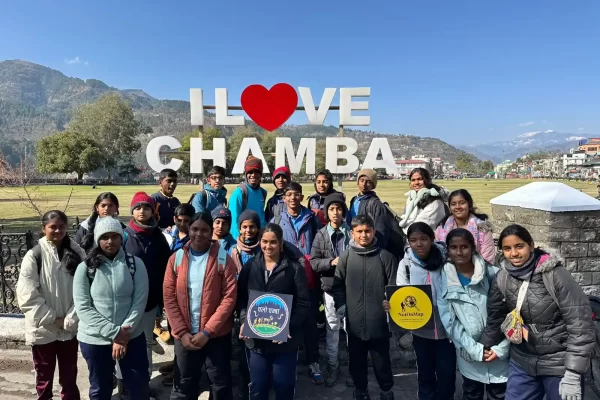
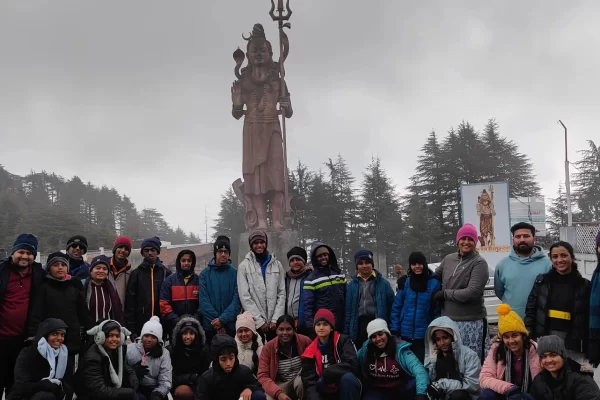
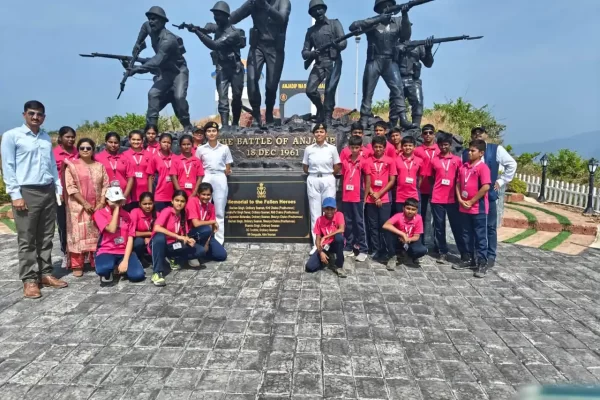
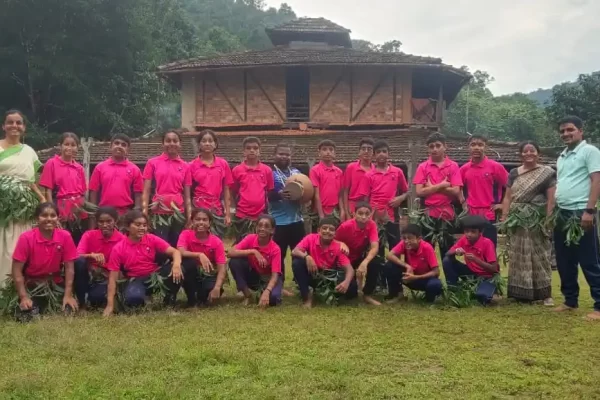
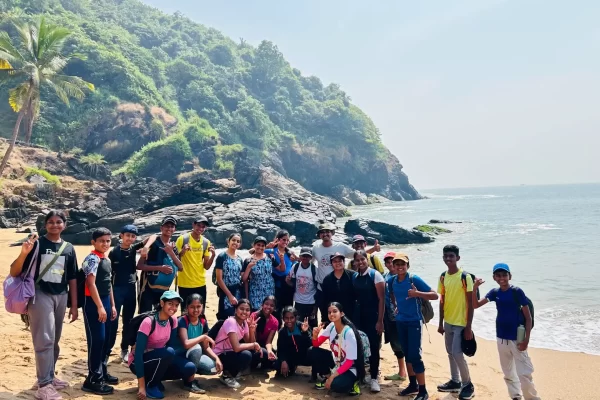
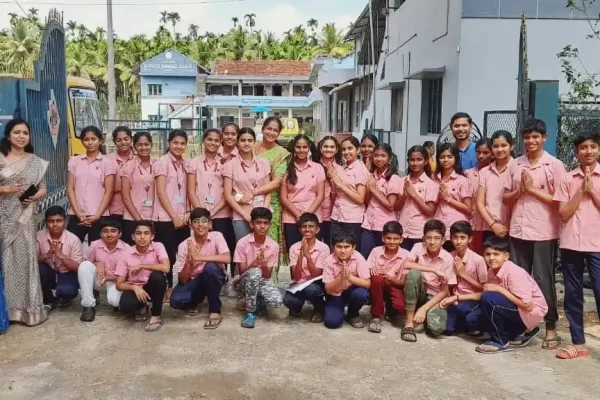
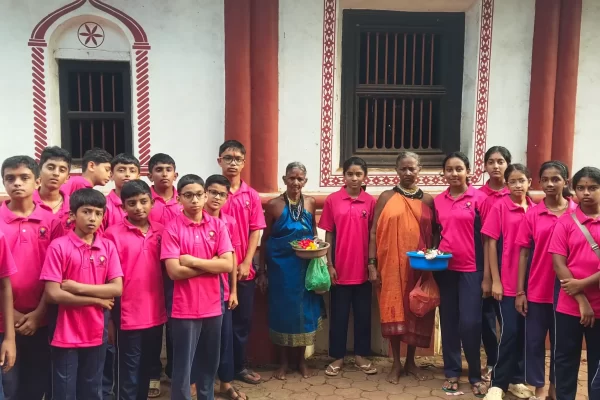
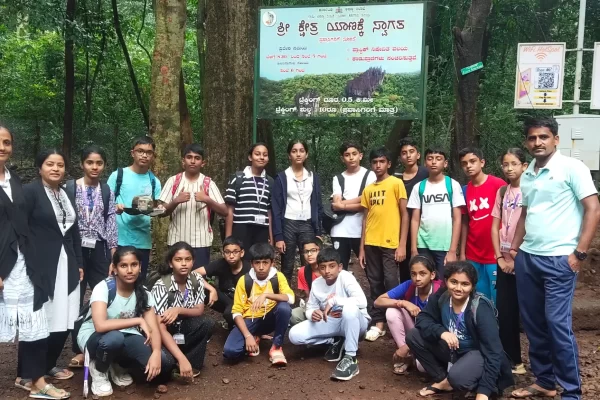
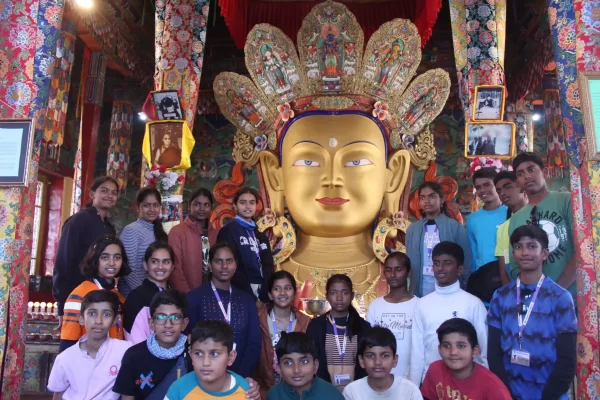
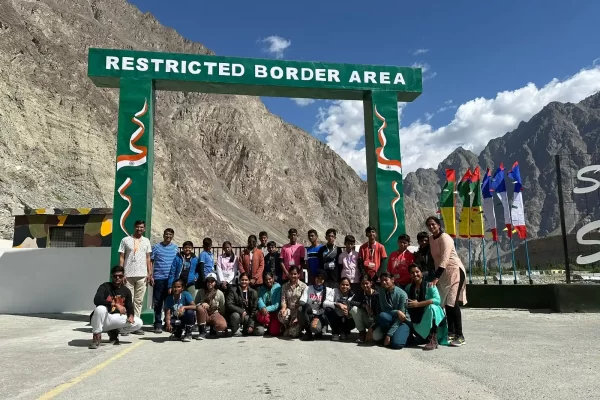
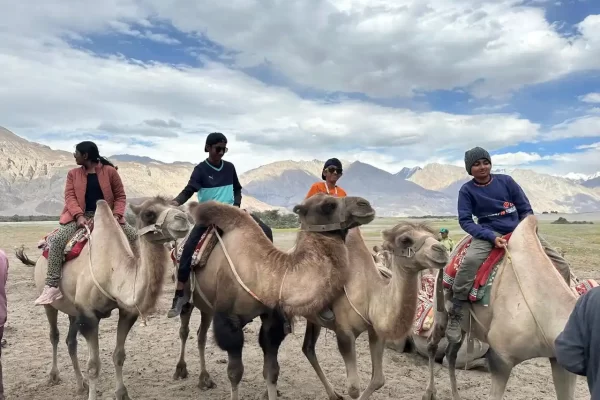
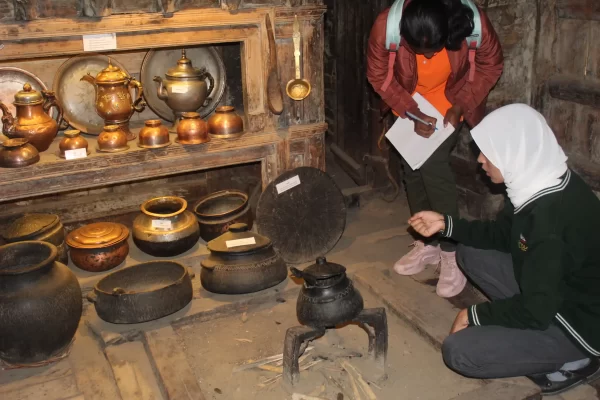
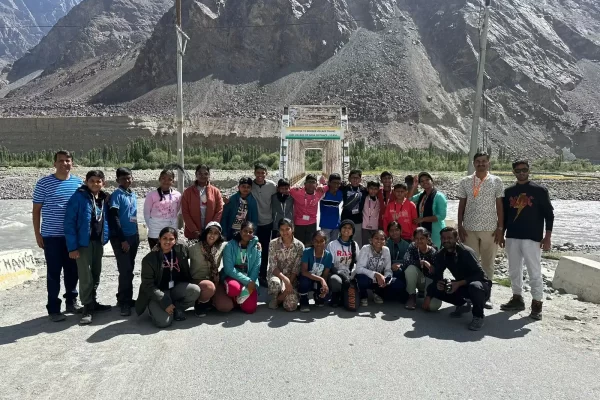
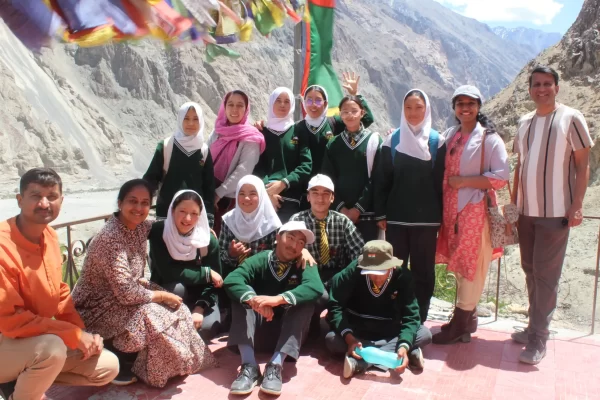

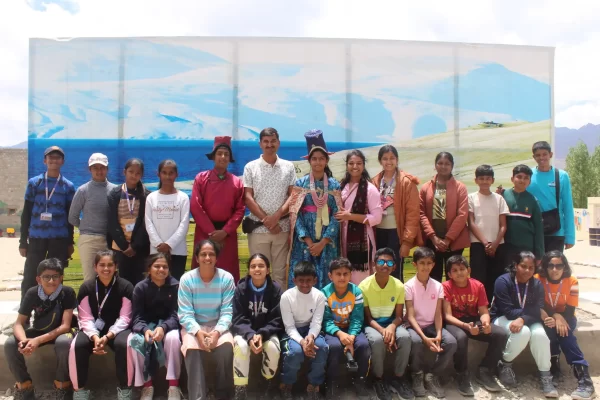
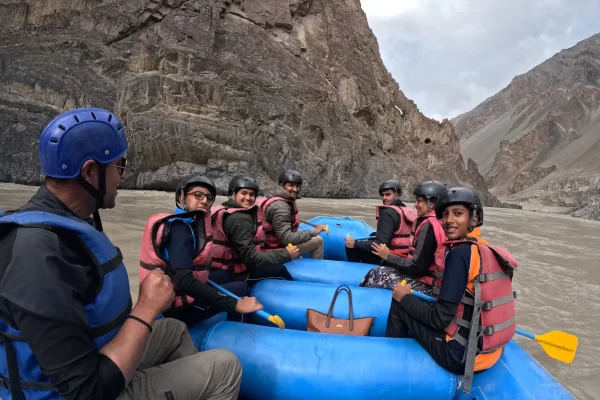
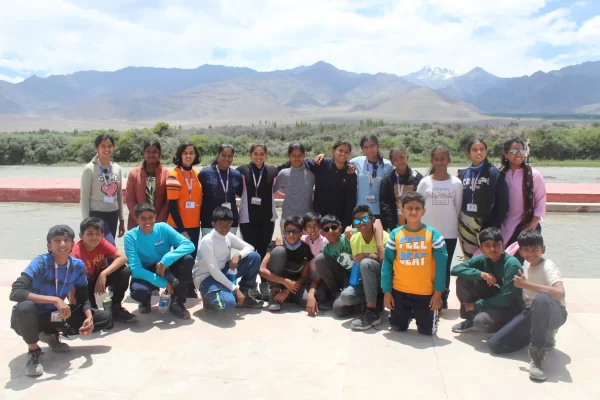
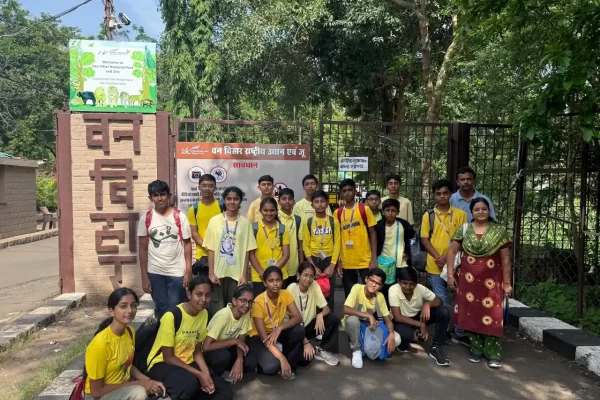
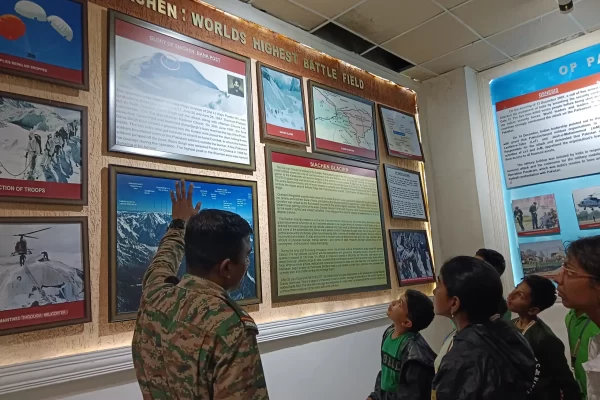
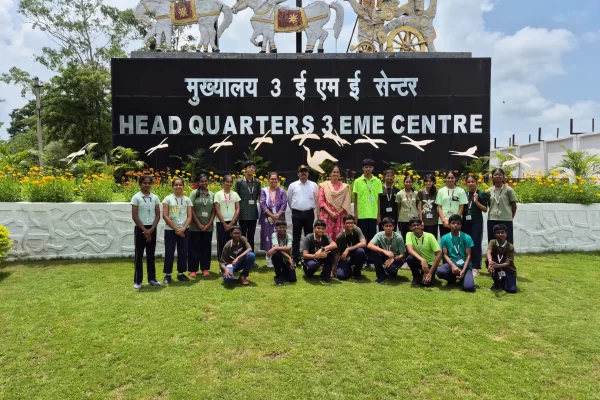
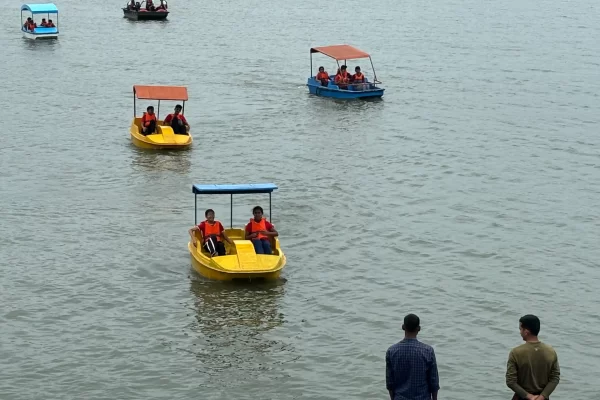
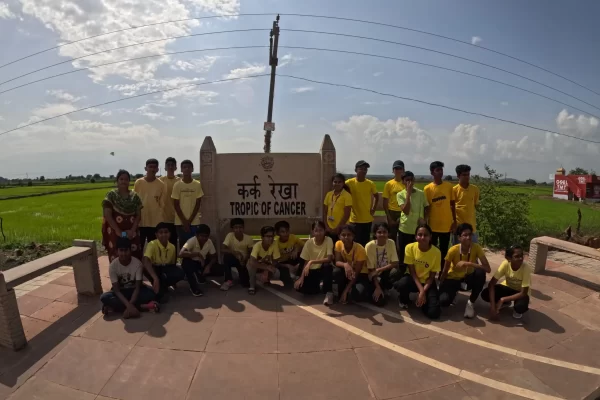
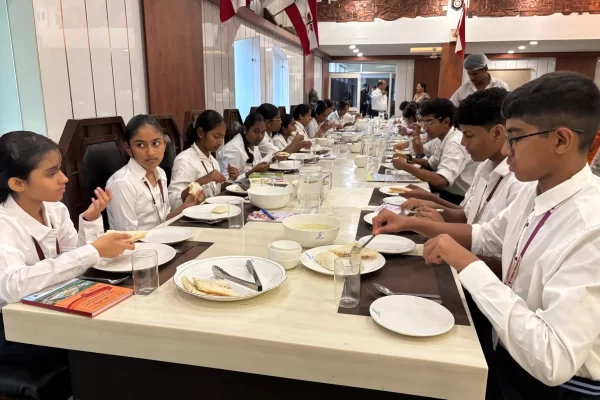
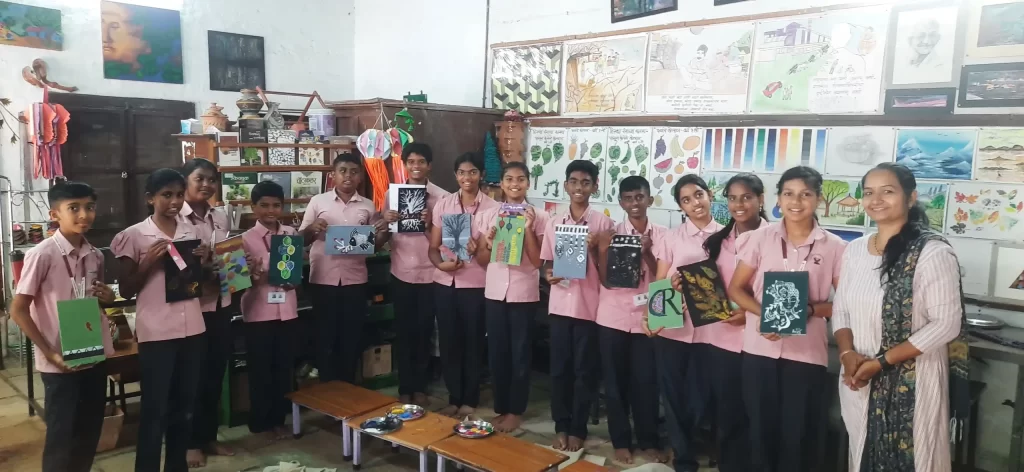
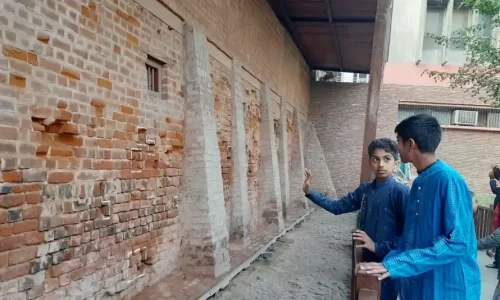
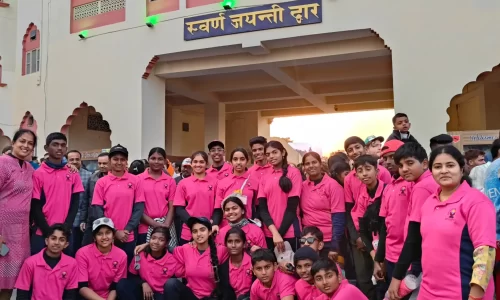
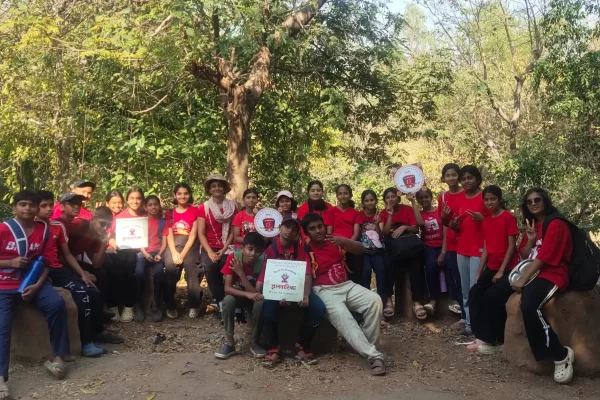
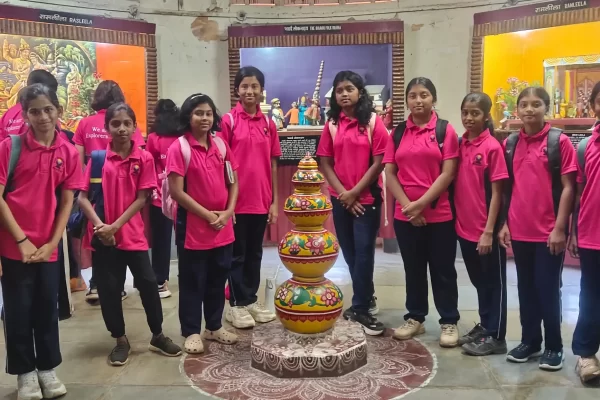
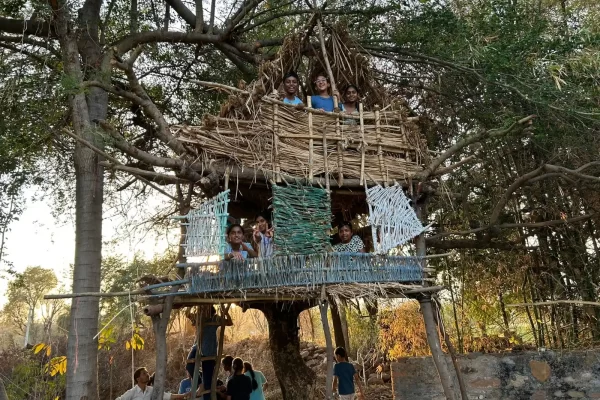
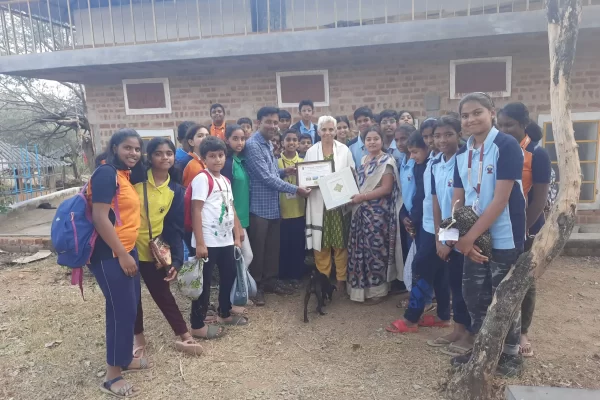
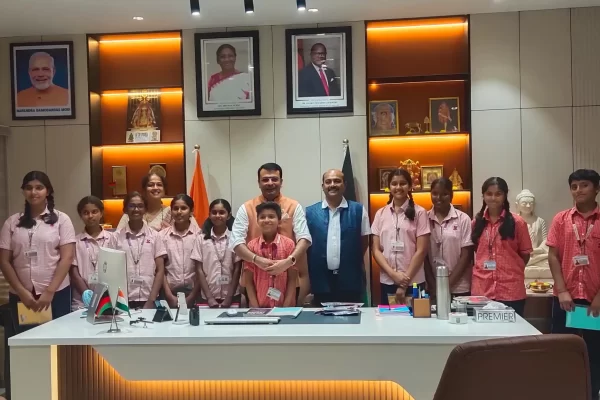
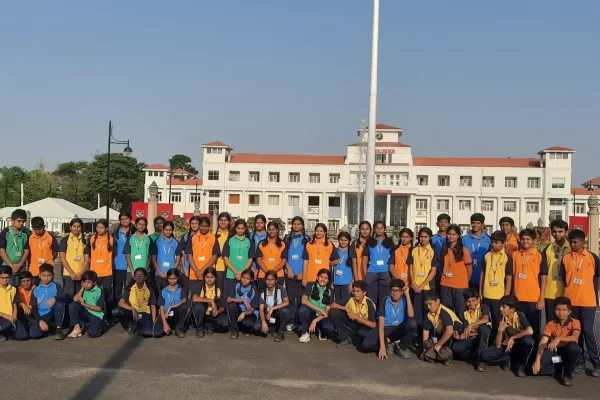
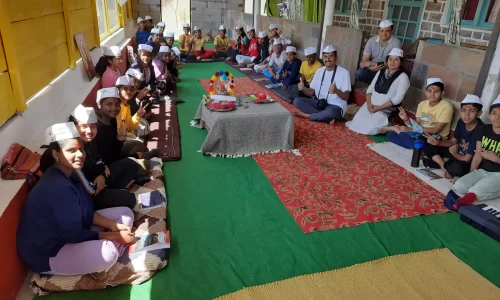
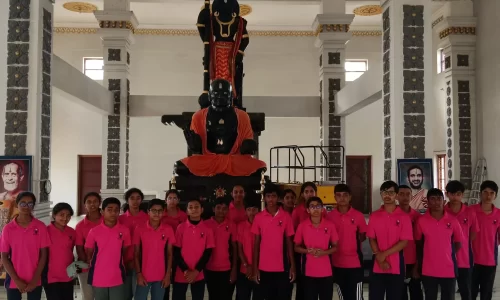
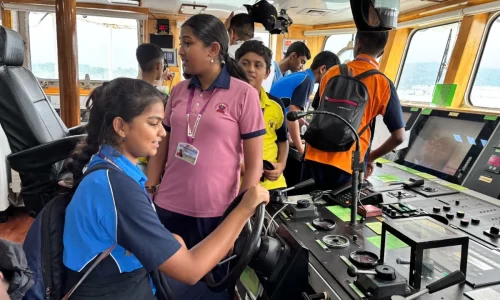
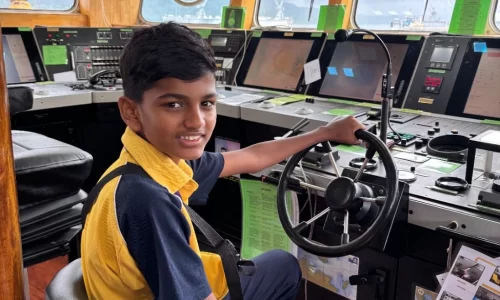
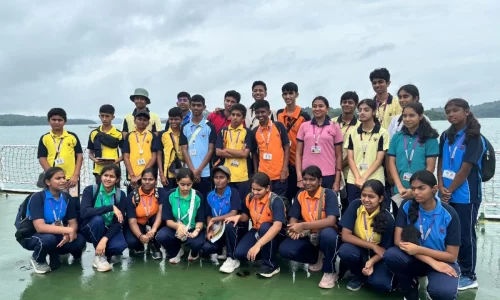
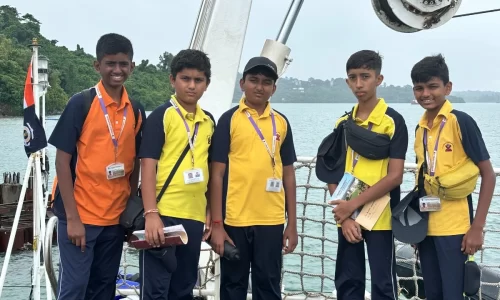
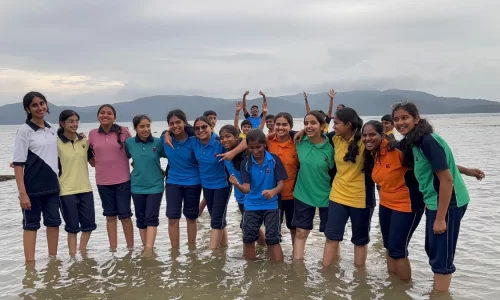
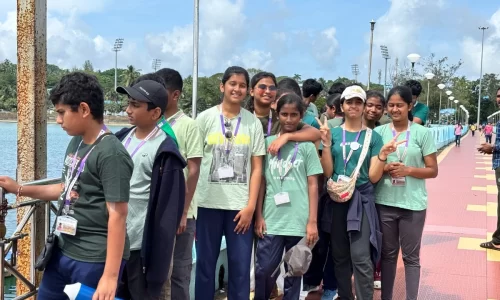
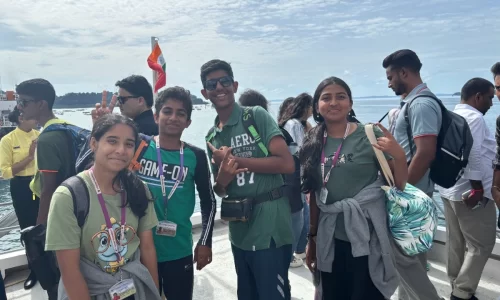
Gnanavatika - Back to Gurukula. Forward to the Future.
Krishi Vatika
From Soil to Knowledge
A hands-on agricultural learning experience where students live, work and learn on a farm.
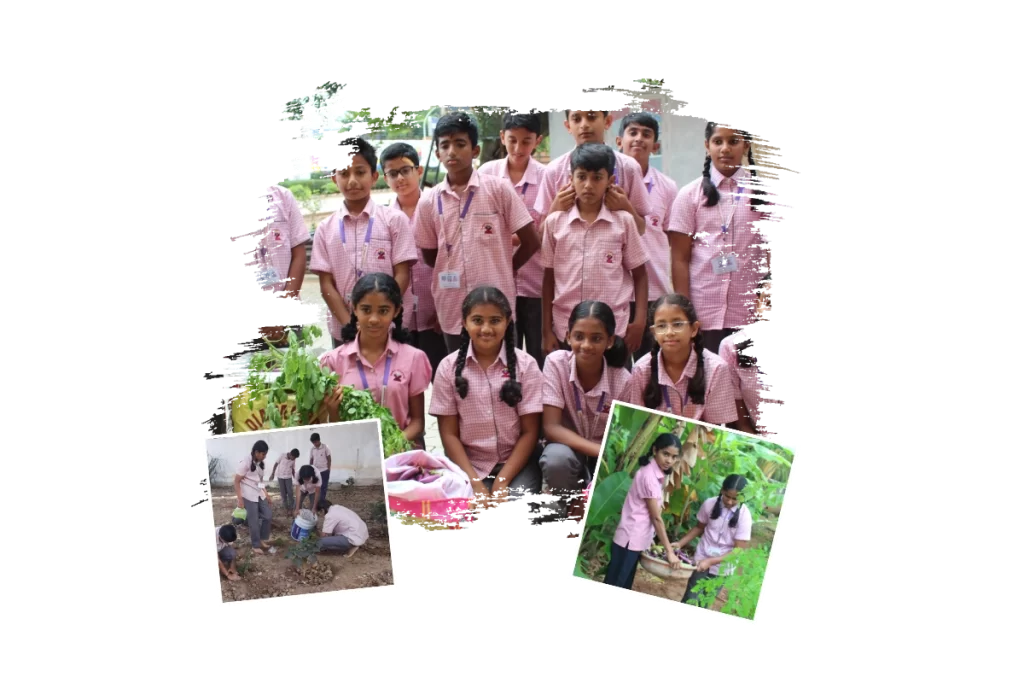
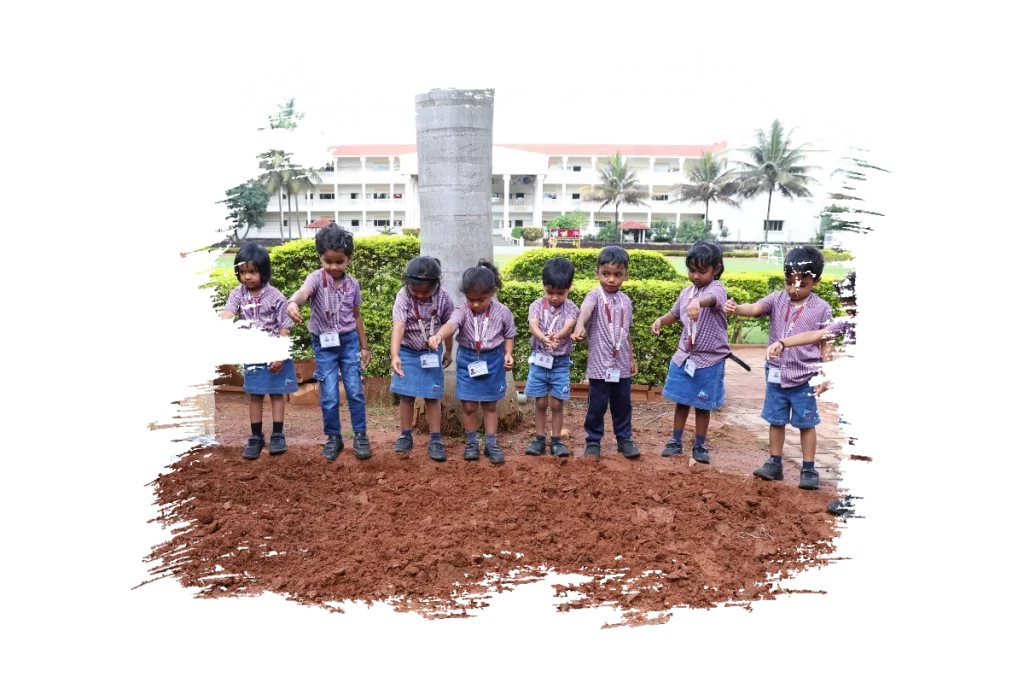
At Vishwa Vidyapeeth, Krishi Vatika takes learning beyond the classroom and into the fields. The school has developed an agricultural learning space where students spend time on a working farm, experience rural life and engage directly with the processes of cultivation.
Here, agriculture becomes a living classroom—helping students understand soil, seeds, water, food, sustainability and the people behind what we eat.
Learning from the Land
Krishi Vatika gives students the opportunity to experience the complete agricultural cycle—from preparing the soil and sowing seeds to nurturing crops and understanding harvesting.
Students learn through direct participation in:
- Soil preparation and cultivation
- Seed selection and sowing
- Crop care and irrigation
- Composting and natural farming practices
- Harvesting and post-harvest processes
- Understanding local crops and biodiversity
- Sustainable use of natural resources
The farm becomes the classroom, and the experience becomes the lesson.
Living the Agricultural Experience
Krishi Vatika goes beyond farming activities. By spending time on the agricultural land, students experience the rhythms and responsibilities of rural life.
They learn self-reliance, teamwork, patience, discipline and dignity of labour, while developing a deeper appreciation for farmers, food systems and the natural world.
The experience also connects classroom learning with Science, Mathematics, Geography, Environmental Studies and sustainability, making academic concepts tangible and relevant.
Growing More Than Crops
Krishi Vatika nurtures an understanding that food does not begin at the supermarket—it begins with soil, water, sunlight and human effort.
Through this experience, students develop:
Environmental Awareness
Practical skills
Self-Reliance
Teamwork
Scientific Thinking
Sustainability
Respect for farmers
Krishi Vatika - Where students don't just learn about agriculture, they learn by living it.
Navomesh
Imagine. Innovate. Create
A future-focused programme that transforms curiosity into ideas, ideas into solutions and students into confident problem-solvers.
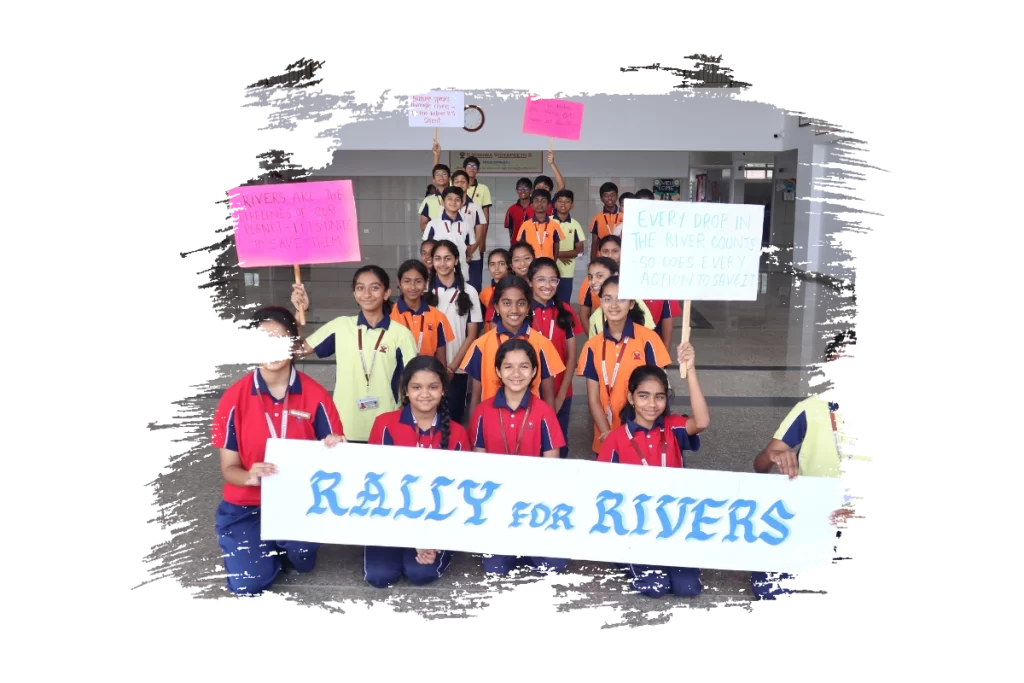
At Vishwa Vidyapeeth, Navonmesh nurtures an innovation mindset by giving students opportunities to explore emerging technologies, experiment with ideas and solve real-world challenges.
Through hands-on experiences in robotics, automation, biotechnology, agriculture technology, digital learning, sustainable energy, space exploration and design thinking, students learn to look beyond conventional solutions and create with purpose.
Learning Through Innovation
Navonmesh moves students from simply understanding how things work to questioning, experimenting, designing and building.
Students engage in experiences such as:
- Robotics & Automation – exploring perception, decision-making, assembly and action
- Agriculture Technology – discovering organic farming, hydroponics and greenhouse management
- Biotechnology – conducting experiments and exploring genetics, DNA and modern laboratory techniques
- Sustainable & Renewable Energy – understanding green technologies and sustainable solutions
- Digital Education & Learning Design – creating digital presentations, multimedia content and collaborative learning experiences
- Space & Astronomy – exploring rockets, satellites, telescopes, planetariums and the possibilities of space technology
- Design Thinking – identifying real problems, developing ideas and creating user-focused solutions
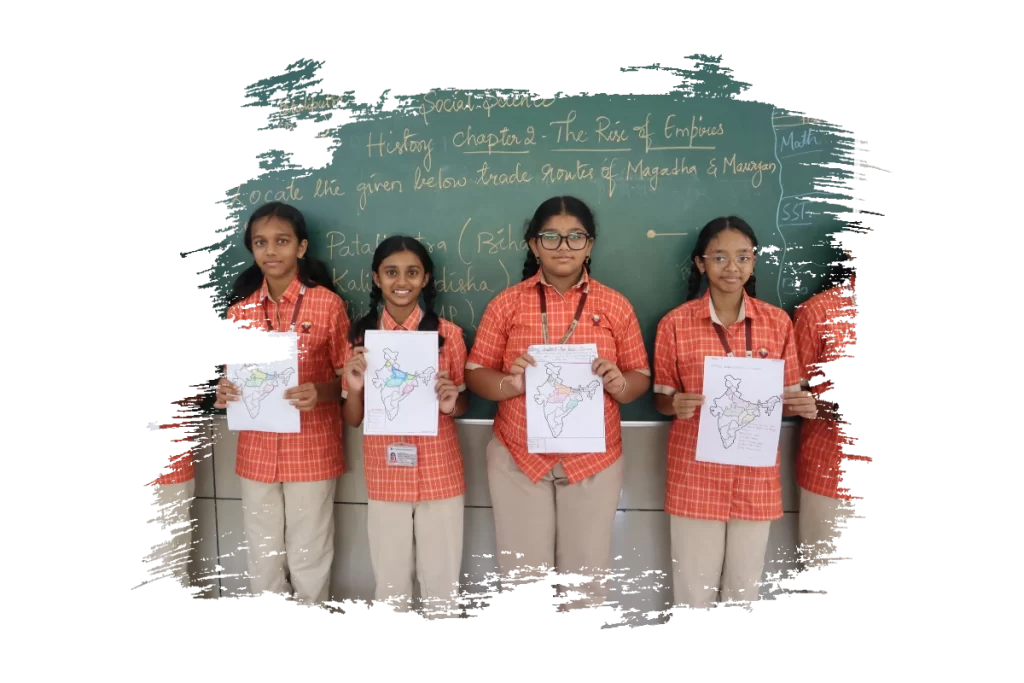
They learn that innovation is not only about technology—it is about seeing possibilities, understanding people and creating solutions that make a difference.
From Ideas to Impact
Through collaborative projects, workshops and hands-on experiences, students develop:
Creative Thinking
Problem-Solving
Innovation
Collaboration
Communication
Digital Literacy
Leadership
Building the Innovator Within
Navonmesh prepares students for a future where adaptability and innovation are essential.
By combining technology with human skills, students develop the confidence to ask questions, take initiative, work in teams, communicate ideas and transform challenges into opportunities.
Navonmesh - Where curiosity becomes innovation, and innovation creates possibilities.
Dasha Prabodha
Ten Skills. One Confident, Capable Individual.
A unique skill-building initiative that empowers children with essential life skills from an early age.
At Vishwa Vidyapeeth, Dasha Prabodha – Learn 10 Skills by the Age of 10 is designed to bridge the gap between knowing and doing. It gives children opportunities to develop practical skills, confidence, responsibility and self-reliance through meaningful, hands-on experiences.
The programme brings together Indian knowledge, practical life skills, creativity, communication, physical well-being and self-expression, helping children become capable and confident individuals.
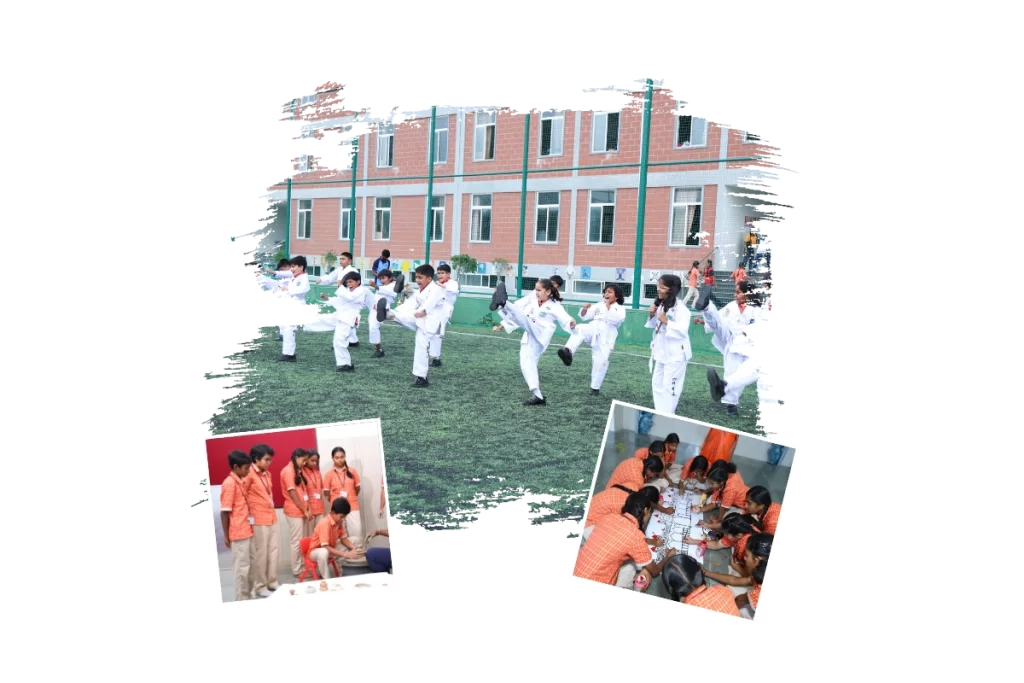
Learning Skills for Life
Dasha Prabodha introduces children to ten essential skills that support their holistic development:
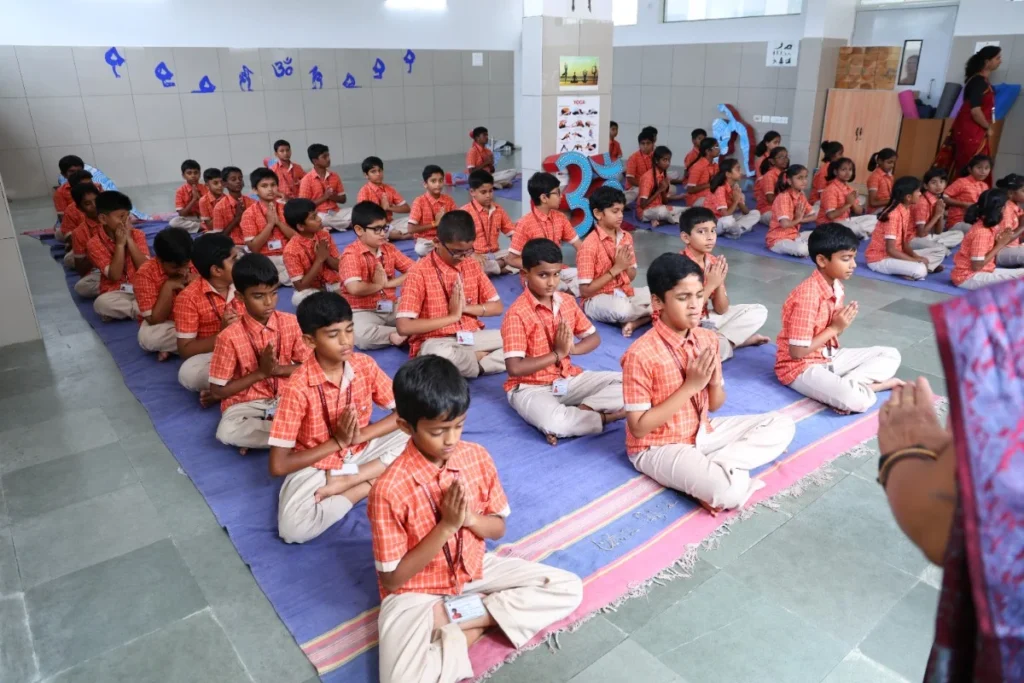
Bhagavad Gita, Vedas & Upanishads
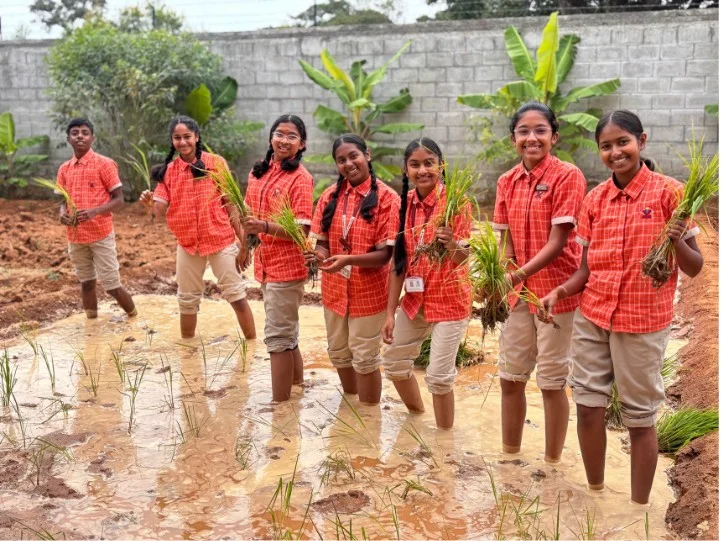
Organic Farming
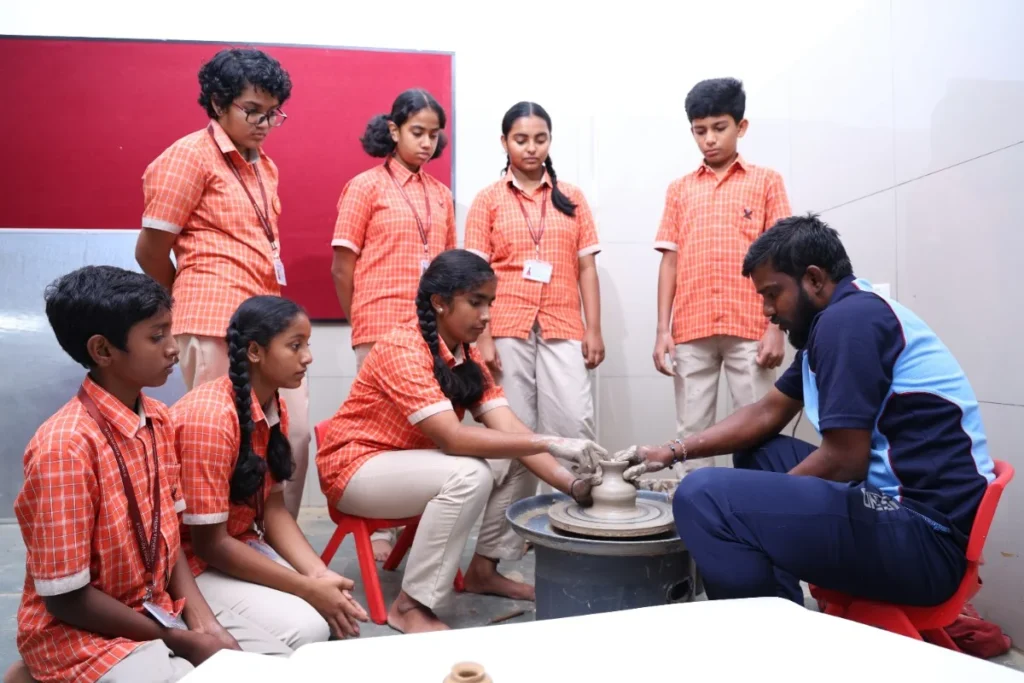
Clay Modelling
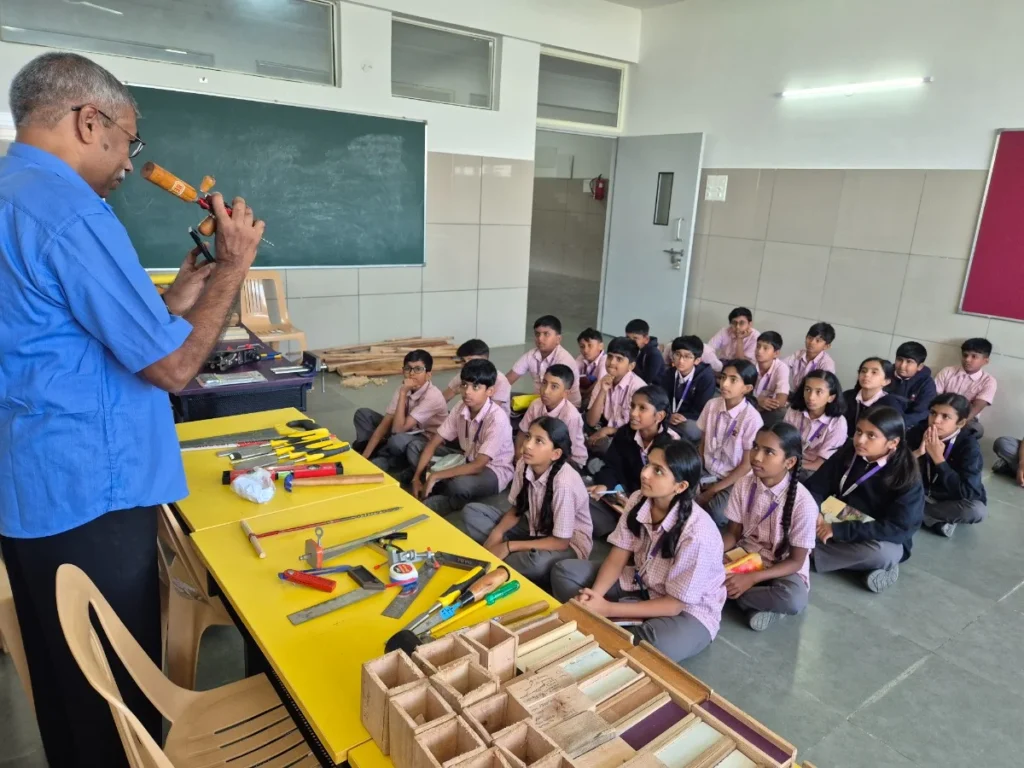
Woodwork
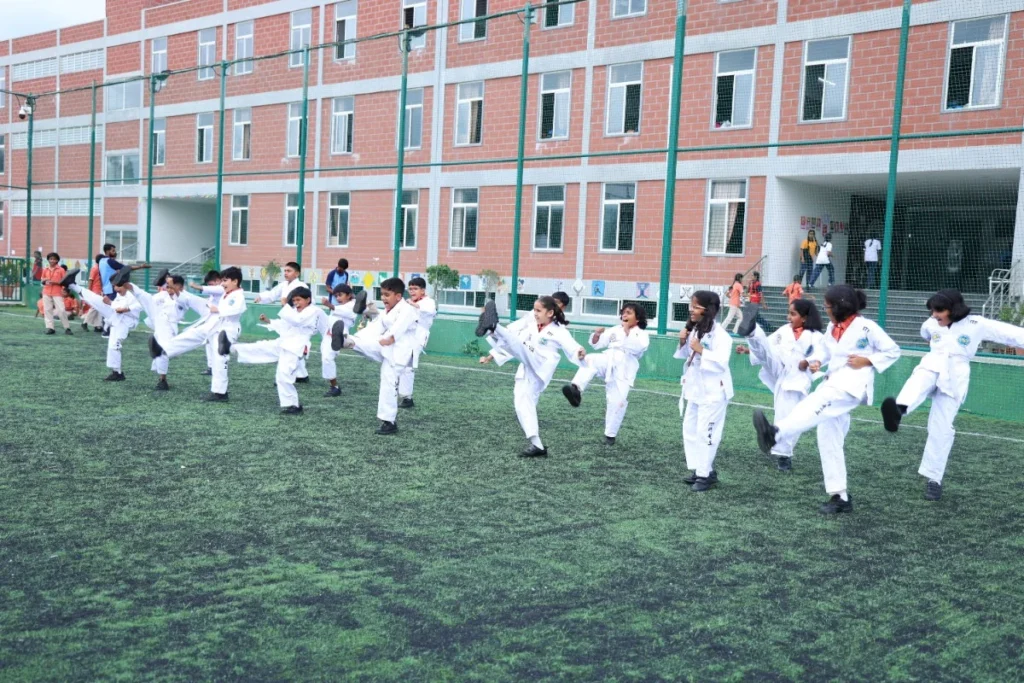
Taekwondo
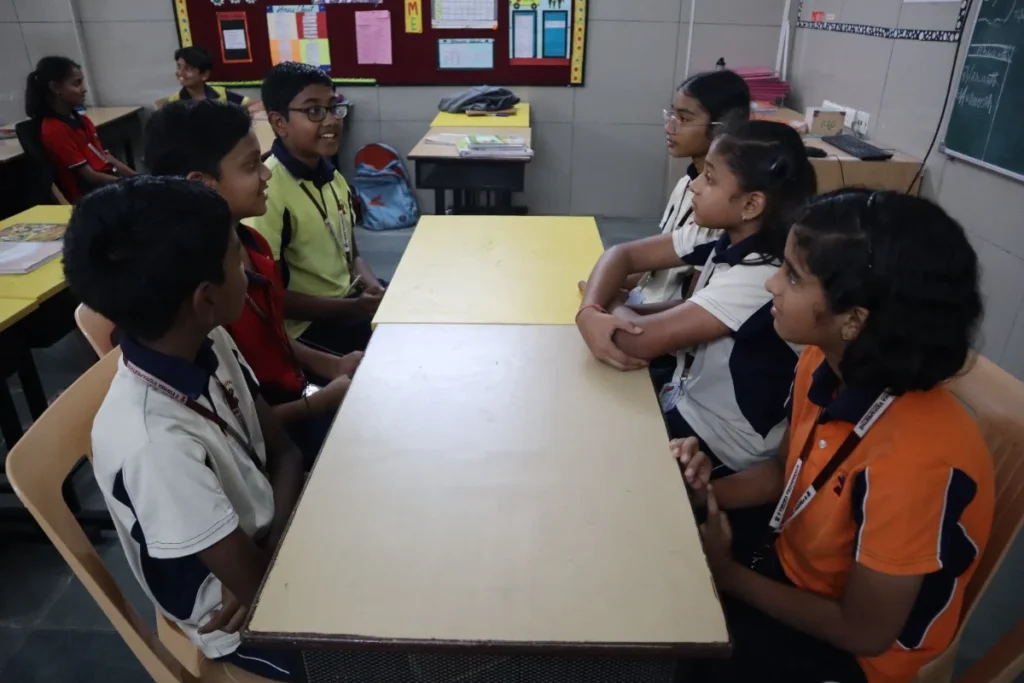
Public Speaking
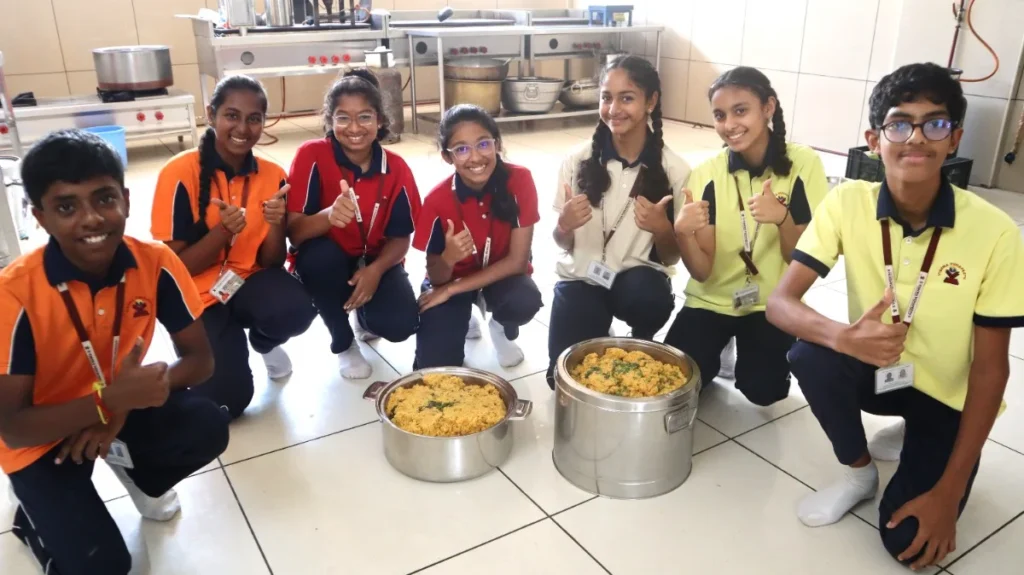
Cooking
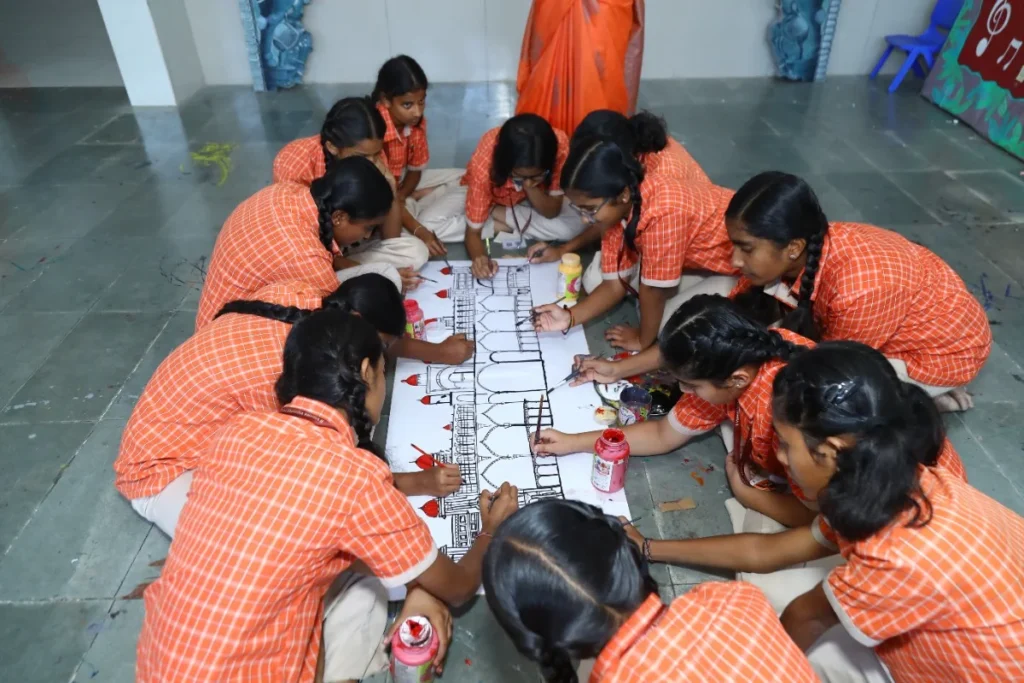
Art
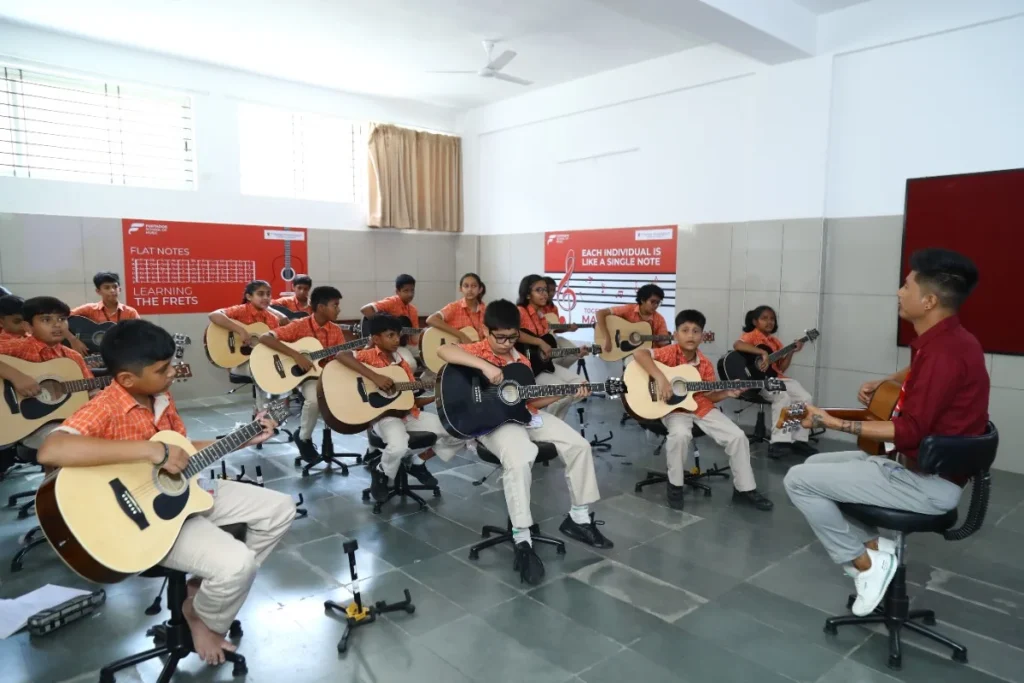
Music
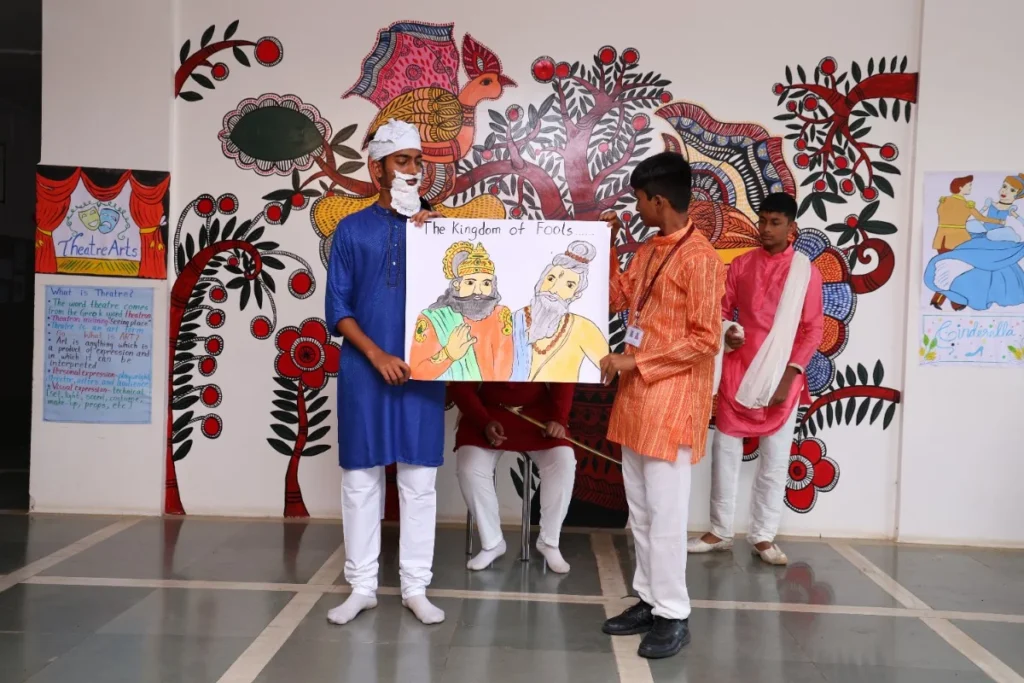
Theatre
Bhagavad Gita, Vedas & Upanishads
Organic Farming
Clay Modelling
Woodwork
Taekwondo
Public Speaking
Cooking
Art
Music
Theatre
Each experience develops a different dimension of the child—from inner awareness and cultural rootedness to creativity, physical confidence, communication and practical independence.
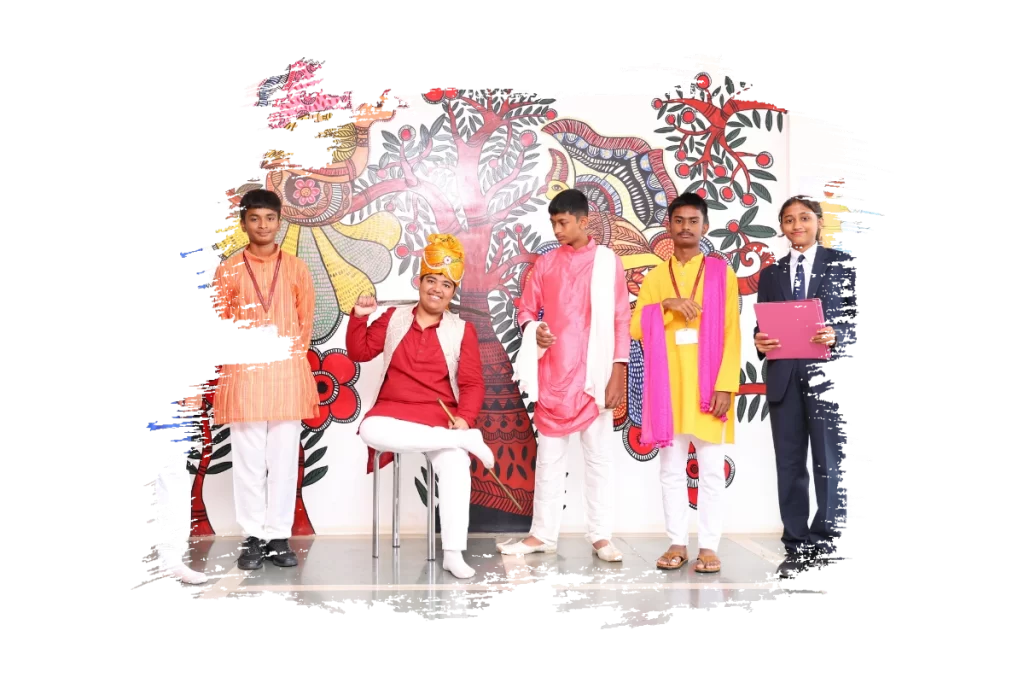
From Learning to Doing
Dasha Prabodha encourages children to create, practise, express and take responsibility.
Through these experiences, students learn to:
- Communicate with confidence
- Work collaboratively and respect others
- Develop creativity and self-expression
- Become more independent and responsible
- Build discipline, perseverance and self-confidence
- Appreciate Indian culture and traditional knowledge
- Develop practical skills for everyday life
Building the Individual
Whether shaping clay, growing food, creating with wood, preparing a meal, stepping onto a stage or practising self-defence, children learn through participation.
These experiences help them understand the value of effort, patience, discipline, teamwork, responsibility and dignity of work.
Dasha Prabodha therefore focuses not simply on what a child knows, but on what the child can do, how the child thinks and who the child becomes.
Dasha Prabodha - Learn. Practice. Grow. Become.
Neural Education
Understand the Brain. Unlock Potential.
First School in India to include Neural Science in teaching learning process
A pioneering approach to teaching and learning that aligns education with the way the brain learns, develops and adapts.
At Vishwa Vidyapeeth, Neural Education places the child at the heart of the learning process. Recognising that every child’s brain develops uniquely, the approach seeks to understand how students think, feel, absorb and apply knowledge and uses this understanding to create more meaningful and engaging learning experiences.
Vishwa Vidyapeeth implemented Neural Education as a pattern of teaching and learning from AY 2022–23, with a focus on creating a positive, happy and conducive environment for learning.
Learning the Way the Brain Learns
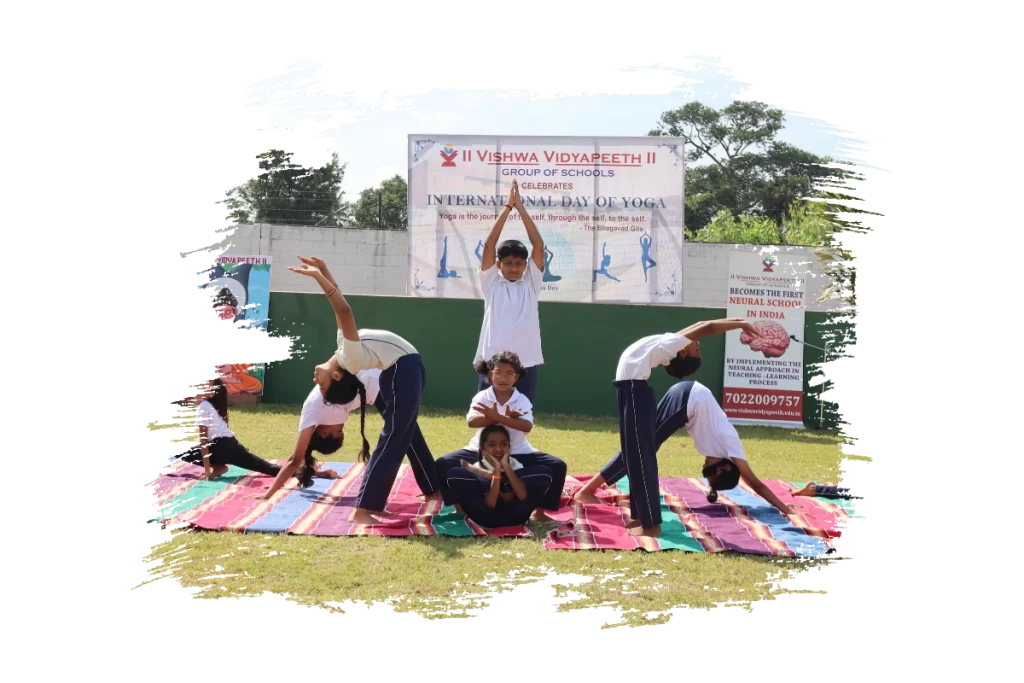
Neural Education draws from an understanding of neuroscience and neuroplasticity—the brain’s ability to adapt and form new neural connections through experience.
By understanding these principles, educators create learning experiences that encourage self-directed learning, curiosity, reflection, exploration and stronger connections with prior knowledge.
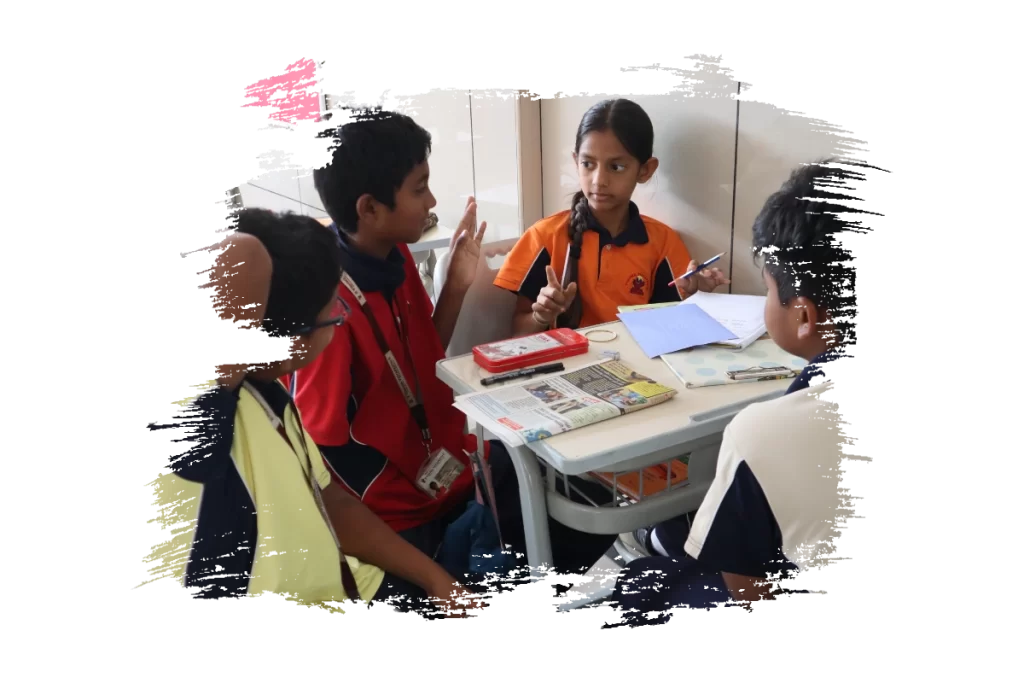
The classroom moves beyond simply delivering information. The teacher becomes a facilitator, while students are encouraged to question, experiment, make connections and construct their own understanding.
From Rote Learning to Meaningful Learning
Neural Education encourages students to move from memorising information to understanding and applying it.
Through hands-on exploration, inquiry, collaboration, reflection, cognitive repetition and real-life connections, students engage more actively with what they learn.
The approach nurtures:
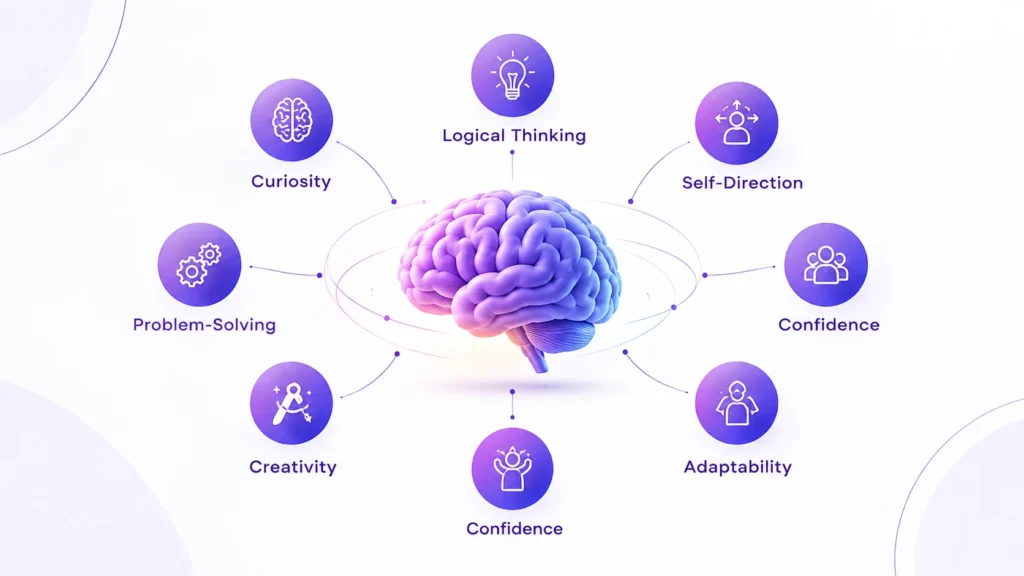
Curiosity
Logical Thinking
Self-Direction
Problem-Solving
Creativity
Confidence
Adaptability
It also recognises individual learning needs and seeks to bring out the hidden potential and talents of every child.
The Power of Happy Learning
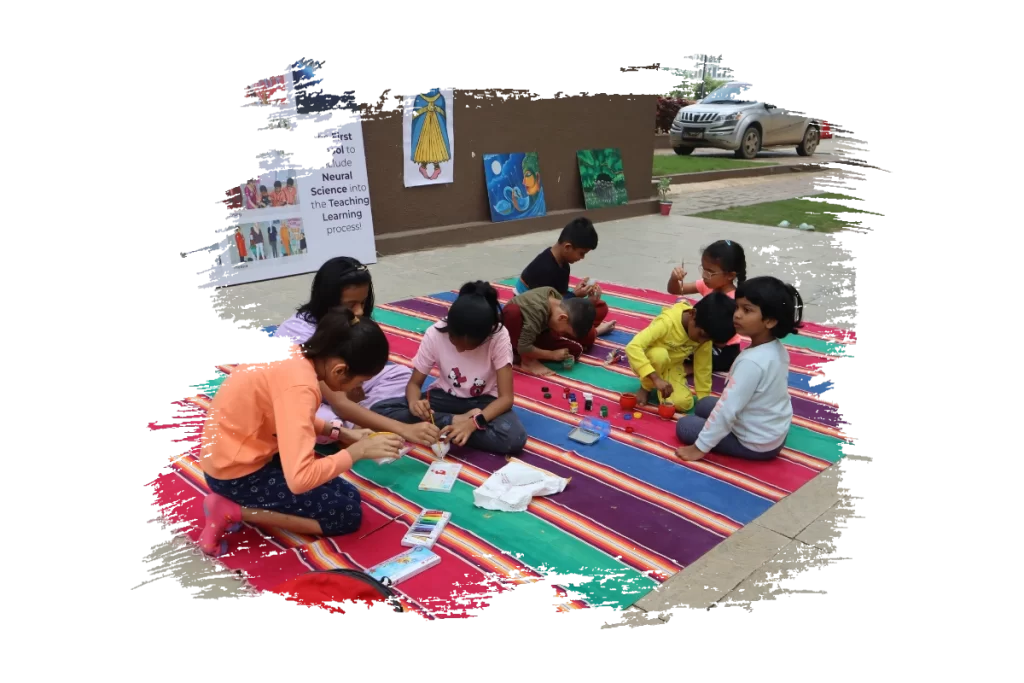
A positive emotional environment plays an important role in learning. Neural Education incorporates joyful learning experiences, movement, brain breaks, collaboration and reflection to help create a relaxed and receptive learning environment.
At VVP, the emphasis is on making learning engaging, purposeful and enjoyable, while helping students develop self-discipline and confidence.
Co-Creating the Learning Experience
Neural Education shifts the classroom from a teacher-centric model towards co-creation and self-directed learning.
Students are encouraged to:
- Ask questions and explore possibilities
- Learn through trial and error
- Connect concepts with everyday experiences
- Reflect and revise their thinking
- Discover their individual strengths
- Take greater ownership of their learning
This enables learners to become more independent, curious and confident in the way they approach knowledge.
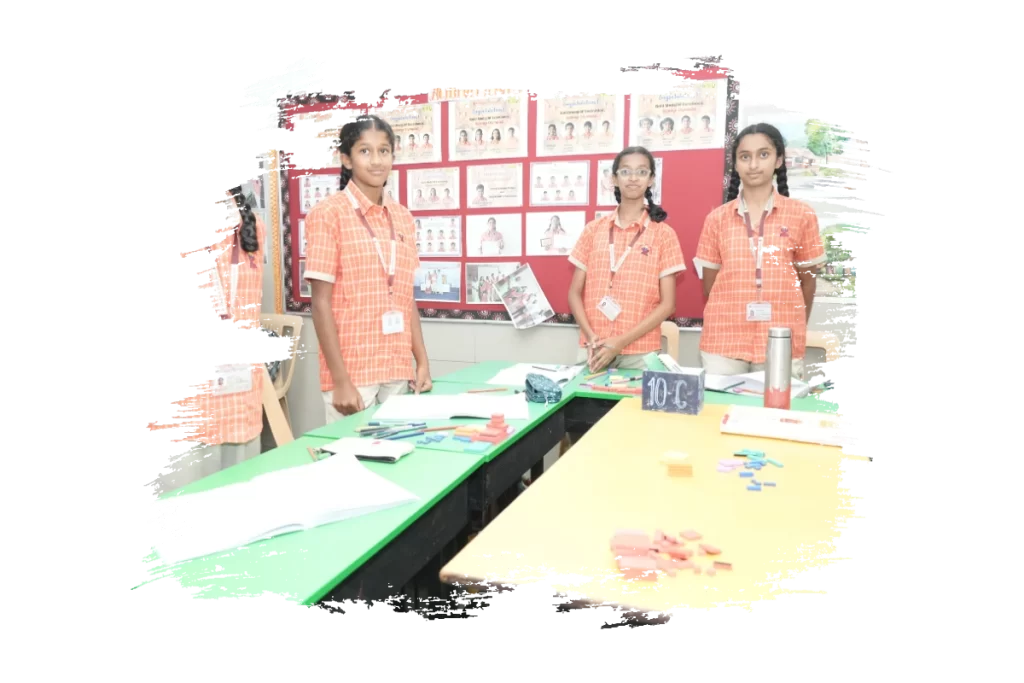
A Brain-Friendly Approach to Education
Neural Education at Vishwa Vidyapeeth is ultimately about one fundamental belief:
When we understand how a child learns, we can create better ways for that child to learn.
By bringing together brain science, joyful learning, inquiry and student agency, VVP strives to create an environment where every learner has the opportunity to understand deeply, learn meaningfully and unlock their potential.
Neural Education - Understand the brain. Inspire the learner. Unlock the potential.
NCC & Defence Readiness
Discipline. Leadership. Patriotism. Readiness.
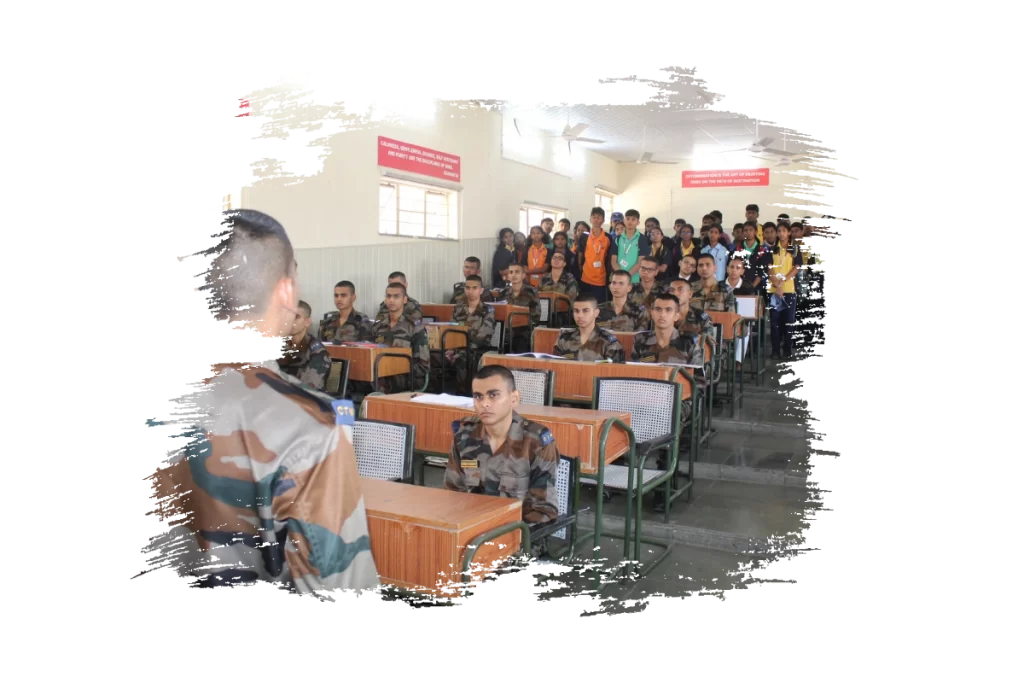
At Vishwa Vidyapeeth, NCC and Defence Readiness are designed to nurture disciplined, confident and responsible young individuals with a spirit of leadership and national service. Through NCC training, physical fitness, camps, community service and NDA-oriented mentoring, students progressively develop the qualities needed to take on challenges with courage and purpose.
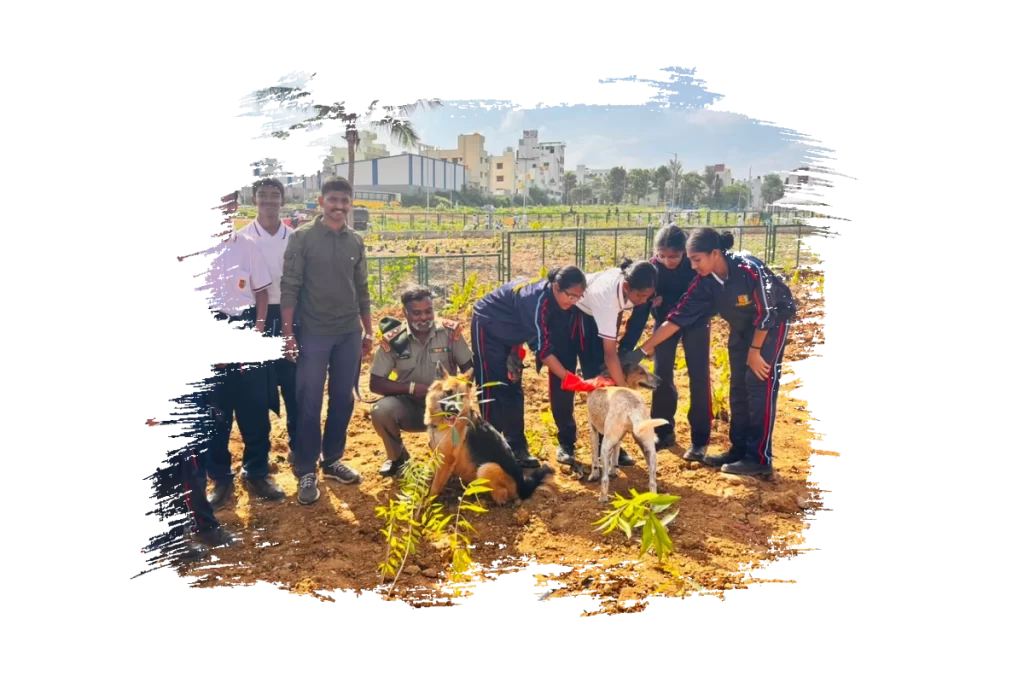
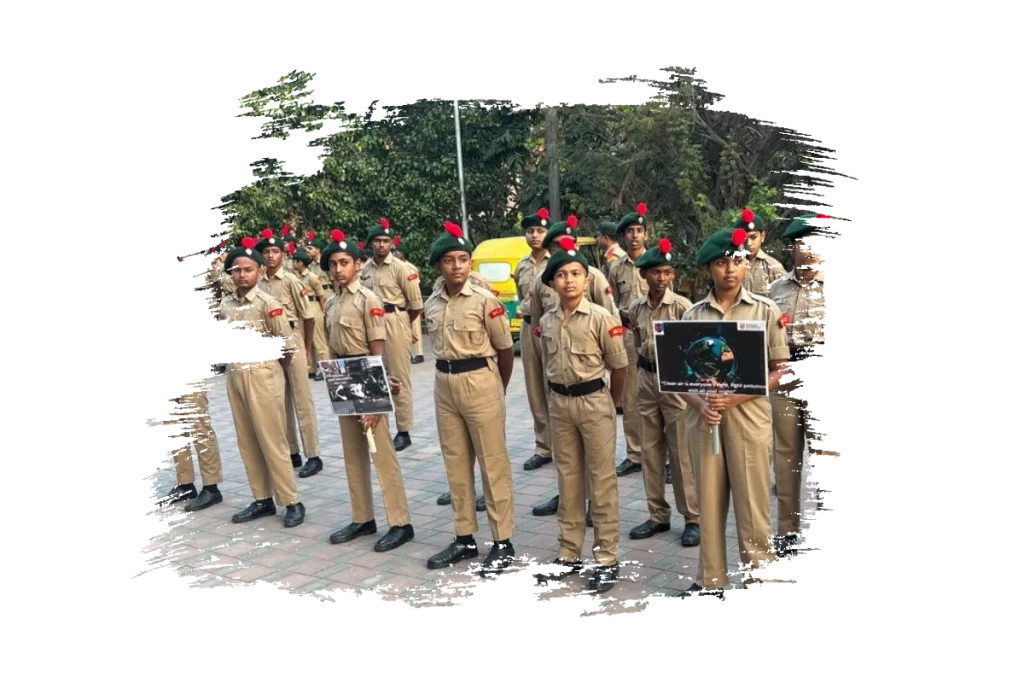
NCC – Building Character Through Cadetship
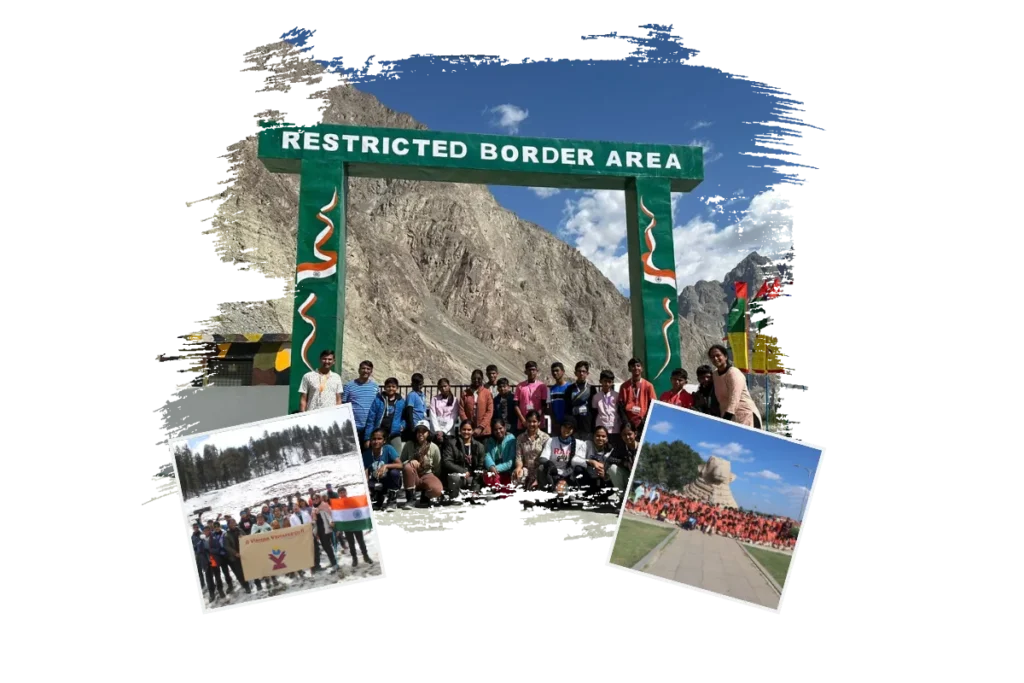
Through NCC 40 KAR Battalion, students experience the values of discipline, teamwork, leadership, physical fitness, patriotism and community service. Regular training and camps provide opportunities to learn responsibility, work as a team, overcome challenges and develop confidence.
NDA Aspirants Programme – A Five-Year Journey
VVP’s NDA Aspirants Programme introduces defence-oriented development from Grade 8 to Grade 12, allowing students to build capabilities progressively rather than relying on short-term examination coaching.
The journey moves through:
Foundation
Development
Consolidation
Intensive
Culmination
Students develop five core capabilities:
- Receptivity – curiosity, listening and willingness to learn
- Teamwork – cooperation, contribution and leadership
- Time Management – planning, prioritisation and pace
- Problem Solving – reasoning, analysis and decision-making
- Communication – listening, articulation, discussion and presentation
Academic learning is complemented by group discussions, extempore speaking, interviews, reasoning activities, leadership tasks, physical training and timed practice.
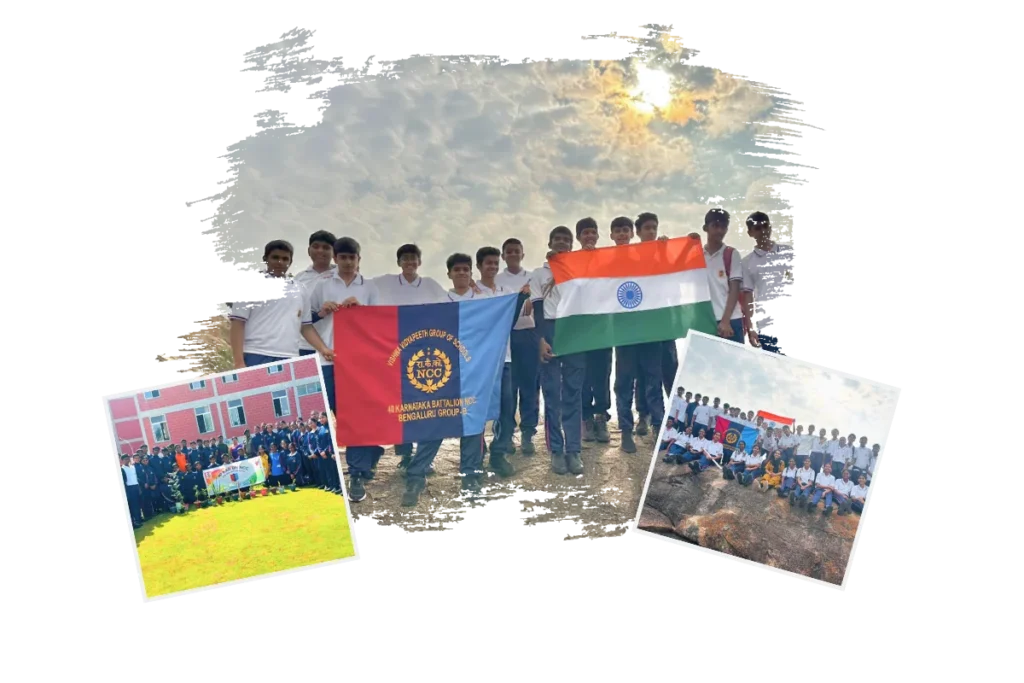
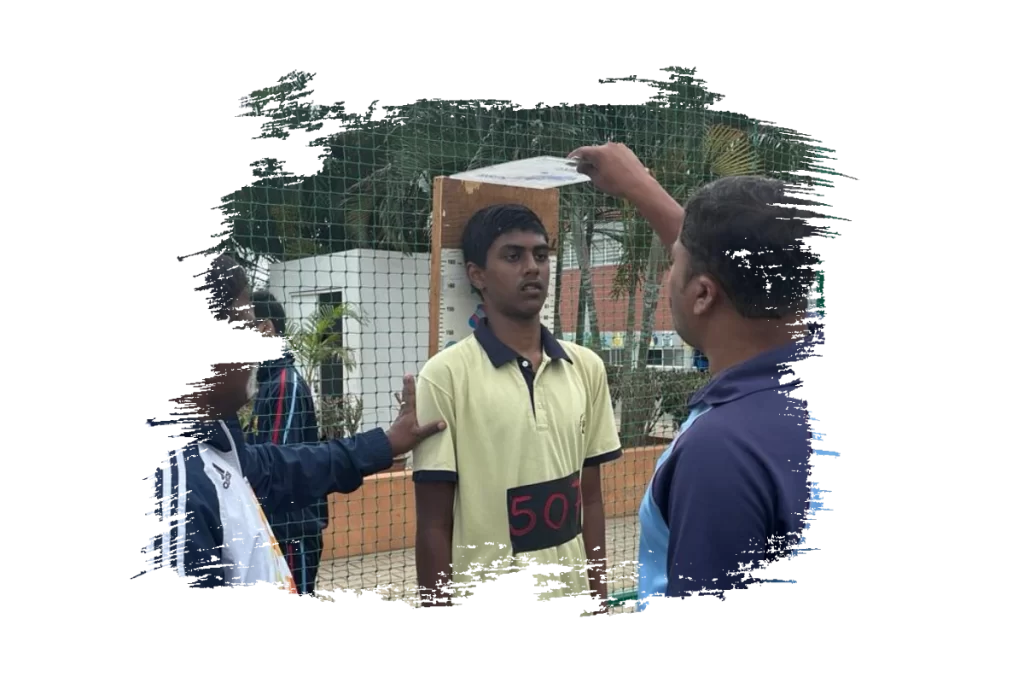
Why Begin in Grade 8?
Defence readiness is built over time. Qualities such as discipline, teamwork, communication, decision-making and resilience become stronger when they are practised repeatedly and developed before students are placed under examination pressure.
- Grades 8–9: Build curiosity, communication, teamwork and learning habits.
- Grade 10: Consolidate capabilities while protecting board examination preparation.
- Grade 11: Apply skills through more intensive NDA-oriented academic and personality development.
- Grade 12: Focus on written examination readiness and SSB-oriented preparation.
The objective is not five years of coaching, but five years of deliberate development.
Preparing for the Future
The programme combines academic readiness, physical fitness, personality development and leadership, with focused NDA written and SSB preparation as students approach Grades 11 and 12.
Even beyond a career in the Armed Forces, the programme seeks to develop qualities that prepare students for responsible citizenship and purposeful leadership.
At VVP, Defence Readiness is not just preparation for an examination—it is preparation for responsibility, leadership and service.
Antariksha Vatika
Space Education
Explore. Experiment. Reach for the Stars.
An immersive space-learning experience that brings astronomy, space science and technology to life.
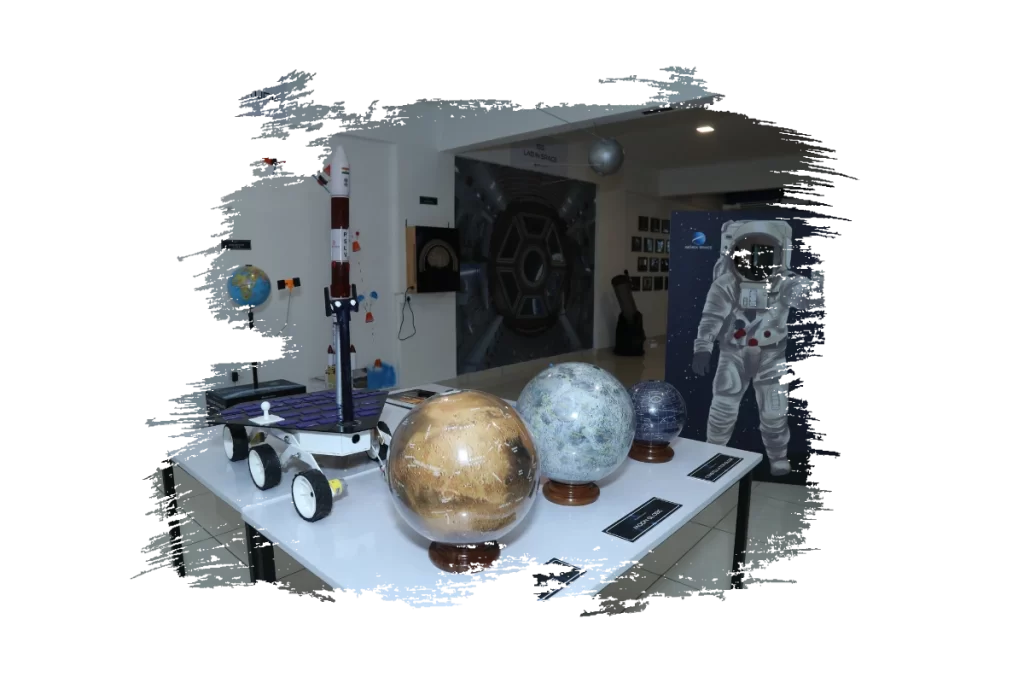
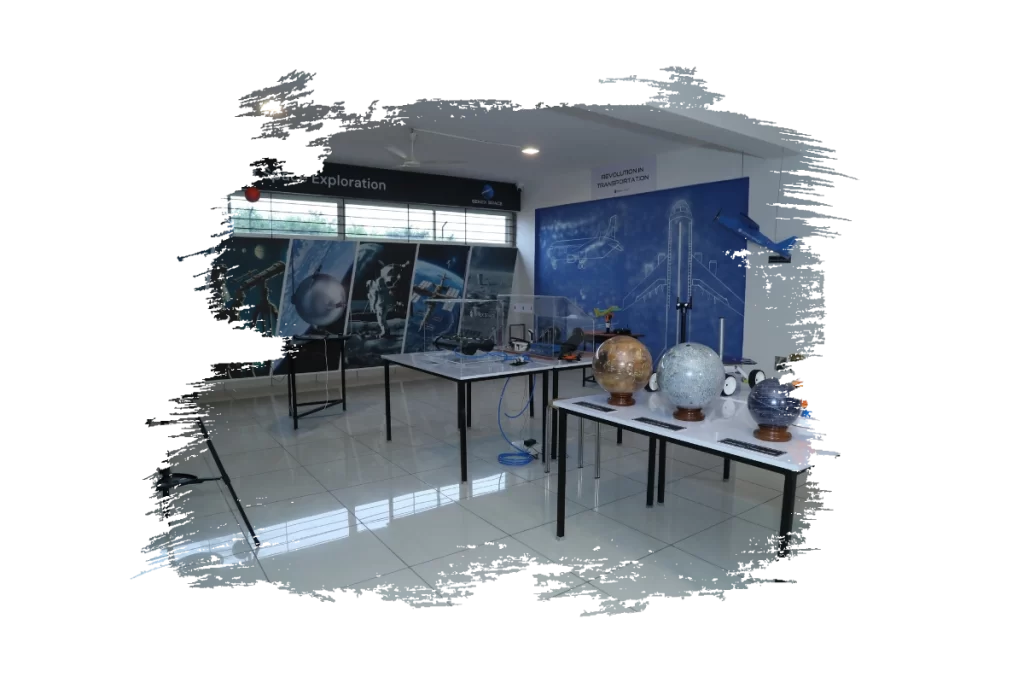
At Vishwa Vidyapeeth, the Nambi Antariksha Space Lab provides students with an interactive environment to explore the wonders of the universe through hands-on activities, experiments and real-world space experiences.
More than a classroom, the Space Lab encourages students to discover, question and experiment, transforming complex scientific concepts into experiences they can see, touch and understand.
A Journey Through Space
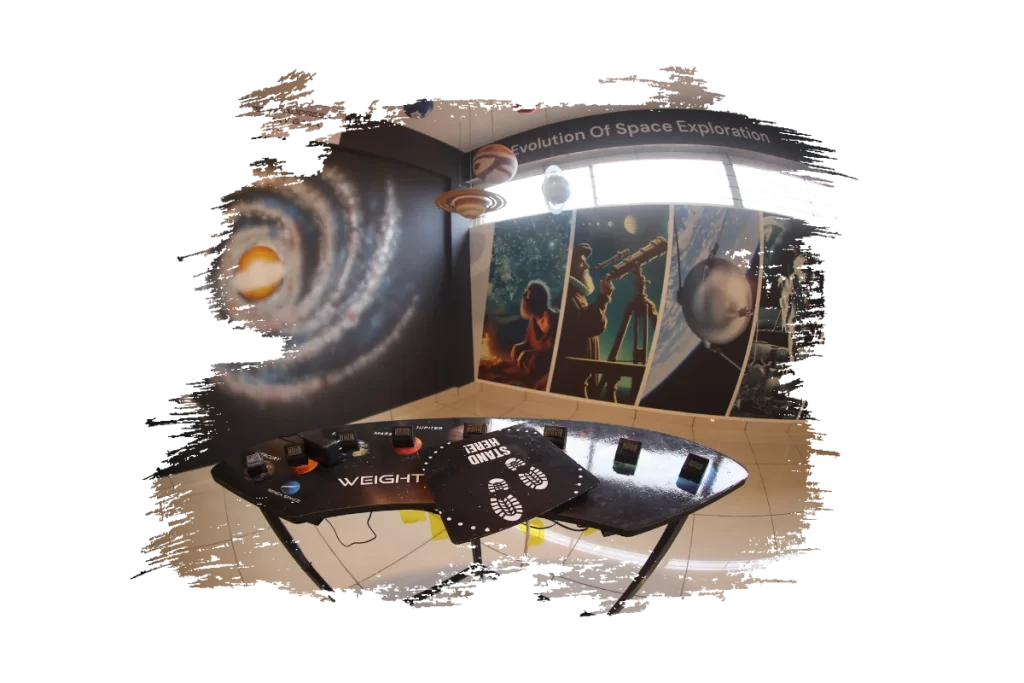
The Space Lab brings space science to life through interactive models, exhibits and DIY learning kits, including:
- Rover and rocket models
- Solar system and satellite models
- Moon, Mars and eclipse exhibits
- Constellation ceiling and Moon wall
- Aditya-L1 satellite model
- Ancient astronomical instruments
- Telescopes and binoculars
- Weight-on-planets and satellite-orbiting exhibits
These experiences help students visualise concepts and develop a deeper understanding of the world beyond Earth.
Learning Beyond the Textbook
Space classes for Grades 1 to 8 combine age-appropriate concepts with practical activities, experiments and demonstrations.
Students explore:
Astronomy & the Night Sky
Solar System
Rockets & Space Missions
Satellites & Space Technology
Planetary Science
Space Exploration
Aircraft & Aerodynamics
The programme develops curiosity, scientific thinking, critical reasoning and problem-solving skills through activity-based learning.
From Building Rockets to Observing the Cosmos
Students get opportunities to participate in hands-on workshops covering telescope making, rocket design and launches, aircraft design, aerodynamics, parachute recovery systems and space exploration technologies.
Regular sky-gazing sessions allow students to observe celestial objects through telescopes and binoculars, turning the night sky into a living science lesson.
The experience extends beyond the lab too. In 2025, students had the opportunity to witness an Indian space launch at Sriharikota, supported by preparatory sessions on rocket science, mission objectives and India’s space programme.
Inspiring the Explorers of Tomorrow
Space Education at Vishwa Vidyapeeth nurtures more than an interest in astronomy. It encourages students to think scientifically, experiment fearlessly and imagine possibilities beyond the familiar.
Through exploration, experimentation and discovery, students develop the curiosity and confidence to look beyond the horizon—and reach for the stars.
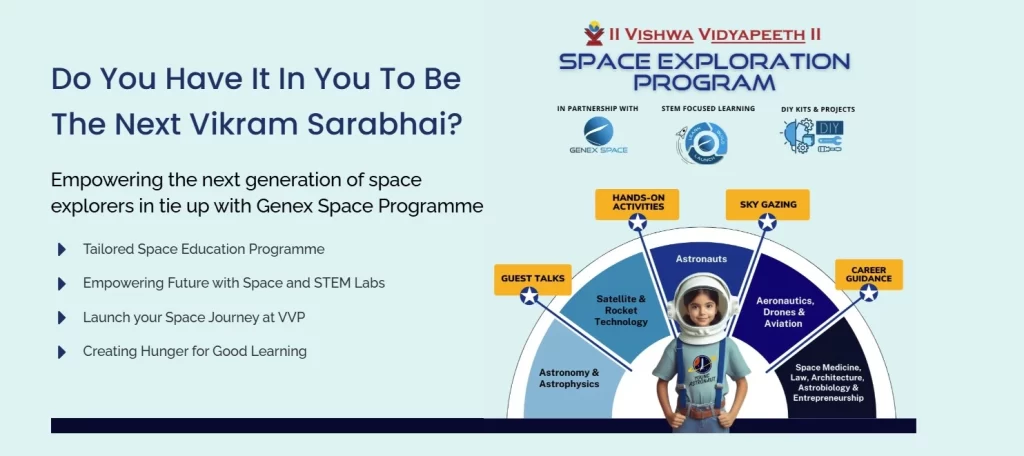
Nambi Antariksha Space Lab - Where curiosity takes flight and the universe
becomes a classroom.
Indian Knowledge System
Rooted in Wisdom. Inspired for the Future.
An integral part of education at Vishwa Vidyapeeth that reconnects students with India’s timeless knowledge, values, traditions and way of life.
At Vishwa Vidyapeeth, the Indian Knowledge System (IKS) is not confined to textbooks or occasional celebrations. It is thoughtfully woven into the learning environment through experiences that connect students with India’s intellectual, cultural, spiritual and practical traditions.
From Bhagavad Gita, Vedic and Upanishadic thought, Sanskrit and shloka learning to Yoga, the Guru-Shishya tradition, heritage experiences, festivals, interactions with seers and experiential programmes, students are encouraged to discover the relevance of India’s knowledge traditions in contemporary life.
The Six Pillars of Indian Knowledge at VVP
1. Bhagavad Gita, Vedas & Upanishads – Wisdom for Purposeful Living
India’s ancient texts offer profound insights into knowledge, ethics, duty, self-discipline and purposeful living. At VVP, students engage with the Bhagavad Gita and elements of India’s Vedic and Upanishadic knowledge traditions in meaningful, age-appropriate ways.
Through learning, reflection and discussion, students explore values such as responsibility, courage, equanimity, self-discipline and right action, helping them connect timeless wisdom with the choices and challenges of everyday life.
2. Sanskrit & Shloka Learning – Connecting with India’s Knowledge Traditions
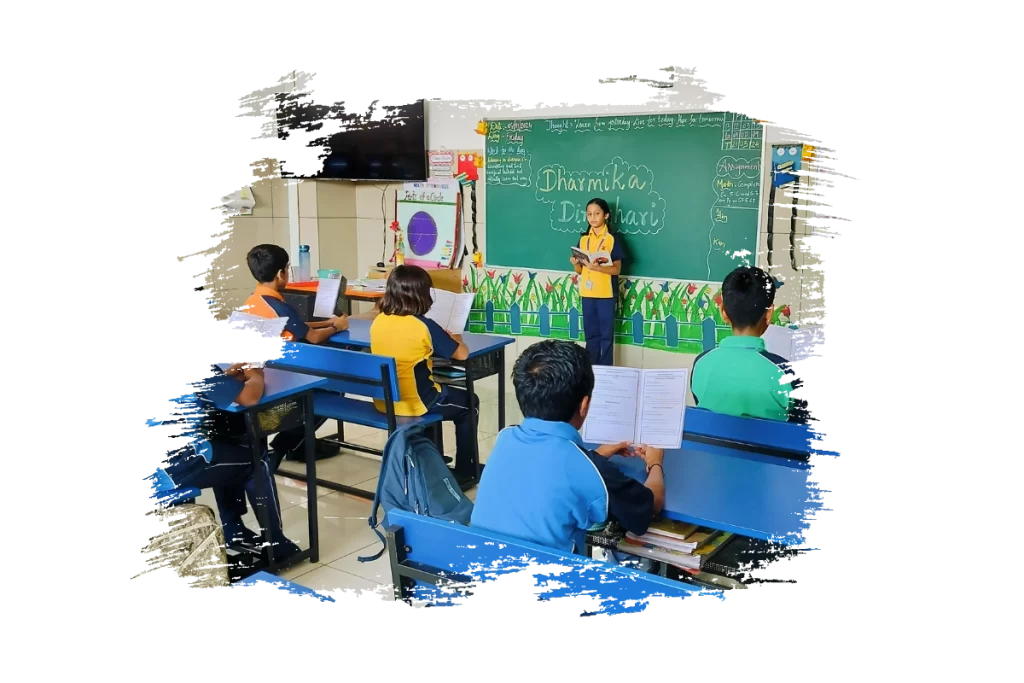
Sanskrit provides an important gateway to India’s vast repository of knowledge. At VVP, students are encouraged to develop an appreciation for the language through Sanskrit learning, shloka chanting and engagement with traditional texts.
The school’s annual Pragnya Pradeepaha, a large-scale inter-school Sanskrit programme, provides students with a platform to celebrate the richness of Sanskrit through a range of activities and competitions while fostering linguistic proficiency, creativity and appreciation of India’s literary heritage.
VVP also places emphasis on Sanskrit learning for teachers, strengthening the wider learning community’s connection with India’s original knowledge traditions.
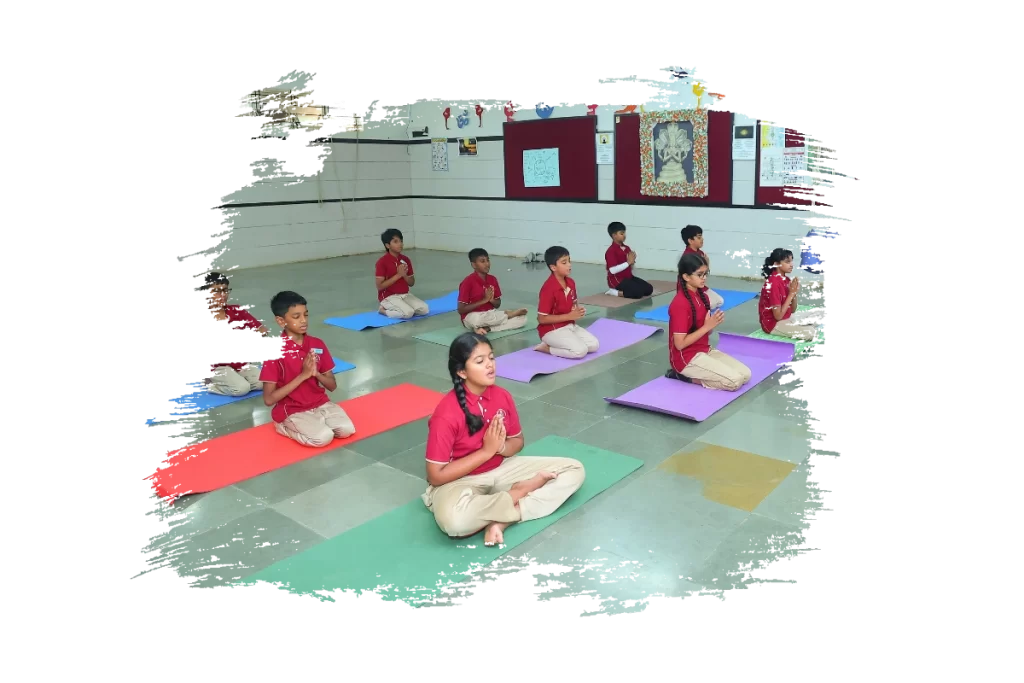
3. Yoga & Well-being – Integrating Mind, Body & Inner Well-being
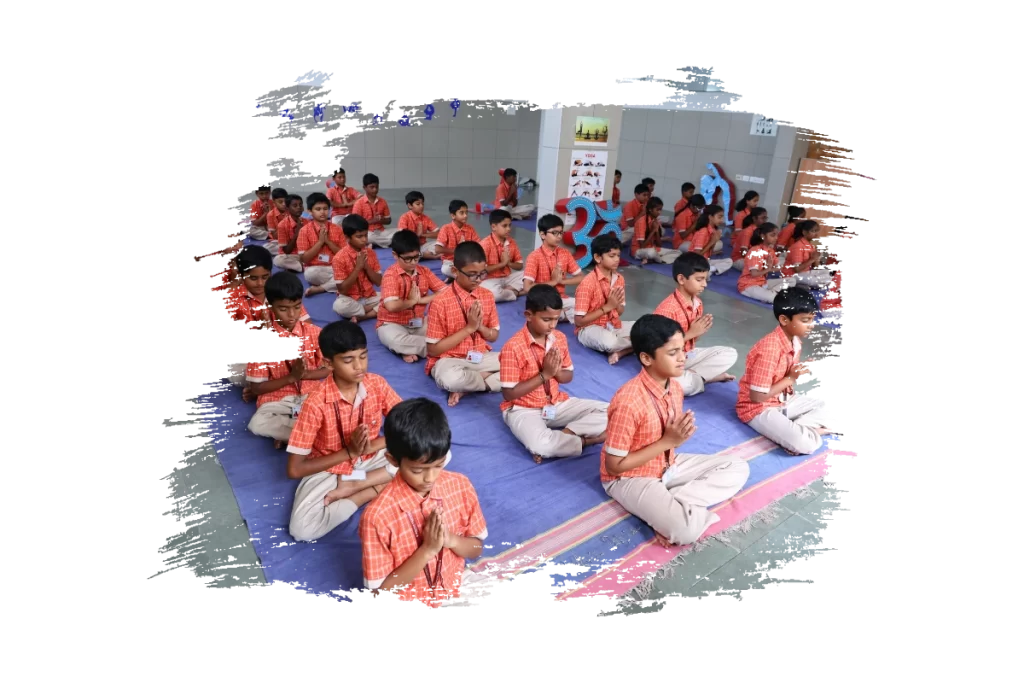
At VVP, Yoga is viewed as more than physical exercise. Through yoga, meditation, mindful practices and disciplined routines, students are encouraged to develop concentration, balance, self-awareness and emotional well-being.
This reflects the Indian understanding of education as a holistic journey that nurtures the body, mind, intellect and inner well-being.
4. Guru-Shishya & Gurukula Tradition – Learning Through Lived Experience
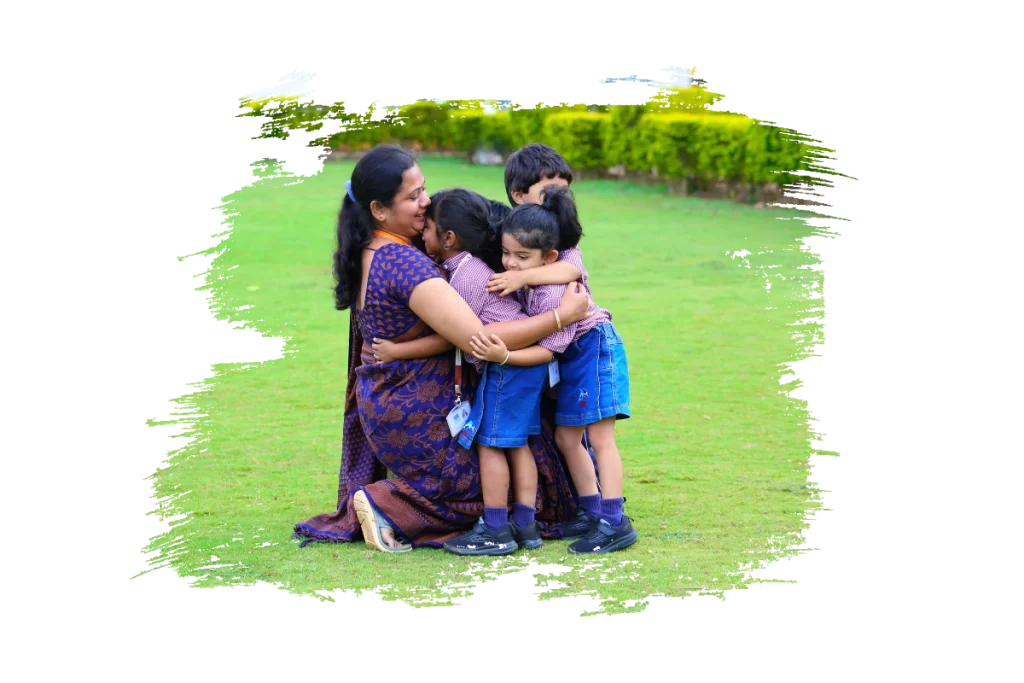
The Guru-Shishya tradition emphasises learning through mentorship, observation, dialogue, discipline and lived experience. VVP brings elements of this approach into contemporary education by creating opportunities for students to learn from teachers, mentors, practitioners, seers and knowledge holders.
Programmes such as Gnanavatika – Back to Gurukula offer students experiences beyond the conventional classroom, encouraging hands-on learning, discipline, respect for the teacher and the application of knowledge in everyday life.
5. Indian Heritage & Living Traditions – Experiencing India
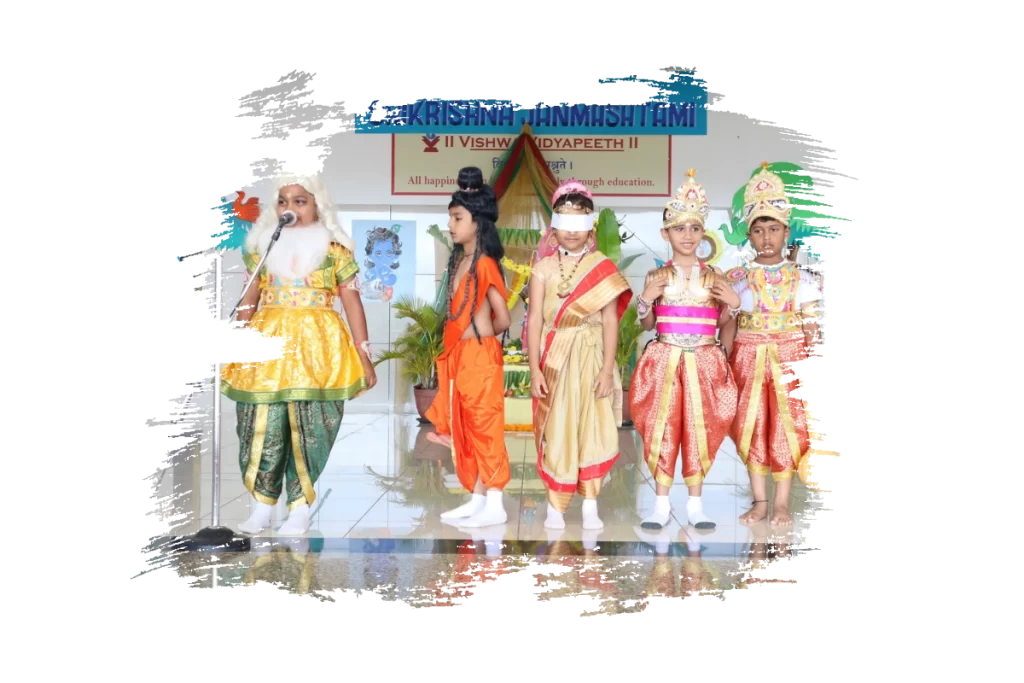
India’s knowledge traditions continue to live through its festivals, heritage, arts, stories, music, customs, traditional practices and community life. At VVP, celebrations and heritage experiences help students understand the significance behind these traditions rather than merely observe them.
Interactions with seers, scholars and traditional knowledge holders further enable students to encounter Indian wisdom through conversations and lived experiences, encouraging them to listen, question, reflect and appreciate diverse perspectives.
6. Indian Knowledge in Practice – Learning Through Experience
At VVP, Indian knowledge becomes meaningful when it is experienced and practised. Programmes such as Gnanavatika, Krishi Vatika and relevant elements of Dasha Prabodha provide opportunities to learn through nature, traditional skills, practical work, community engagement and lived experiences.
From understanding the relationship between soil, food, nature and community to developing practical life skills, responsibility and respect for traditional knowledge, students discover that learning is not merely about acquiring information—it is about doing, experiencing and understanding.
A Living Connection with India’s Knowledge Traditions
Across the school year, IKS comes alive through Bhagavad Gita learning, Sanskrit and shloka practices, Yoga, festivals and celebrations, heritage experiences, interactions with seers and experiential programmes.
These experiences encourage students to develop self-awareness, discipline, respect, cultural rootedness, ethical thinking and a sense of responsibility—values that remain relevant across generations.
Rooted in India. Ready for the World.
The Indian Knowledge System at Vishwa Vidyapeeth is about creating a strong foundation of identity, values, wisdom and belonging, while preparing students to engage confidently with a changing world.
It enables them to learn from the wisdom of the past, understand its relevance in the present and carry its enduring values into the future.