- Phone : +91 7022009757
- Email : enquiry@vishwavidyapeeth.edu.in
- Work Hours : Mon - Fri : 9:00 am to 3:00 pm

- Register Form
- Admission Form
- Contact Us
Contact
- Hotline 1280-0821
- 1810 Campus Way NE Arizon
- +(62) 800-567-8990
- arizon@domain.com
Social Media
Curriculum Pedagogy
Leading the way in India by embedding Neural Science into the heart of teaching and learning.
One of the First Schools in India to include Neural Science into the Teaching Learning Process
Neural Education with CMM
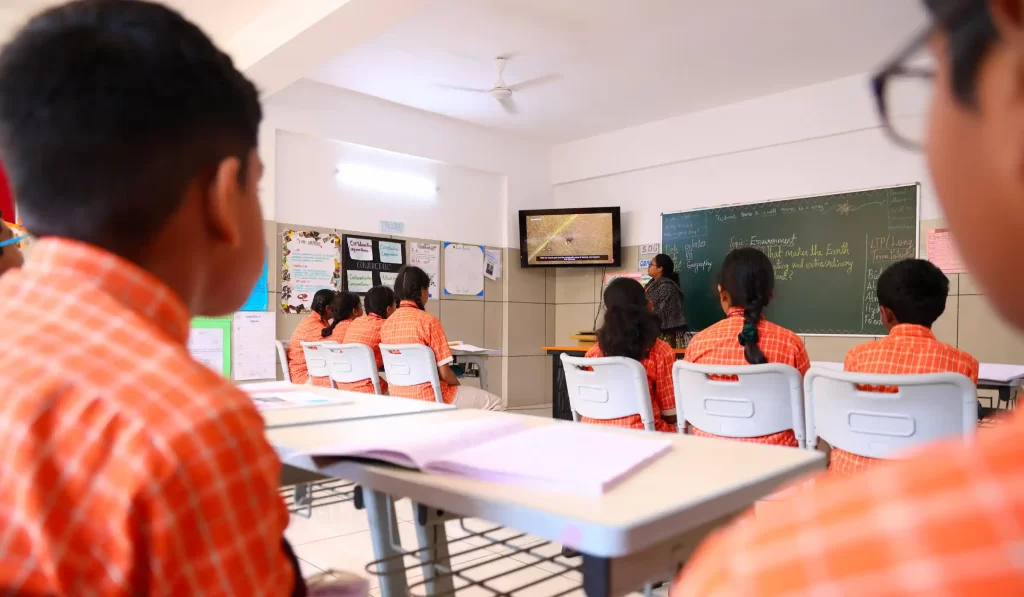
Neural Methodology combines brain-based learning with a student-centric approach to create a safe and engaging environment that fosters independent, meaningful learning. It draws on neurological insights – such as the roles of the amygdala in emotional regulation, Broca’s area in language production, and Wernicke’s area in comprehension – to support both motivation and cognitive development. Implemented through the Challenge Mosaic Model (CMM), this approach includes experiential learning, reflective activities, creative assignments, and co-learning opportunities. The ultimate goal is UBD – Understanding Big Ideas – ensuring students not only grasp core concepts but also grow personally through improved retention, engagement, and self-expression.
Experiential Learning
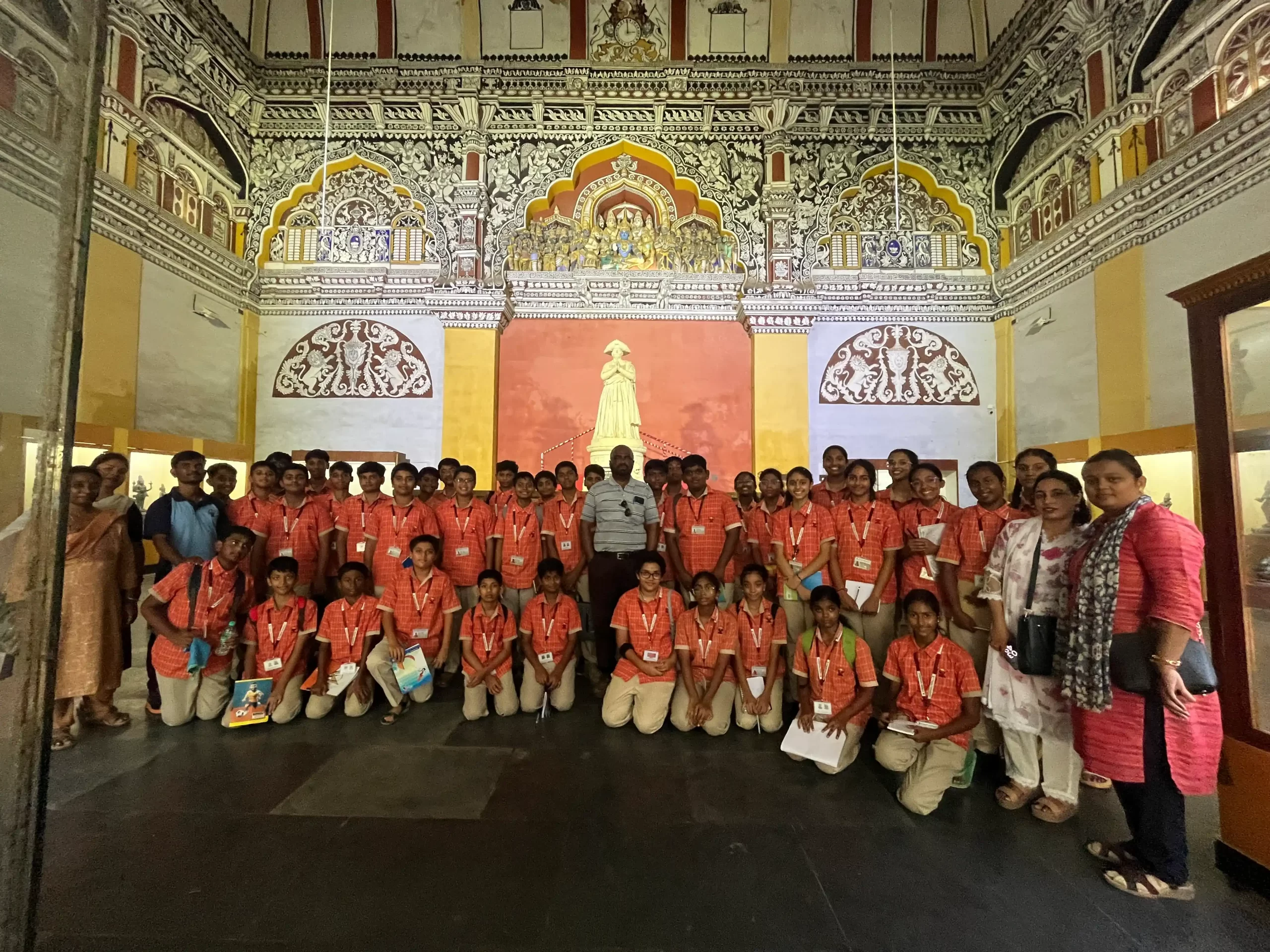
Our experiential learning program is built on the belief that students learn best through active, meaningful engagement. It offers opportunities to explore, experiment, and reflect—transforming education into a dynamic, hands-on process that fosters deeper understanding and real-world connections.
Project-Based Learning
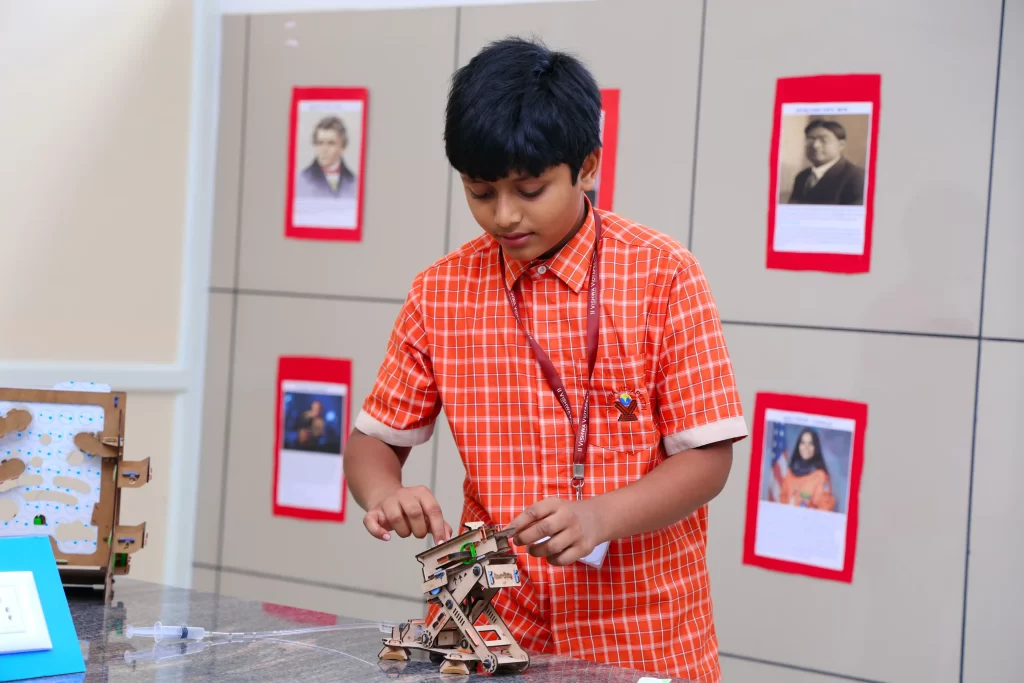
Students actively participate in collaborative projects that tackle real-world challenges, promoting teamwork, creativity, and problem-solving skills. These projects help them connect classroom learning with everyday life. Regular field trips and outdoor education complement their studies by providing opportunities to engage with nature, experience diverse cultures, and develop a deeper environmental awareness. Our state-of-the-art laboratories offer a safe and stimulating space for hands-on experiments, allowing students to explore scientific concepts firsthand and fostering curiosity and innovation.
Community Service
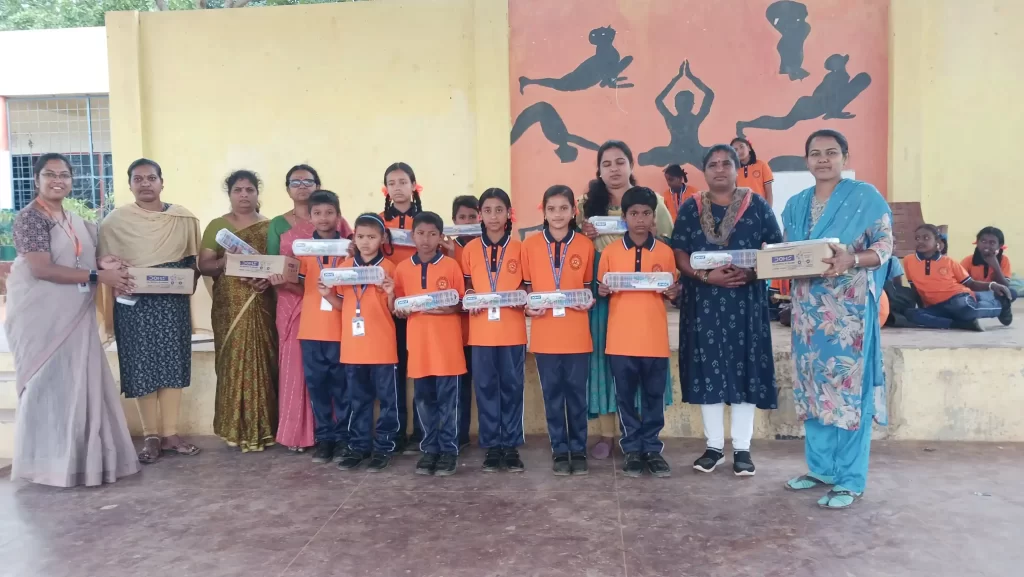
Students engage in community service projects that foster responsibility, empathy, and social skills, helping them appreciate the value of contributing to society. Internships and work experiences offer practical insights into different career paths, preparing them for the future workforce. Overall, experiential learning enhances retention, sharpens critical thinking, promotes problem-solving through diverse approaches, and motivates students by connecting their studies to real-world applications, supporting holistic development.
Peer Learning
Peer learning is an educational approach where students take on teaching roles to support and guide their classmates. This collaborative method encourages active participation and deepens understanding for both the peer teachers and learners. Integrated across various subjects – from Mathematics and Science to Languages and Social Studies – peer teachers receive training to ensure effective guidance. Regular sessions are held within the classroom, with continuous feedback collected to enhance the process.
Peer learning not only reinforces subject knowledge but also develops vital skills like communication, leadership, and teamwork. It builds student confidence by giving them responsibility for teaching others, making learning more relatable and engaging. This approach has led to improved academic performance, bridged proficiency gaps, and boosted conversational fluency, benefiting all participants.
Flipped Learning
Flipped learning is a progressive educational approach defined by the principle of “learning first, teaching second.” Unlike traditional methods, students acquire essential knowledge before class, which allows classroom time to be devoted to higher-order thinking activities. Through interactive discussions, problem-solving, and collaborative tasks, students deepen their understanding and effectively apply what they’ve learned. During class, teachers facilitate active learning by guiding students in clarifying concepts and applying knowledge in meaningful ways.
This approach aims to make learning more engaging and impactful by encouraging students to connect theory with practical, real-life experiences. Activities such as storytelling, role-plays, debates, quizzes, and group presentations enhance comprehension and foster intellectual, physical, emotional, social, and ethical growth.
Flipped learning also prepares students to approach learning from a multidisciplinary perspective, promoting critical analysis and research skills. It builds confidence, communication abilities, and public speaking skills—key competencies for success in the 21st century.
Ultimately, flipped learning serves as an effective strategy for nurturing each student’s potential and guiding them toward future academic research and professional endeavors.
Discovery Based Learning
This method follows an Inquiry-Based Instruction approach, highlighting that students learn best through active exploration and discovery. It encourages learners to engage deeply in the learning process instead of passively receiving information. Students draw upon their prior knowledge and experiences, using intuition, imagination, and creativity to acquire new understanding. They are motivated to seek out information, make connections, and uncover new insights. Within this environment, students take the lead in finding answers and solutions, while teachers act as facilitators and guides throughout their learning journey.
Seed 2 Sapling
With the guidance of the S2S team, our goal is to cultivate a vibrant, joyful, and experiential learning environment where children are inspired to actively engage and become creators of knowledge rather than passive consumers. Our approach emphasizes not only intellectual growth but also emotional well-being and the development of a strong moral foundation.
Space Exploration
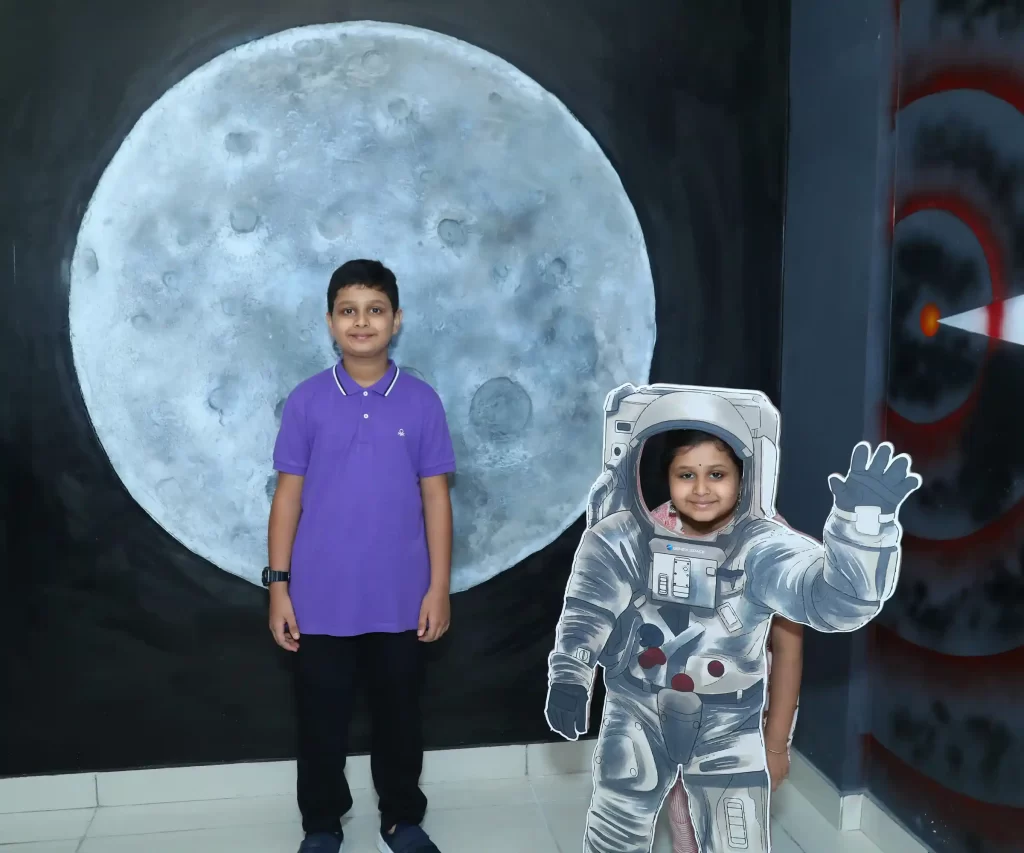
With the support of Genex Space, our students are inspired to delve into the fascinating world of space science. In the specially curated Space Lab at VVP, created in collaboration with Genex Space, students explore engaging topics such as the solar system, astronauts, the International Space Station, parts of a rocket, space farming, and more.
As part of this immersive learning experience, students also had the exciting opportunity to participate in stargazing and solar observation sessions using high-quality telescopes—sparking curiosity and a deeper understanding of the universe.
Sports Integration
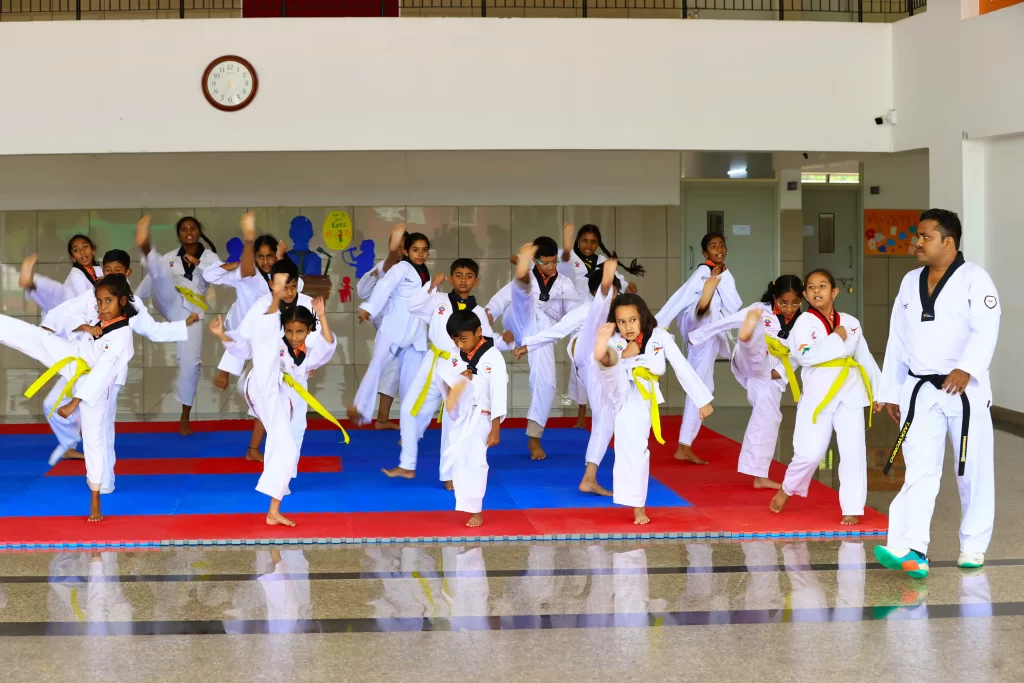
Sports integration helps connect subjects like Physics and Mathematics with physical activities, making complex concepts more engaging and easier to understand.
Arts Integration
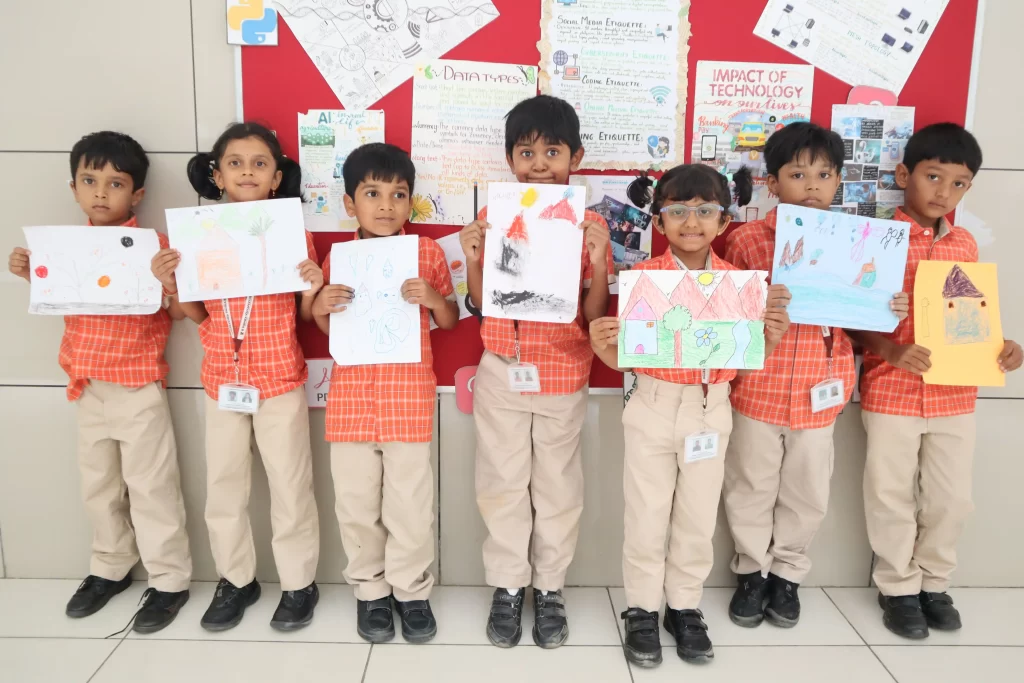
Through art integration, various forms of art—such as music, dance, drama, and visual arts—are used as effective tools to teach complex academic concepts. This approach not only simplifies difficult topics but also enhances student engagement, creativity, and retention. Art integration encourages active learning, fosters critical thinking, supports diverse learning styles, and helps students make deeper, more meaningful connections across subjects.
Story telling as pedagogy
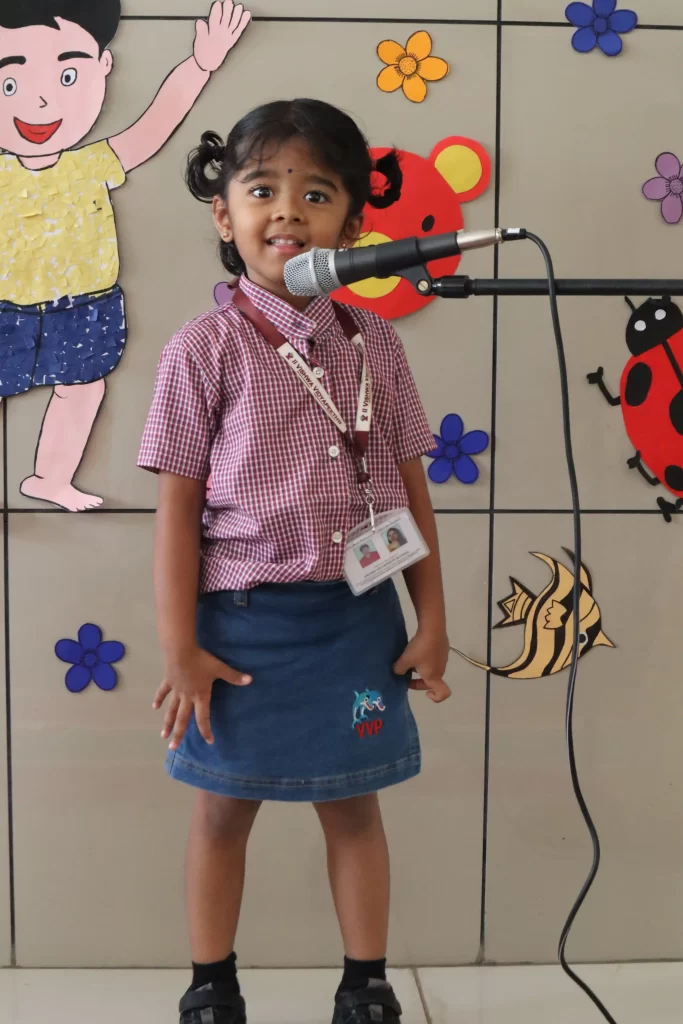
Storytelling captures students’ interest and keeps them actively engaged. It transforms abstract concepts into relatable narratives, making lessons more enjoyable and memorable.Concepts taught through stories are easier to recall because they are connected to emotions, imagery, and sequence—helping learners remember information for longer periods.
Trans-disciplinary Approach
A trans-disciplinary approach involves integrating concepts and skills from multiple subject areas to explore a central theme or real-world problem. Instead of teaching subjects in isolation, learning is centered around a unifying concept or inquiry, encouraging students to draw connections across disciplines and apply their knowledge in a holistic way.