[vc_row type=\”full_width_content\” full_screen_row_position=\”middle\” column_margin=\”default\” column_direction=\”default\” column_direction_tablet=\”default\” column_direction_phone=\”default\” scene_position=\”center\” top_padding=\”0\” bottom_padding=\”10\” left_padding_desktop=\”150\” right_padding_desktop=\”150\” text_color=\”dark\” text_align=\”left\” row_border_radius=\”none\” row_border_radius_applies=\”bg\” overflow=\”visible\” overlay_strength=\”0.3\” gradient_direction=\”left_to_right\” shape_divider_position=\”bottom\” bg_image_animation=\”none\” gradient_type=\”default\” shape_type=\”\”][vc_column column_padding=\”no-extra-padding\” column_padding_tablet=\”inherit\” column_padding_phone=\”inherit\” column_padding_position=\”all\” column_element_direction_desktop=\”default\” column_element_spacing=\”default\” desktop_text_alignment=\”default\” tablet_text_alignment=\”default\” phone_text_alignment=\”default\” background_color_opacity=\”1\” background_hover_color_opacity=\”1\” column_backdrop_filter=\”none\” column_shadow=\”none\” column_border_radius=\”none\” column_link_target=\”_self\” column_position=\”default\” gradient_direction=\”left_to_right\” overlay_strength=\”0.3\” width=\”1/1\” tablet_width_inherit=\”default\” animation_type=\”default\” bg_image_animation=\”none\” border_type=\”simple\” column_border_width=\”none\” column_border_style=\”solid\” column_padding_type=\”default\” gradient_type=\”default\”][vc_column_text css=\”\” text_direction=\”default\”]In a fast-changing world shaped by technology, constant information flow, and evolving social dynamics, education can no longer be limited to textbooks and examinations alone. Today’s students need more than academic knowledge; they require life skills, emotional intelligence, adaptability, and a strong value system. This is where experiential learning emerges as a powerful and essential approach in modern classrooms—one that is already shaping learning environments in schools committed to holistic, child-centric education like Vishwa Vidyapeeth School.
At its core, experiential learning is about learning by doing. It places students at the heart of the learning process, encouraging them to explore, experiment, reflect, and apply concepts in real-life contexts. More importantly, it helps children grow into confident, responsible, and well-rounded individuals while reducing excessive screen time and promoting meaningful engagement.[/vc_column_text][vc_custom_heading text=\”Understanding the Impact of Excessive Screen Time\” font_container=\”tag:h2|font_size:32|text_align:left|color:%239A0000\” google_fonts=\”font_family:Playfair%20Display%3Aregular%2Citalic%2C700%2C700italic%2C900%2C900italic|font_style:400%20regular%3A400%3Anormal\” css=\”\”][vc_column_text css=\”\” text_direction=\”default\”]With increasing concerns among parents and educators about rising screen exposure, experiential learning offers a healthy and purposeful alternative. Instead of passively consuming information through digital devices, students actively participate in hands-on activities, discussions, collaborative projects, and real-world problem-solving.
Whether it is conducting science experiments, working in teams, engaging in creative arts, or participating in sports, experiential learning keeps children mentally and physically involved. Such experiences ignite curiosity, improve focus, and nurture a genuine love for learning—without over-reliance on screens. Through continuous interaction with peers and teachers, students naturally develop communication skills, teamwork, and self-confidence.[/vc_column_text][vc_custom_heading text=\”Replacing Screens with Experiential Learning Activities\” font_container=\”tag:h2|font_size:32|text_align:left|color:%239A0000\” google_fonts=\”font_family:Playfair%20Display%3Aregular%2Citalic%2C700%2C700italic%2C900%2C900italic|font_style:400%20regular%3A400%3Anormal\” css=\”\”][vc_column_text css=\”\” text_direction=\”default\”]One of the most valuable outcomes of experiential learning is the early development of essential life skills. Activities such as role-plays, debates, presentations, group projects, and simulations allow students to practise decision-making, critical thinking, and problem-solving in a supportive environment.
Collaborative tasks teach children how to listen, express ideas, manage disagreements, and work towards shared goals. These experiences closely mirror real-life situations, equipping students to face future academic, professional, and personal challenges with resilience and confidence.
This approach is a hallmark of progressive institutions, including the Best CBSE School Yelahanka, where experiential learning is thoughtfully woven into everyday classroom practices to support overall development alongside academic excellence.[/vc_column_text][/vc_column][/vc_row][vc_row type=\”full_width_content\” full_screen_row_position=\”middle\” column_margin=\”default\” column_direction=\”default\” column_direction_tablet=\”default\” column_direction_phone=\”default\” scene_position=\”center\” top_padding=\”50\” bottom_padding=\”10\” left_padding_desktop=\”150\” right_padding_desktop=\”150\” text_color=\”dark\” text_align=\”left\” row_border_radius=\”none\” row_border_radius_applies=\”bg\” overflow=\”visible\” overlay_strength=\”0.3\” gradient_direction=\”left_to_right\” shape_divider_position=\”bottom\” bg_image_animation=\”none\” gradient_type=\”default\” shape_type=\”\”][vc_column right_padding_desktop=\”20\” column_element_direction_desktop=\”default\” column_element_spacing=\”default\” desktop_text_alignment=\”default\” tablet_text_alignment=\”default\” phone_text_alignment=\”default\” background_color_opacity=\”1\” background_hover_color_opacity=\”1\” column_backdrop_filter=\”none\” column_shadow=\”none\” column_border_radius=\”none\” column_link_target=\”_self\” column_position=\”default\” gradient_direction=\”left_to_right\” overlay_strength=\”0.3\” width=\”1/2\” tablet_width_inherit=\”default\” animation_type=\”default\” bg_image_animation=\”none\” border_type=\”simple\” column_border_width=\”none\” column_border_style=\”solid\” column_padding_type=\”advanced\” gradient_type=\”default\”][vc_custom_heading text=\”Instilling Values Through Daily Family Practices\” font_container=\”tag:h2|font_size:32|text_align:left|color:%239A0000\” google_fonts=\”font_family:Playfair%20Display%3Aregular%2Citalic%2C700%2C700italic%2C900%2C900italic|font_style:400%20regular%3A400%3Anormal\” css=\”\”][vc_column_text css=\”\” text_direction=\”default\”]Values such as empathy, respect, gratitude, discipline, and responsibility cannot simply be taught—they must be experienced. Experiential learning provides meaningful contexts in which these values are lived and understood.
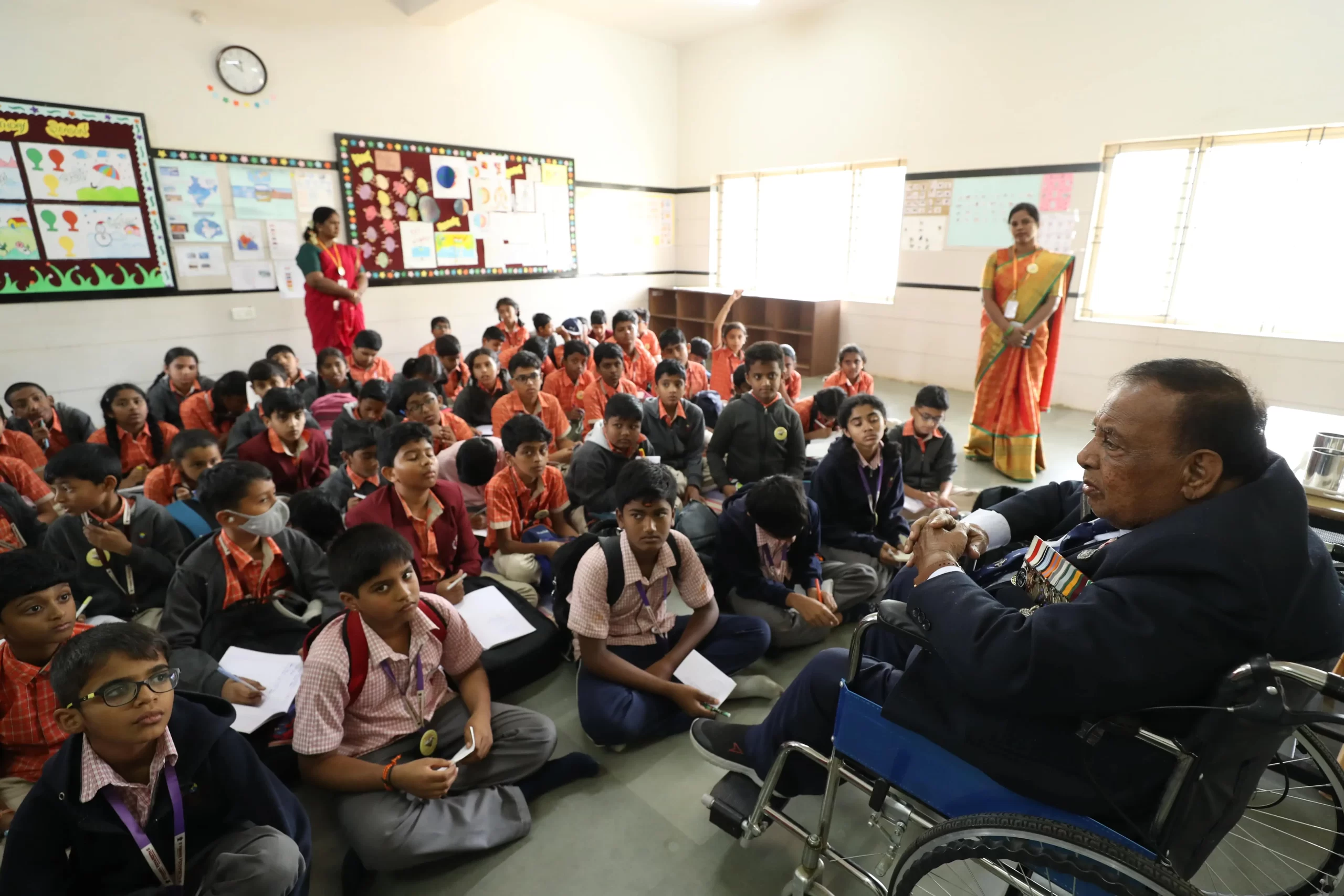
Through daily assemblies, storytelling sessions, classroom discussions, and reflective practices, students are encouraged to think deeply about ethical choices and human values. When children actively participate in activities that emphasise cooperation, fairness, and accountability, these values naturally become part of their behaviour rather than abstract concepts to memorise.
By integrating moral education into daily experiences, schools help students develop strong character and emotional maturity—qualities essential for navigating both personal and social relationships.[/vc_column_text][/vc_column][vc_column column_padding=\”no-extra-padding\” column_padding_tablet=\”inherit\” column_padding_phone=\”inherit\” column_padding_position=\”all\” column_element_direction_desktop=\”default\” column_element_spacing=\”default\” desktop_text_alignment=\”default\” tablet_text_alignment=\”default\” phone_text_alignment=\”default\” background_color_opacity=\”1\” background_hover_color_opacity=\”1\” column_backdrop_filter=\”none\” column_shadow=\”none\” column_border_radius=\”none\” column_link_target=\”_self\” column_position=\”default\” gradient_direction=\”left_to_right\” overlay_strength=\”0.3\” width=\”1/2\” tablet_width_inherit=\”default\” animation_type=\”default\” bg_image_animation=\”none\” border_type=\”simple\” column_border_width=\”none\” column_border_style=\”solid\”][image_with_animation image_url=\”4079\” image_size=\”full\” max_width=\”100%\” max_width_mobile=\”default\” animation_type=\”entrance\” animation=\”None\” animation_movement_type=\”transform_y\” hover_animation=\”none\” alignment=\”\” border_radius=\”none\” box_shadow=\”none\” image_loading=\”default\” margin_top=\”30\”][/vc_column][/vc_row][vc_row type=\”full_width_content\” full_screen_row_position=\”middle\” column_margin=\”default\” column_direction=\”default\” column_direction_tablet=\”default\” column_direction_phone=\”default\” scene_position=\”center\” top_padding=\”50\” bottom_padding=\”10\” left_padding_desktop=\”150\” right_padding_desktop=\”150\” text_color=\”dark\” text_align=\”left\” row_border_radius=\”none\” row_border_radius_applies=\”bg\” overflow=\”visible\” overlay_strength=\”0.3\” gradient_direction=\”left_to_right\” shape_divider_position=\”bottom\” bg_image_animation=\”none\” gradient_type=\”default\” shape_type=\”\”][vc_column column_padding=\”no-extra-padding\” column_padding_tablet=\”inherit\” column_padding_phone=\”inherit\” column_padding_position=\”all\” column_element_direction_desktop=\”default\” column_element_spacing=\”default\” desktop_text_alignment=\”default\” tablet_text_alignment=\”default\” phone_text_alignment=\”default\” background_color_opacity=\”1\” background_hover_color_opacity=\”1\” column_backdrop_filter=\”none\” column_shadow=\”none\” column_border_radius=\”none\” column_link_target=\”_self\” column_position=\”default\” gradient_direction=\”left_to_right\” overlay_strength=\”0.3\” width=\”1/1\” tablet_width_inherit=\”default\” animation_type=\”default\” bg_image_animation=\”none\” border_type=\”simple\” column_border_width=\”none\” column_border_style=\”solid\” column_padding_type=\”default\” gradient_type=\”default\”][vc_custom_heading text=\”Encouraging Participation in Clubs, Sports, and Creative Activities\” font_container=\”tag:h2|font_size:32|text_align:left|color:%239A0000\” google_fonts=\”font_family:Playfair%20Display%3Aregular%2Citalic%2C700%2C700italic%2C900%2C900italic|font_style:400%20regular%3A400%3Anormal\” css=\”\”][vc_column_text css=\”\” text_direction=\”default\”]Beyond the classroom, clubs, events, and co-curricular programmes serve as powerful platforms for experiential learning. Participation in arts, sports, robotics, theatre, public speaking, and cultural activities allows students to explore their interests while building confidence and creativity.
These experiences foster leadership, time management, teamwork, and perseverance. Events and club activities also encourage students to step out of their comfort zones, express themselves freely, and discover their individual strengths in a supportive environment.[/vc_column_text][vc_custom_heading text=\”Teaching Social Responsibility and Community Engagement\” font_container=\”tag:h2|font_size:32|text_align:left|color:%239A0000\” google_fonts=\”font_family:Playfair%20Display%3Aregular%2Citalic%2C700%2C700italic%2C900%2C900italic|font_style:400%20regular%3A400%3Anormal\” css=\”\”][vc_column_text css=\”\” text_direction=\”default\”]Education remains incomplete without a sense of social responsibility. Experiential learning connects students to the world beyond school through community engagement and service-learning initiatives.
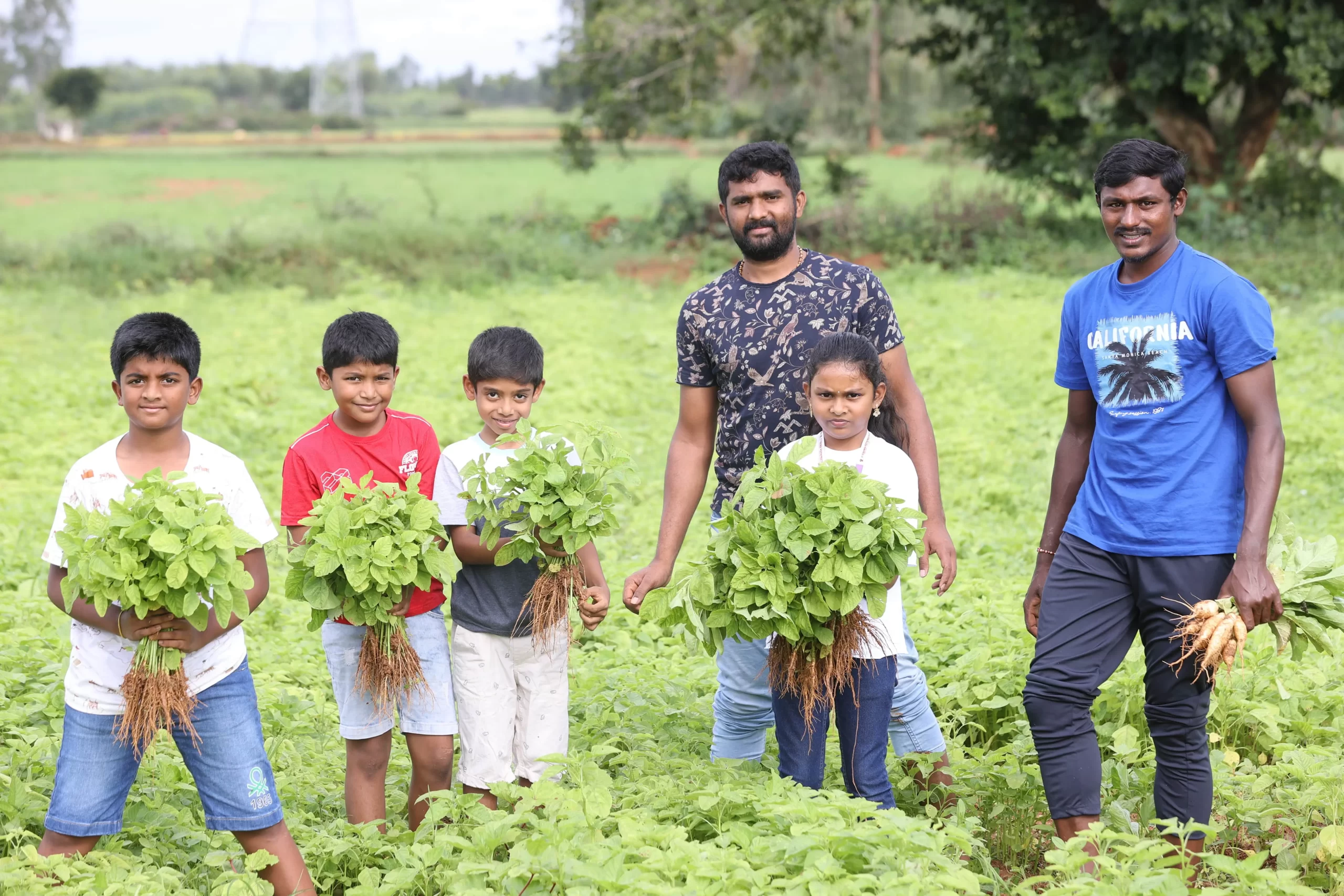
Activities such as environmental drives, charity programmes, awareness campaigns, and food donation initiatives like Annadata Sukhibhava help students understand societal needs and their role as responsible citizens. By participating actively, children develop compassion, gratitude, and a strong civic sense.
These experiences reinforce the idea that learning extends beyond classrooms and that even small actions can create meaningful change in society.[/vc_column_text][/vc_column][/vc_row][vc_row type=\”full_width_content\” full_screen_row_position=\”middle\” column_margin=\”default\” column_direction=\”default\” column_direction_tablet=\”default\” column_direction_phone=\”default\” scene_position=\”center\” top_padding=\”50\” bottom_padding=\”10\” left_padding_desktop=\”150\” right_padding_desktop=\”150\” text_color=\”dark\” text_align=\”left\” row_border_radius=\”none\” row_border_radius_applies=\”bg\” overflow=\”visible\” overlay_strength=\”0.3\” gradient_direction=\”left_to_right\” shape_divider_position=\”bottom\” bg_image_animation=\”none\” gradient_type=\”default\” shape_type=\”\”][vc_column column_padding=\”no-extra-padding\” column_padding_tablet=\”inherit\” column_padding_phone=\”inherit\” column_padding_position=\”all\” column_element_direction_desktop=\”default\” column_element_spacing=\”default\” desktop_text_alignment=\”default\” tablet_text_alignment=\”default\” phone_text_alignment=\”default\” background_color_opacity=\”1\” background_hover_color_opacity=\”1\” column_backdrop_filter=\”none\” column_shadow=\”none\” column_border_radius=\”none\” column_link_target=\”_self\” column_position=\”default\” gradient_direction=\”left_to_right\” overlay_strength=\”0.3\” width=\”1/2\” tablet_width_inherit=\”default\” animation_type=\”default\” bg_image_animation=\”none\” border_type=\”simple\” column_border_width=\”none\” column_border_style=\”solid\” column_padding_type=\”default\” gradient_type=\”default\”][image_with_animation image_url=\”4084\” image_size=\”full\” max_width=\”100%\” max_width_mobile=\”default\” animation_type=\”entrance\” animation=\”None\” animation_movement_type=\”transform_y\” hover_animation=\”none\” alignment=\”\” border_radius=\”none\” box_shadow=\”none\” image_loading=\”default\”][/vc_column][vc_column left_padding_desktop=\”20\” column_element_direction_desktop=\”default\” column_element_spacing=\”default\” desktop_text_alignment=\”default\” tablet_text_alignment=\”default\” phone_text_alignment=\”default\” background_color_opacity=\”1\” background_hover_color_opacity=\”1\” column_backdrop_filter=\”none\” column_shadow=\”none\” column_border_radius=\”none\” column_link_target=\”_self\” column_position=\”default\” gradient_direction=\”left_to_right\” overlay_strength=\”0.3\” width=\”1/2\” tablet_width_inherit=\”default\” animation_type=\”default\” bg_image_animation=\”none\” border_type=\”simple\” column_border_width=\”none\” column_border_style=\”solid\” column_padding_type=\”advanced\” gradient_type=\”default\”][vc_custom_heading text=\”Integrating Life Skills into Everyday Learning\” font_container=\”tag:h2|font_size:32|text_align:left|color:%239A0000\” google_fonts=\”font_family:Playfair%20Display%3Aregular%2Citalic%2C700%2C700italic%2C900%2C900italic|font_style:400%20regular%3A400%3Anormal\” css=\”\”][vc_column_text css=\”\” text_direction=\”default\”]One of the strengths of experiential learning is how seamlessly it integrates with the curriculum. Subjects are designed not only to deliver academic knowledge but also to cultivate practical life skills.
Inquiry-based learning strengthens critical thinking, while hands-on activities introduce basic financial literacy and environmental awareness. Guided discussions around digital etiquette and safety help students navigate the modern world responsibly. This integrated approach makes learning relevant, practical, and aligned with real-life needs.[/vc_column_text][/vc_column][/vc_row][vc_row type=\”full_width_content\” full_screen_row_position=\”middle\” column_margin=\”default\” column_direction=\”default\” column_direction_tablet=\”default\” column_direction_phone=\”default\” scene_position=\”center\” top_padding=\”50\” bottom_padding=\”10\” left_padding_desktop=\”150\” right_padding_desktop=\”150\” text_color=\”dark\” text_align=\”left\” row_border_radius=\”none\” row_border_radius_applies=\”bg\” overflow=\”visible\” overlay_strength=\”0.3\” gradient_direction=\”left_to_right\” shape_divider_position=\”bottom\” bg_image_animation=\”none\” gradient_type=\”default\” shape_type=\”\”][vc_column column_padding=\”no-extra-padding\” column_padding_tablet=\”inherit\” column_padding_phone=\”inherit\” column_padding_position=\”all\” column_element_direction_desktop=\”default\” column_element_spacing=\”default\” desktop_text_alignment=\”default\” tablet_text_alignment=\”default\” phone_text_alignment=\”default\” background_color_opacity=\”1\” background_hover_color_opacity=\”1\” column_backdrop_filter=\”none\” column_shadow=\”none\” column_border_radius=\”none\” column_link_target=\”_self\” column_position=\”default\” gradient_direction=\”left_to_right\” overlay_strength=\”0.3\” width=\”1/1\” tablet_width_inherit=\”default\” animation_type=\”default\” bg_image_animation=\”none\” border_type=\”simple\” column_border_width=\”none\” column_border_style=\”solid\” column_padding_type=\”default\” gradient_type=\”default\”][vc_custom_heading text=\”Supporting Mindfulness and Emotional Well-being\” font_container=\”tag:h2|font_size:32|text_align:left|color:%239A0000\” google_fonts=\”font_family:Playfair%20Display%3Aregular%2Citalic%2C700%2C700italic%2C900%2C900italic|font_style:400%20regular%3A400%3Anormal\” css=\”\”][vc_column_text css=\”\” text_direction=\”default\”]In today’s high-pressure environment, emotional well-being is as important as academic achievement. Experiential learning incorporates mindfulness practices such as yoga, meditation, value circles, and reflective sessions to support students’ mental and emotional health.
These practices help children manage stress, improve concentration, and develop self-awareness. As students learn to recognise and regulate their emotions, they become more empathetic, resilient, and emotionally balanced—skills that serve them throughout life.[/vc_column_text][vc_custom_heading text=\”Providing Leadership Opportunities at Home and School\” font_container=\”tag:h2|font_size:32|text_align:left|color:%239A0000\” google_fonts=\”font_family:Playfair%20Display%3Aregular%2Citalic%2C700%2C700italic%2C900%2C900italic|font_style:400%20regular%3A400%3Anormal\” css=\”\”][vc_column_text css=\”\” text_direction=\”default\”]Leadership is best learned through experience rather than instruction. Experiential learning offers students opportunities to take on real responsibilities through student councils, Model United Nations, classroom roles, and event management.
By organising activities, representing peers, and making decisions, students learn accountability, teamwork, and ethical leadership. These experiences build confidence and prepare them to take initiative both within and beyond the academic setting. Such leadership-driven learning is a defining feature of progressive institutions like the CBSE schools Bangalore North, where experiential education shapes globally aware and socially responsible learners.[/vc_column_text][/vc_column][/vc_row][vc_row type=\”full_width_content\” full_screen_row_position=\”middle\” column_margin=\”default\” column_direction=\”default\” column_direction_tablet=\”default\” column_direction_phone=\”default\” scene_position=\”center\” top_padding=\”50\” bottom_padding=\”10\” left_padding_desktop=\”150\” right_padding_desktop=\”150\” text_color=\”dark\” text_align=\”left\” row_border_radius=\”none\” row_border_radius_applies=\”bg\” overflow=\”visible\” overlay_strength=\”0.3\” gradient_direction=\”left_to_right\” shape_divider_position=\”bottom\” bg_image_animation=\”none\” gradient_type=\”default\” shape_type=\”\”][vc_column right_padding_desktop=\”20\” column_element_direction_desktop=\”default\” column_element_spacing=\”default\” desktop_text_alignment=\”default\” tablet_text_alignment=\”default\” phone_text_alignment=\”default\” background_color_opacity=\”1\” background_hover_color_opacity=\”1\” column_backdrop_filter=\”none\” column_shadow=\”none\” column_border_radius=\”none\” column_link_target=\”_self\” column_position=\”default\” gradient_direction=\”left_to_right\” overlay_strength=\”0.3\” width=\”1/2\” tablet_width_inherit=\”default\” animation_type=\”default\” bg_image_animation=\”none\” border_type=\”simple\” column_border_width=\”none\” column_border_style=\”solid\” column_padding_type=\”advanced\” gradient_type=\”default\”][vc_custom_heading text=\”Experiential Learning Done the Right Way\” font_container=\”tag:h2|font_size:32|text_align:left|color:%239A0000\” google_fonts=\”font_family:Playfair%20Display%3Aregular%2Citalic%2C700%2C700italic%2C900%2C900italic|font_style:400%20regular%3A400%3Anormal\” css=\”\”][vc_column_text css=\”\” text_direction=\”default\”]For experiential learning to be truly effective, it must be purposeful and thoughtfully implemented. Age-appropriate, reflective, and goal-oriented experiences—such as those inspired by Gnanavatika-style learning—ensure long-term impact.
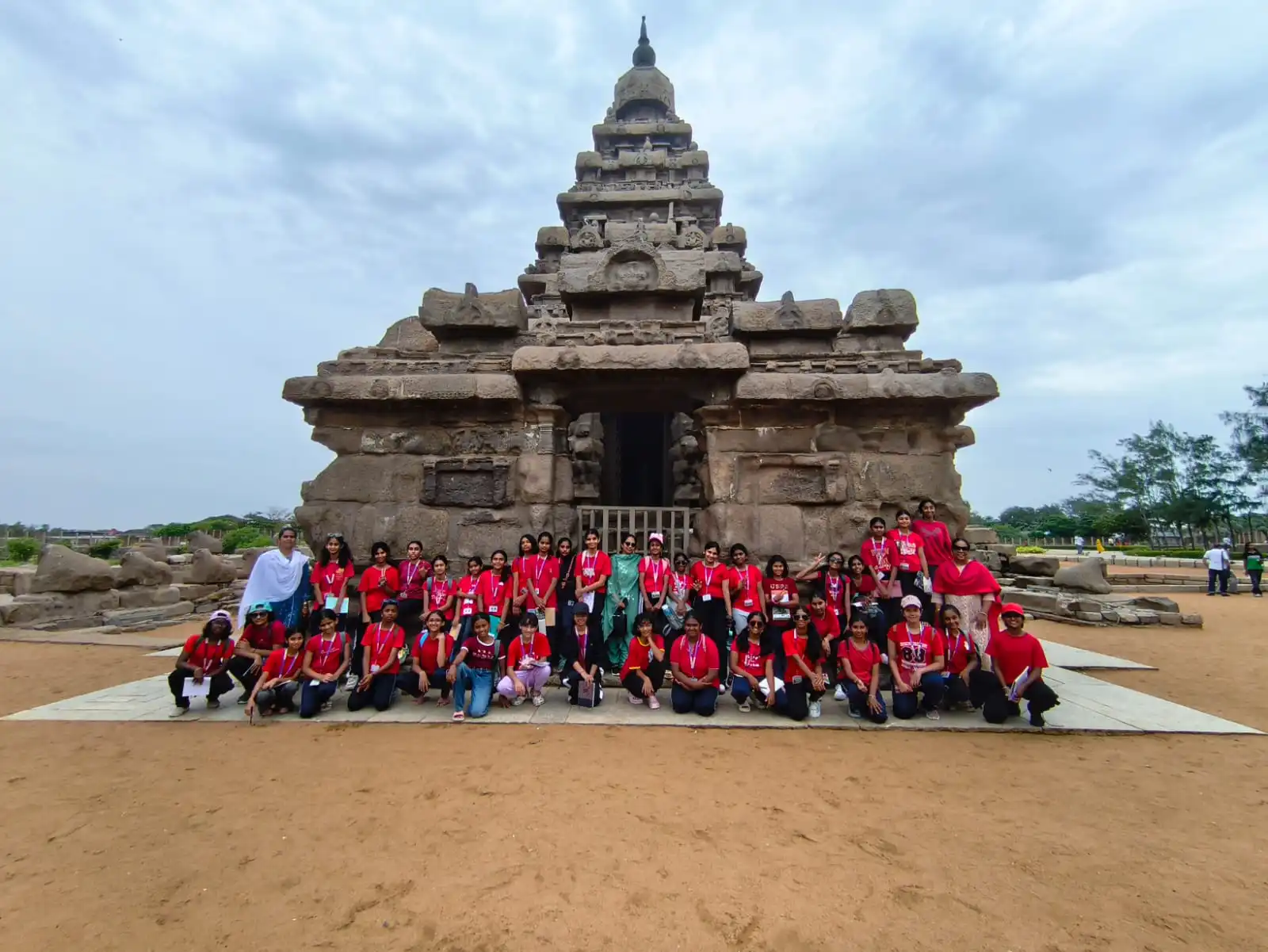
This approach ensures that students are not merely participating in activities, but actively thinking, reflecting, and applying what they learn. The result is confident, curious, compassionate learners who are well-equipped for life beyond school.[/vc_column_text][/vc_column][vc_column column_padding=\”no-extra-padding\” column_padding_tablet=\”inherit\” column_padding_phone=\”inherit\” column_padding_position=\”all\” column_element_direction_desktop=\”default\” column_element_spacing=\”default\” desktop_text_alignment=\”default\” tablet_text_alignment=\”default\” phone_text_alignment=\”default\” background_color_opacity=\”1\” background_hover_color_opacity=\”1\” column_backdrop_filter=\”none\” column_shadow=\”none\” column_border_radius=\”none\” column_link_target=\”_self\” column_position=\”default\” gradient_direction=\”left_to_right\” overlay_strength=\”0.3\” width=\”1/2\” tablet_width_inherit=\”default\” animation_type=\”default\” bg_image_animation=\”none\” border_type=\”simple\” column_border_width=\”none\” column_border_style=\”solid\”][image_with_animation image_url=\”4085\” image_size=\”full\” max_width=\”100%\” max_width_mobile=\”default\” animation_type=\”entrance\” animation=\”None\” animation_movement_type=\”transform_y\” hover_animation=\”none\” alignment=\”\” border_radius=\”none\” box_shadow=\”none\” image_loading=\”default\”][/vc_column][/vc_row][vc_row type=\”full_width_content\” full_screen_row_position=\”middle\” column_margin=\”default\” column_direction=\”default\” column_direction_tablet=\”default\” column_direction_phone=\”default\” scene_position=\”center\” top_padding=\”50\” bottom_padding=\”10\” left_padding_desktop=\”150\” right_padding_desktop=\”150\” text_color=\”dark\” text_align=\”left\” row_border_radius=\”none\” row_border_radius_applies=\”bg\” overflow=\”visible\” overlay_strength=\”0.3\” gradient_direction=\”left_to_right\” shape_divider_position=\”bottom\” bg_image_animation=\”none\” gradient_type=\”default\” shape_type=\”\”][vc_column column_padding=\”no-extra-padding\” column_padding_tablet=\”inherit\” column_padding_phone=\”inherit\” column_padding_position=\”all\” column_element_direction_desktop=\”default\” column_element_spacing=\”default\” desktop_text_alignment=\”default\” tablet_text_alignment=\”default\” phone_text_alignment=\”default\” background_color_opacity=\”1\” background_hover_color_opacity=\”1\” column_backdrop_filter=\”none\” column_shadow=\”none\” column_border_radius=\”none\” column_link_target=\”_self\” column_position=\”default\” gradient_direction=\”left_to_right\” overlay_strength=\”0.3\” width=\”1/1\” tablet_width_inherit=\”default\” animation_type=\”default\” bg_image_animation=\”none\” border_type=\”simple\” column_border_width=\”none\” column_border_style=\”solid\” column_padding_type=\”default\” gradient_type=\”default\”][vc_custom_heading text=\”Conclusion\” font_container=\”tag:h2|font_size:32|text_align:left|color:%239A0000\” google_fonts=\”font_family:Playfair%20Display%3Aregular%2Citalic%2C700%2C700italic%2C900%2C900italic|font_style:700%20bold%20regular%3A700%3Anormal\” css=\”\”][vc_column_text css=\”\” text_direction=\”default\”]Today, experiential learning is more relevant than ever. It transforms classrooms into spaces of discovery, reduces unhealthy screen dependency, and nurtures essential academic and life skills. By grounding education in real-world experiences, values, emotional well-being, and leadership, experiential learning prepares students not just for exams—but for life itself.
By embracing this approach, schools are shaping thoughtful individuals, responsible citizens, and lifelong learners ready to thrive in an ever-changing world—an educational philosophy consistently reflected in the learning environment at Vishwa Vidyapeeth School.[/vc_column_text][/vc_column][/vc_row]