
It is not the board. It is the child.
Schools guide, teachers inspire, and boards shape the path. True learning, however, begins when you pause to notice how your child learns. Before exploring the best IGCSE schools in Bangalore or planning visits to CBSE and ICSE campuses, take a moment to ask yourself a simple question. What helps my child feel understood and excited to learn?
At Vishwa Vidyapeeth, we believe that question shapes everything that happens in the classroom. Whether your child studies under CBSE, ICSE, or IGCSE, our teaching begins with understanding their curiosity, rhythm, and individuality.
For years, parents were told that children are visual, auditory, or kinesthetic learners. Modern education, however, recognises that learning is far more fluid. Research and the Universal Design for Learning framework show that children learn best when they experience information in many ways such as reading, moving, creating, listening, or performing..
The new reforms introduced in top CBSE schools in Bangalore follow the same idea. Competency-based learning, art integration, and project assessment have replaced rigid patterns. Instead of asking which category your child fits into, ask which experiences keep them curious. The answer is usually a blend of many.
Children constantly show us how they learn; we just need to listen differently.
Try a one-week “learning observation.” Offer the same concept in two ways -short video and a hands-on activity and watch what they remember best. Then, instead of correcting their approach, build on it. That recognition alone can boost confidence and cooperation overnight. Once you understand how your child absorbs information, the next step is to choose a learning environment that builds on those strengths.
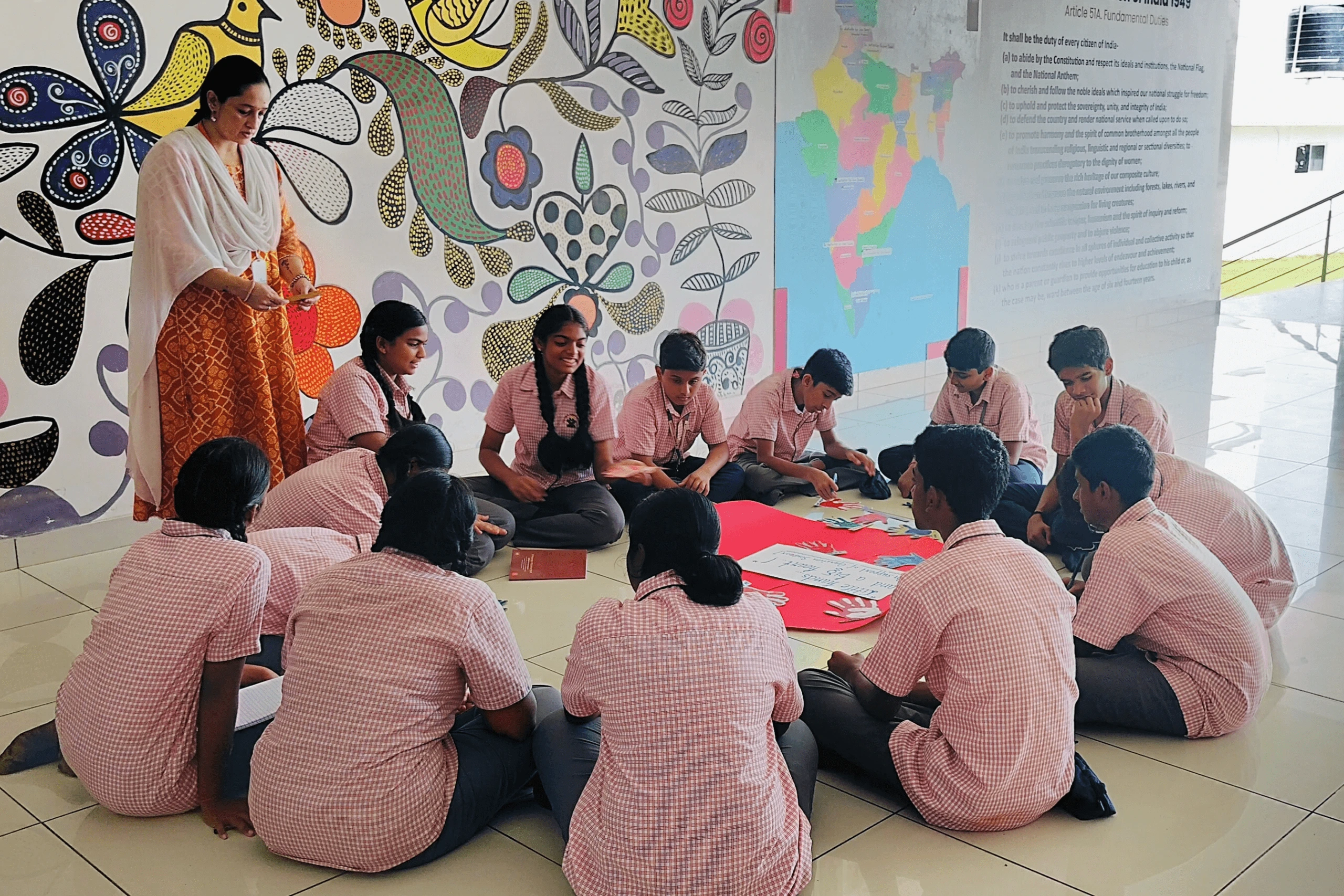
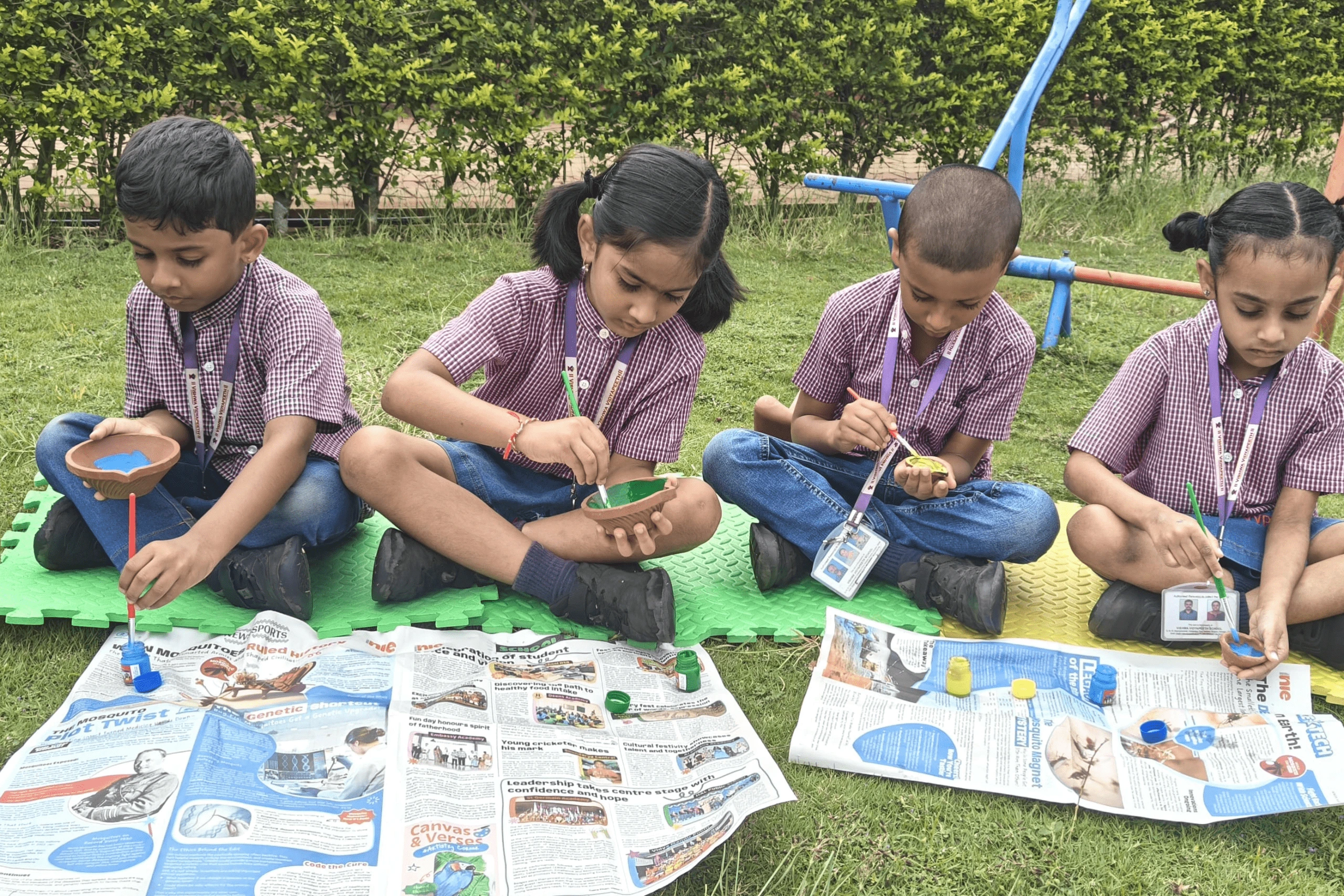
Every curriculum has its own pace and personality. Understanding these differences helps you choose an environment that matches your child’s temperament.
ICSE encourages depth and creativity. It suits children who enjoy reading, research, and detailed expression. Many parents explore top ICSE schools in bangalore when they notice their child loves analysing and imagining.
IGCSE promotes inquiry and reflection. It supports learners who connect ideas across subjects and enjoy discovering how and why things work.
CBSE has evolved from its earlier structure. The 2025 and 2026 changes promote skill application and art integration, making it ideal for children who enjoy order but also need freedom to explore.
At Vishwa Vidyapeeth, we bring these three boards together within one shared philosophy. Our goal is not uniform success but individual growth.
Walk through our classrooms and you will notice something rare, a calm energy that fills the space. Lessons begin with a few minutes of yoga or deep breathing. In English, stories turn into plays; in Science, concepts turn into experiments. Even moral science is experiential, often inspired by the Bhagavad Gita.
This ecosystem works because it’s backed by structure:
Learning here isn’t hurried or one-dimensional; it’s rhythmic, responsive, and deeply human.
We believe that a child learns best when school and home move in sync. Our Parent Engagement Programme (PEP) brings families directly into this rhythm.
Through interactive workshops, Coffee Mornings, and volunteering opportunities, parents become co-learners rather than spectators.
PEP sessions cover everything from raising a confident child and building a growth mindset to managing behaviour and emotions. Parents can:
When home and school reflect each other, learning becomes a shared rhythm, not a checklist.
Every child learns in their own way, and that difference is what makes them special. Lists and comparisons seldom show how deeply a school understands each learner or how it helps them grow with confidence.
Recognised among the top 5 best schools in Bangalore, we at Vishwa Vidyapeeth take pride in our child-first approach. Across our CBSE, ICSE, and IGCSE programs, education begins with empathy. Our Neural Learning Framework, value-based teaching, and Parent Engagement Programme ensure that every child is seen, heard, and supported in ways that reflect their individuality.
Great education is not about choosing the perfect board. It is about helping your child discover their own way to learn and to love learning for life.
WhatsApp us